

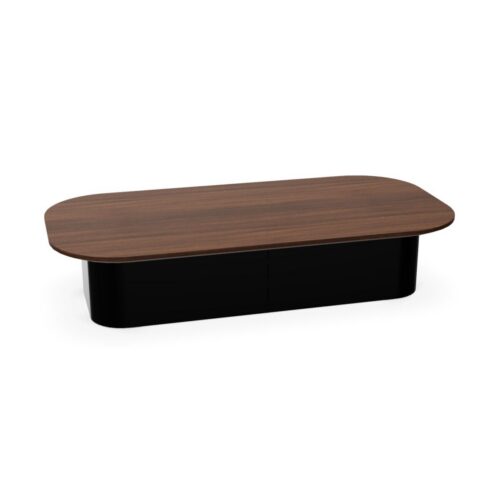
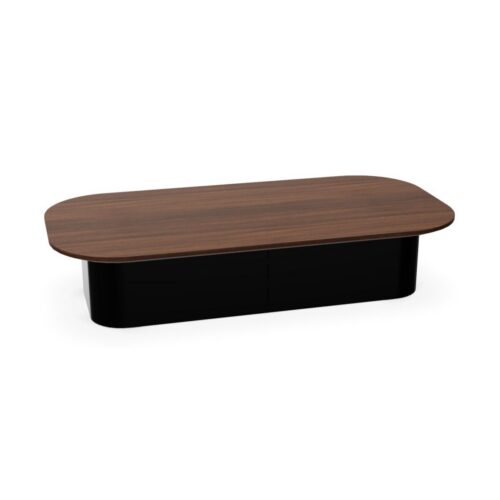
Lounge Furniture With Oval Tops and Melamine Bases

Lounge furniture with oval tops and melamine bases combines a curved, extended tabletop outline with a specified supporting material. In a workplace lounge, this combination invites a deliberate relationship between the table’s longer direction and the surrounding seats. The oval can follow a sofa frontage or sit between chairs arranged along its sides. The melamine base should be assessed separately for its confirmed appearance and position beneath the top.

Use the seating pattern to guide the initial comparison. A table within a visitor waiting area may relate to several independent seats, while one in an informal meeting group may sit between people facing each other. Check those relationships before coordinating finishes. The oval shape does not establish the support arrangement, and the melamine base does not establish the top material. Reviewing each component on its own terms makes the eventual room composition more precise.

7 models
From $19.80 p/m

Use the Oval to Connect the Seating

Identify the seats that form the main group and decide how the table's longer direction should relate to them. Following a sofa frontage is one possible arrangement, but chairs placed at different angles may suggest another. Compare the table with the actual seating pattern instead of using the room's walls as the only reference.

Give the curved ends a deliberate position. They may face the entrance to the group, neighboring chairs, or an open part of the lounge. Check each relationship from the relevant viewpoint so that the oval reads as part of the seating arrangement rather than an isolated object.

Compare Lounge Furniture With Oval Tops and Melamine Bases

The top shape and base material establish two useful attributes, but they leave other decisions open. Confirm the top material and appearance separately from the melamine base. Review the supporting configuration as well, because an oval outline does not identify the number, form, or position of the supports below it.

For lounge furniture with oval tops and melamine bases, examine the visible balance between surface and support. Consider what is seen from the main approach and what remains visible from the seats. Those views can differ, particularly when nearby furniture partly conceals the base.

Evaluate Shared Use From Different Positions

Think through ordinary situations within the intended lounge. A visitor may set down a cup, while colleagues may place notes on the table during a conversation. Use those scenarios to assess the relationship between each seat and the relevant part of the perimeter. An oval's changing outline makes those individual viewpoints useful.

Then review movement around the group. Follow the route past both curved ends and along the sides, taking the surrounding seating into account. A curved perimeter still needs a considered position within the room; its shape alone does not establish whether a particular arrangement provides an appropriate route.

Coordinate Finishes Across Separate Groups

Where several seating areas share one room, decide how their tables should relate visually. A repeated oval outline can provide continuity, while the confirmed base finish can contribute another connection. The arrangement does not need to be identical in every group if the seats face different directions or serve different conversations.

When coordinating lounge furniture with oval tops and melamine bases, compare actual colors and finishes rather than relying on the material name. Melamine does not establish a single appearance. Review the base alongside the top and surrounding furniture after the main placement decisions have been made.

Frequently Asked Questions

Should the oval follow the longest wall?

Use the seating as the first reference. The longest wall may align with the main sofa, but it may not. Compare the table's longer direction with the seats it accompanies and the routes used to enter the group.

Does the melamine base determine the tabletop material?

No. Lounge furniture with oval tops and melamine bases identifies the shape above and the material below. Confirm the top material and finish independently, along with the appearance and supporting arrangement of the base.

How can several oval tables feel coordinated?

Establish a consistent relationship with the seating and compare confirmed finishes across the groups. Allow the orientation to respond to each arrangement. Visual continuity can come from a shared planning principle without making every furniture group identical.

Explore related selections