

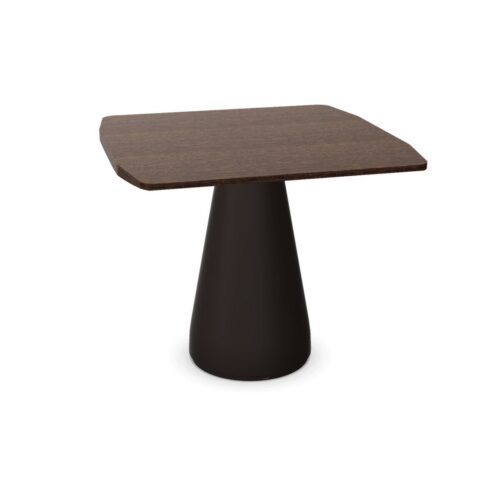
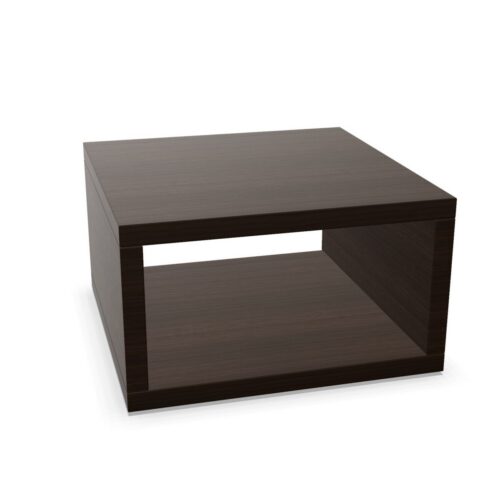
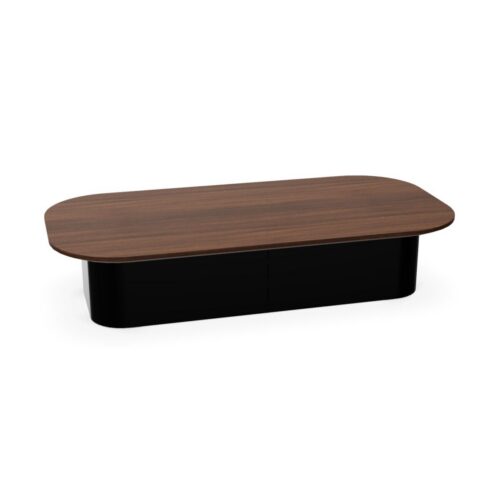
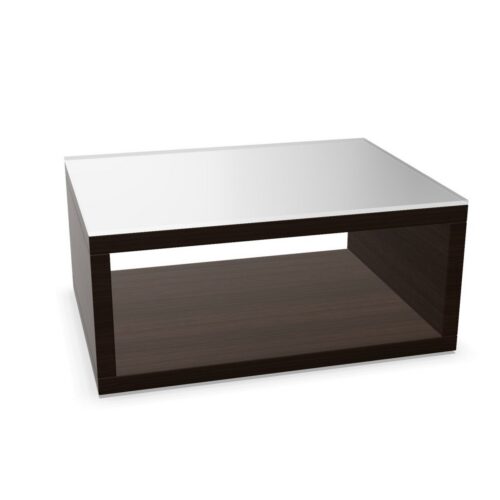
Lounge Furniture With Rectangular Tops and Melamine Bases

Lounge furniture with rectangular tops and melamine bases offers a clearly directed tabletop outline with a specified base material. The long edges, short ends, and corners give planners distinct points of reference when relating a table to sofas and chairs. Melamine identifies the support material beneath that outline, while its appearance and configuration remain details to confirm. Consider the combination where a lounge arrangement needs a deliberate relationship between seating frontage and shared surface.

Begin by deciding which seats the table accompanies. A rectangular top between opposing sofas creates different relationships from one beside a group of individual chairs. Compare alignment, the routes at either end, and the visible position of the base before coordinating finishes. Do not assume that the top shares the base material or that a rectangular perimeter establishes a particular support arrangement. The strongest selection follows the actual room plan and confirmed component details.

2 models
From $13.47 p/m
4 models
From $39.85 p/m
2 models
From $33.74 p/m
3 models
From $21.07 p/m
4 models
From $22.39 p/m
$4.65 p/m
7 models
From $19.80 p/m

Define the Table's Relationship With the Seats

Start with the principal seating frontage and compare it with the rectangle's long edge. This creates a clear reference for positioning, but it should be tested against every intended seat. A table may appear well aligned with a sofa while relating less clearly to chairs at either end of the group.

Decide whether the surface belongs to the whole group or mainly to neighboring seats. That distinction helps establish its position without relying on visual centering alone. Review ordinary uses such as placing a cup or consulting notes, then assess the arrangement from the relevant seated viewpoints.

Review Lounge Furniture With Rectangular Tops and Melamine Bases

The rectangular outline establishes the shape of the surface, while melamine establishes the base material. Neither confirms the top material, the finish of either component, or the supporting configuration. Keep those details separate during comparison so that the eventual arrangement reflects the actual piece rather than assumptions associated with a material name.

With lounge furniture with rectangular tops and melamine bases, look at the support from the open sides of the group. Its visual relationship with the top may change as surrounding furniture conceals parts of it. Use both entrance views and seated views to assess the composition.

Examine Ends, Corners, and Access Routes

The ends of a rectangular table often sit near the openings into a seating group. Check how each corner relates to the route used to reach adjacent chairs. Trace that route in the context of the complete arrangement, including the positions of people already seated, rather than assessing an empty outline in isolation.

Review the long sides separately. They may run alongside a sofa or face opposing seats, creating different relationships with the shared surface. Confirm the base positions beneath those sides before fixing the surrounding furniture layout. Top shape alone does not explain how the supporting structure relates to each seat.

Create a Consistent Room Composition

Rectangular tops can establish a repeated directional reference across a larger lounge. Decide whether the tables should follow their respective sofas or share a wider room alignment. Where those principles conflict, prioritize the relationship that makes the seating groups understandable and gives each table a deliberate role within its own arrangement.

For lounge furniture with rectangular tops and melamine bases, coordinate appearance using confirmed finishes. The base material does not imply one color or a uniform visual character. Compare the top and base individually with nearby furniture, then assess the combined effect from the main route through the room.

Frequently Asked Questions

Should the table be centered on the sofa?

Centering is a useful initial position, but check the other seats and the routes at both ends. A deliberate offset may be appropriate when the surface mainly accompanies particular chairs or when the group's entrance influences placement.

Can the top material be inferred from the base?

No. Lounge furniture with rectangular tops and melamine bases specifies separate attributes of separate components. Confirm the tabletop material and finish independently, along with the base appearance and configuration, before making material coordination decisions.

How should rectangular tables align across a lounge?

Choose a clear principle and test it against each seating group. Following the main sofa can be more relevant than following the building, especially where groups face different directions. Review the resulting pattern from the main circulation route.

Explore related selections