

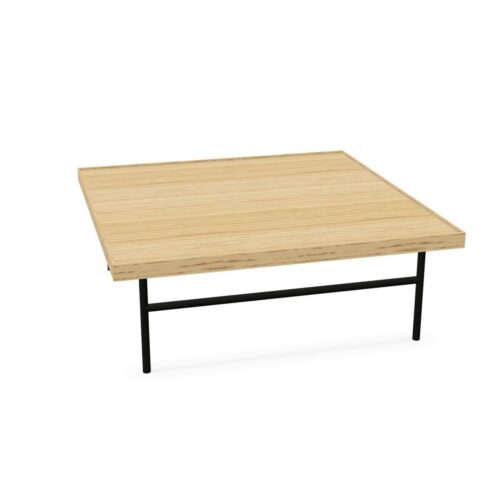
Lounge Furniture With Rectangular Tops and Metal Bases

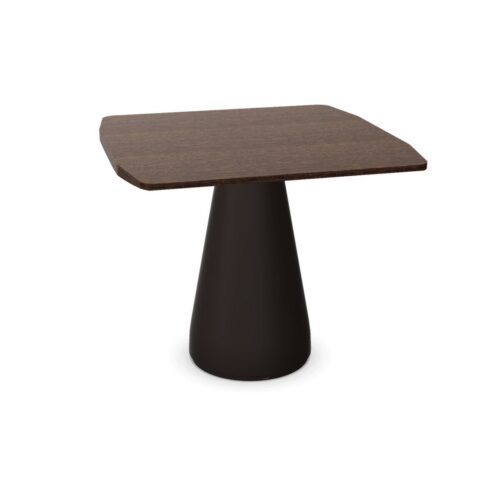
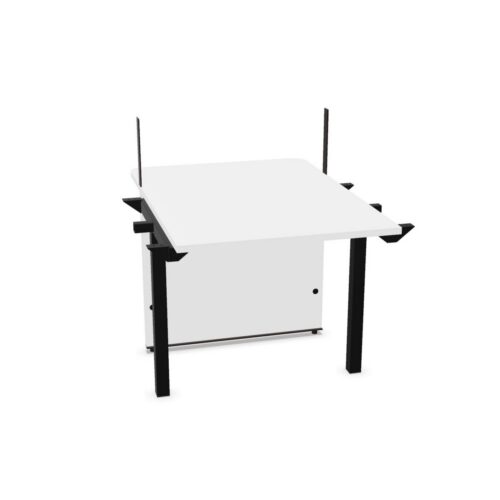
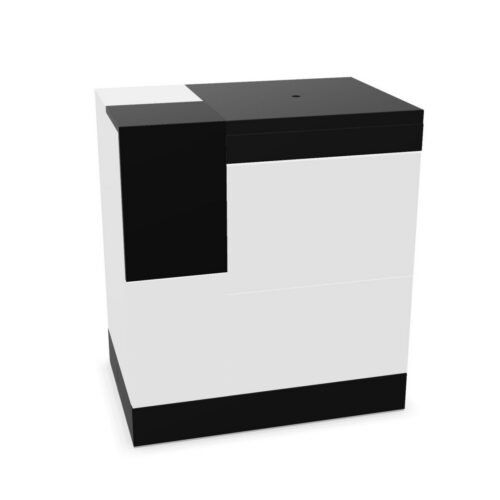
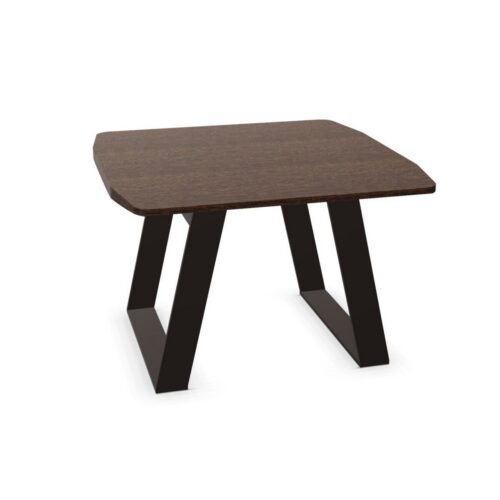
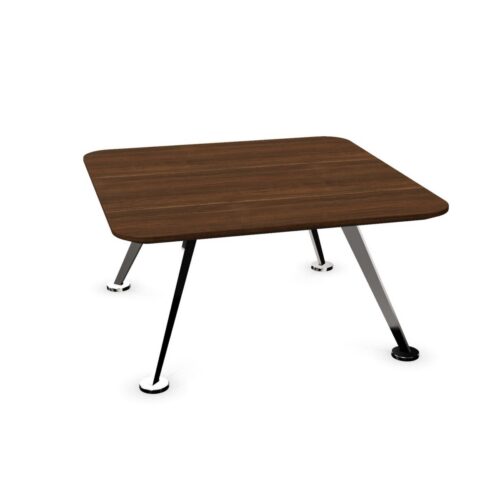
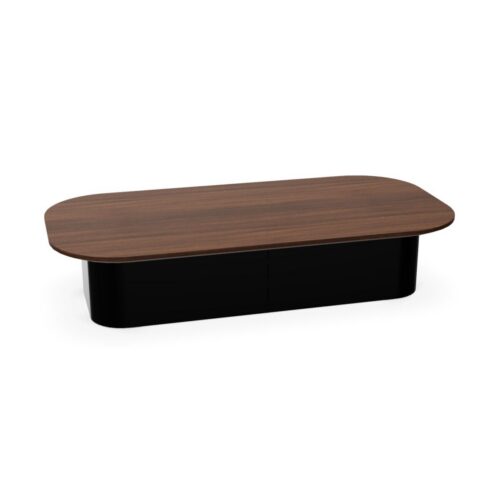
lounge furniture with rectangular tops and metal bases gives workplace lounge planning a defined tabletop outline to relate to the seating. The rectangular shape establishes straight sides and corners, while the metal base remains a separate part of the form that needs assessment. Begin with the table’s orientation toward the surrounding seats. Compare the longer direction, the end positions, and the visible base with the arrangement’s intended purpose rather than aligning the table automatically with the nearest wall.

This combination can be assessed within sofa groups, facing seating arrangements, or visitor lounges where a table has a clear position between seats. Draw the actual top and base outlines into the room plan, then trace the approaches around them. Review the corners in relation to nearby seats and passing routes. A useful layout considers the whole table as occupied space, including the parts that seem less prominent from the entrance.

2 models
From $13.47 p/m
2 models
From $33.74 p/m
3 models
From $21.07 p/m
5 models
From $51.23 p/m
2 models
From $8.57 p/m
7 models
From $19.80 p/m
2 models
From $24.09 p/m

Arranging lounge furniture with rectangular tops and metal bases

Choose the table's orientation by examining the relationships within the seating group. A rectangular top can follow the front of a sofa, sit between facing seats, or relate to another line in the room. Compare these arrangements against the intended activity and approach routes. Review the end positions as carefully as the sides, since they may face a route into the group or an adjoining seat. Use the actual top outline when testing the plan. A neat alignment from one viewpoint needs to remain coherent when seen from the other approaches.

Check corners where routes change direction

Mark the points where people turn toward seats or pass around the table. Compare each of those routes with the rectangular outline, including the corners nearest the approach. Do not assess the arrangement only from a centered view facing the sofa. Include movement from adjoining rooms and routes behind neighboring seats. If a corner sits near a change in direction, review the table position within the whole group before adjusting individual pieces. The aim is a layout whose geometry follows the way people enter, use, and leave the seating area.

Relate the base footprint to the top

For lounge furniture with rectangular tops and metal bases, confirm where the base sits beneath the tabletop and how far its actual outline extends. Metal identifies the base material without establishing its geometry, finish, or support arrangement. Assess the complete form from seated positions and from the main route through the room. Include both the top and base footprints in the planning review. If several tables are intended, compare their complete forms rather than assuming that matching top shapes create the same relationship with the seating or with surrounding circulation.

Build consistency across separate seating groups

Where a workplace has several lounge groups, decide which rectangular table relationships should repeat. Consistency might come from a shared orientation toward the seating or from a deliberate relationship between the visible bases. Each group still needs to respond to its own position in the room. A table beside an arrival route may require a different placement from one deeper within a conversation area. Review the groups together from the main entrance, then assess each one individually. This balances a coordinated visual scheme with the specific seating and circulation requirements of each location.

Frequently Asked Questions

Must a rectangular table sit parallel to the sofa?

No single orientation follows from the shape. Compare the table with every surrounding seat and the routes into the group. A parallel arrangement may suit the room, but its end positions and corners still need a complete layout review.

Does a metal base follow the rectangular top outline?

Not necessarily. When specifying lounge furniture with rectangular tops and metal bases, confirm the actual base footprint and position beneath the top. The material and tabletop shape do not establish the arrangement of the supporting form.

How can rectangular tables coordinate across different lounge areas?

Define the relationships that should repeat, such as orientation toward the seating or the appearance of the bases. Then adapt each placement to its local approaches and surrounding furniture. Review both the individual groups and their combined appearance within the workplace.

Explore related selections