

Lounge Furniture With Square Tops and Metal Bases

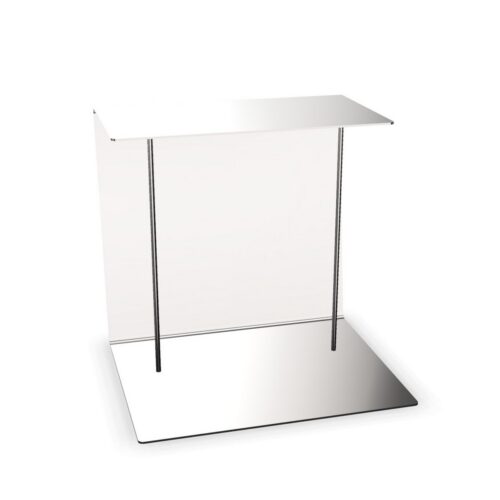
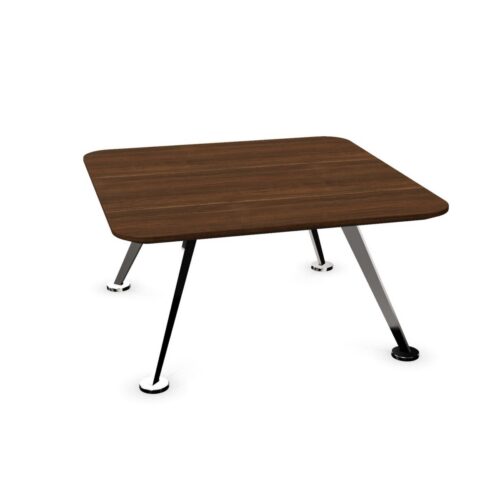
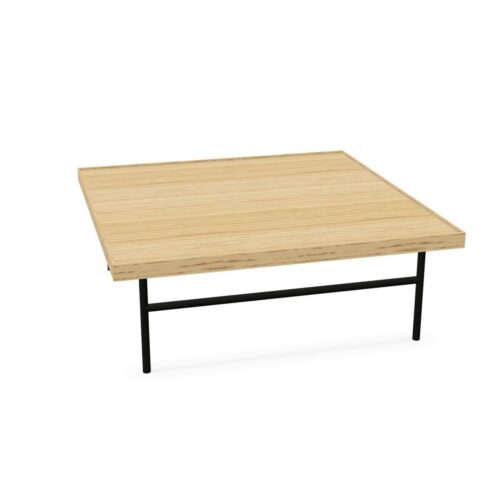
Lounge furniture with square tops and metal bases offers a clear starting point for seating arrangements organized around straight edges. A square lounge table can relate to the front of a sofa, the line of adjacent chairs, or the geometry of a room. The metal base is a second part of that composition, so its position and appearance deserve attention alongside the tabletop. Plan the relationship between these elements before deciding where the table should stand.

This combination is particularly useful to assess when a lounge needs an orderly arrangement without relying on every piece facing the same direction. Compare a top aligned with the seats against one turned within the group. Each orientation changes where the corners fall and how people approach the surface. Use those differences to guide placement, keeping access to seats and the main route through the area clearly defined.


Arrange lounge furniture with square tops and metal bases

Choose the line that should organize the seating group. It might be the front of a sofa, a nearby wall, or the direction of the main passage. Aligning a square top with that reference gives the arrangement a readily understood structure. Turning the top creates a different relationship, bringing corners toward the surrounding seats. Neither approach is automatically preferable. Compare both within the intended room, and judge how each orientation supports access to the surface and movement around the furniture.

Place corners with a clear purpose

The corners deserve their own review because they are the parts of the outline that project between adjacent edges. Check where they fall beside seat entrances and along routes people use to leave a conversation. Avoid judging the table only from a frontal view, where those relationships can be difficult to see. Look diagonally across the group as well. A small change in orientation may alter which corner faces a passage, even when the table remains in the same general position.

Connect the metal base to the overall composition

The base contributes to the table's appearance below the square surface. Compare its actual outline with the straight lines above it and the surrounding seating. Metal alone does not indicate whether the support is centrally arranged, spread across the underside, or visually prominent. Establish those details from the individual design. Where the underside remains visible from an entrance, assess it as part of the room's composition. Where seats partly obscure it, check the relationship from seated positions as well.

Use a consistent comparison sequence

Assess lounge furniture with square tops and metal bases through the same sequence: seating alignment, corner position, base placement, and approach routes. Keeping that order prevents appearance alone from deciding the arrangement. Consider the activities expected in the space, such as a brief visitor conversation or an informal team discussion. Identify which seats need access to the tabletop and whether any approach crosses another person's position. Finish by checking the whole group from the doorway, where its relationship to the room becomes easier to judge.

Frequently asked questions

Should a square lounge table follow the sofa line?

That alignment is a useful first arrangement to test. It establishes a direct relationship between the tabletop edge and the seating. Then check the corners and entry routes. Another orientation may suit the room if the aligned position places a corner across an approach.

What matters when several seating groups share a room?

Use a consistent alignment reference where that helps people understand the arrangement. Individual groups can still respond to nearby entrances or walls. Review the spaces between groups carefully, because the combined table and seat outlines determine the routes through the lounge.

How should the base influence the final decision?

With lounge furniture with square tops and metal bases, compare the support's actual position beneath the top. Look at its relationship to seated feet, visible corners, and surrounding furniture. The material description alone cannot establish whether those relationships suit the intended layout.

Explore related selections