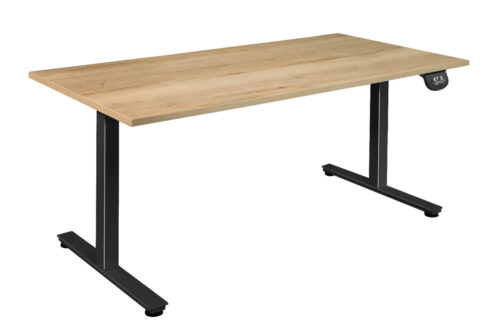


Concrete Gray surface colour office furniture brings a restrained, architectural finish to workspaces that need a practical, neutral look. On this page, Concrete Gray refers to the visible work surface or outer furniture surface, such as a desktop, table top or cabinet face; it does not describe the colour of the frame, legs or base.
This finish can suit contemporary offices, shared work areas and settings where furniture needs to sit comfortably alongside different materials and changing layouts. The products shown here have a Concrete Gray visible surface, while their construction, dimensions, storage arrangement and base finish may vary by item.
What does Concrete Gray surface colour mean?
Surface colour identifies the finish seen across the main usable or outward-facing part of a piece of furniture. For a desk or table, this is usually the top. For storage furniture, it may be the door, drawer front, carcass or another visible panel, depending on the design.
Concrete Gray is a mid-to-dark neutral inspired by the appearance of architectural concrete. It can have a cool, mineral character without requiring the furniture itself to be made from concrete. Always review the individual product images and specifications when matching furniture to existing finishes, as the appearance of a colour can differ with lighting, material texture and screen settings.
Why choose a Concrete Gray work surface?
A neutral surface can help create a consistent setting without making the room feel overly uniform. Concrete Gray works particularly well where a workplace uses black, white, timber, metal or muted accent colours elsewhere in the scheme. It can provide visual definition on desks and tables while remaining suitable for professional, client-facing spaces.
- It offers a composed alternative to brighter or more decorative surface colours.
- It can complement industrial, contemporary and understated interior schemes.
- It provides a practical visual contrast with light walls, pale floors and white accessories.
- It can be paired with a range of frame colours, subject to the options available on each product.
For procurement teams, a grey surface can also be useful when specifying furniture across several rooms. It gives a recognisable finish for the worktop or cabinet front while allowing other details, such as leg style or storage format, to be selected around the needs of each area.
Where Concrete Gray furniture can work well
Concrete Gray surfaces can be considered in both individual work settings and shared spaces. Their neutral appearance makes them relevant where a fit-out needs to support focused work, informal collaboration and occasional visitor use without introducing a highly distinctive colour treatment.
- Open-plan offices: use a consistent desk-surface finish to give workstation neighbourhoods a coherent appearance.
- Meeting and project areas: select a grey table surface that can sit alongside presentation equipment, chairs and movable collaboration furniture.
- Studios and technical workplaces: pair the mineral-inspired finish with practical, robust-looking materials and simple storage.
- Reception-adjacent spaces: choose a calm surface colour that supports a considered first impression without competing with signage or branding.
- Hybrid work hubs: use neutral tables and desks where different teams may use the space throughout the week.
The suitability of a particular item will depend on its size, configuration and intended use. A surface colour alone does not determine whether furniture is appropriate for a specific setting.
Furniture types with visible surface finishes
Many office-furniture categories use surface colour as an important part of their specification. Desks, benching systems and meeting tables commonly present the top as the most visible plane in a room. Storage units may use the finish across doors, drawer fronts or side panels, where it contributes to the overall visual rhythm of a workspace.
When comparing products, distinguish between the visible surface and the supporting structure. A Concrete Gray desktop can be supplied with a different-coloured frame, for example, depending on the model and available configuration. This distinction matters when coordinating furniture with existing task chairs, monitor arms, flooring or architectural features.
How to coordinate Concrete Gray with an office scheme
Start with the permanent features of the space: floor tone, wall colour, daylight, partitions and joinery. Concrete Gray can look cooler or warmer according to its surroundings. In rooms with abundant natural light, it may appear lighter and more textured; in darker areas, consider how the surface will relate to lighting and pale adjacent finishes.
For a balanced scheme, combine a grey work surface with a limited palette of supporting materials. Light timber can introduce warmth, white can keep the room bright, and black or dark metal can create a more defined contrast. If upholstered seating or acoustic products are part of the plan, use samples or product imagery to assess how colours sit together rather than relying on colour names alone.
Choosing furniture with a Concrete Gray surface
Colour is one selection factor alongside workspace function. Confirm the dimensions, shape and operational requirements before using surface finish to narrow the range. A desk may need room for screens and cable management; a meeting table may need to accommodate a particular number of users; storage may need to suit documents, personal items or shared supplies.
Questions to consider
- Which visible component needs to be Concrete Gray: the desktop, table top, cabinet face or another panel?
- What frame or base finish will work with the surrounding furniture?
- Will the surface be viewed under daylight, task lighting or both?
- Does the item need to align with existing desk heights, room dimensions or circulation routes?
- Are there related tables, storage pieces or accessories that should use the same or a complementary finish?
It is also worth checking the product-level information for available options. Individual ranges can differ in material, edge treatment, configuration and compatible accessories, even where the visible surface colour is similar.
Planning a consistent furniture specification
For larger projects, record surface colour separately from base colour, upholstery and material type. This avoids ambiguity when several finishes are described as grey and helps designers, facilities teams and installers understand which element of each item is being specified. A simple finish schedule can list product type, dimensions, surface finish, frame finish and intended location.
Consider viewing Concrete Gray as one part of a wider workplace palette rather than an isolated choice. The right combination should support the use of each zone while maintaining enough continuity between workstations, meeting spaces and storage areas. Guidance on choosing office furniture can help structure those comparisons, while an office space planning guide is useful when considering layouts and circulation.
Related Myntwork furniture ranges
Browse the wider office furniture collection to compare desks, tables, storage and other workplace pieces in relation to your required finish, function and layout. Product pages provide the most relevant detail when confirming whether Concrete Gray applies to the work surface or another visible outer surface.