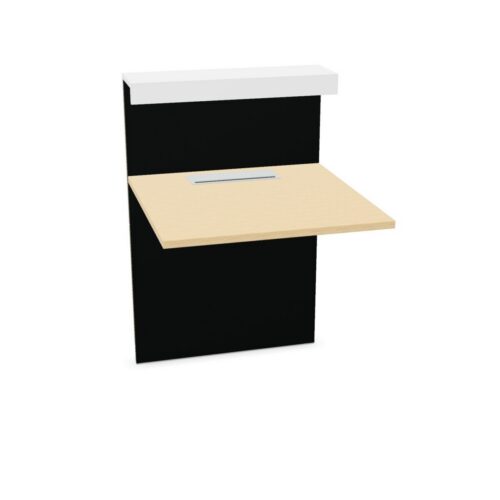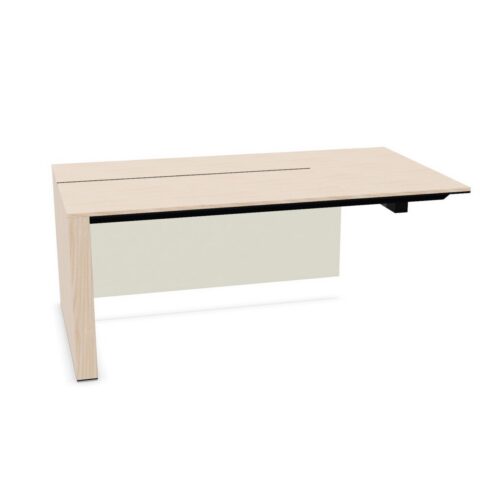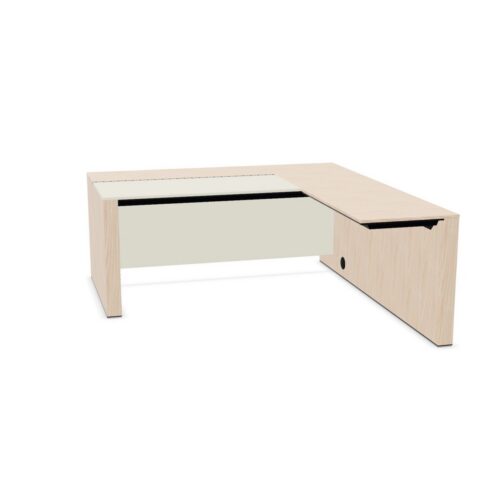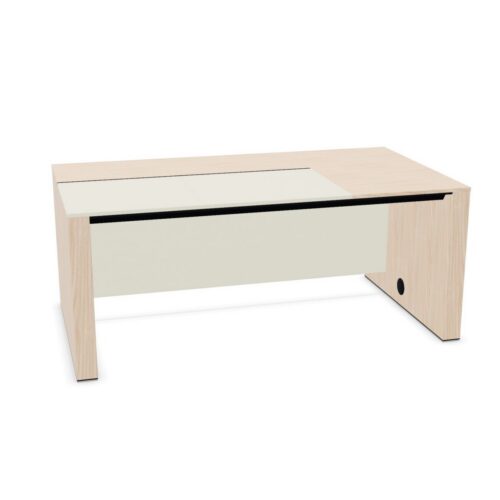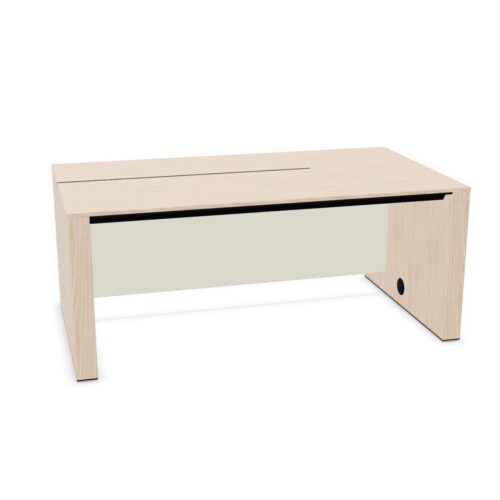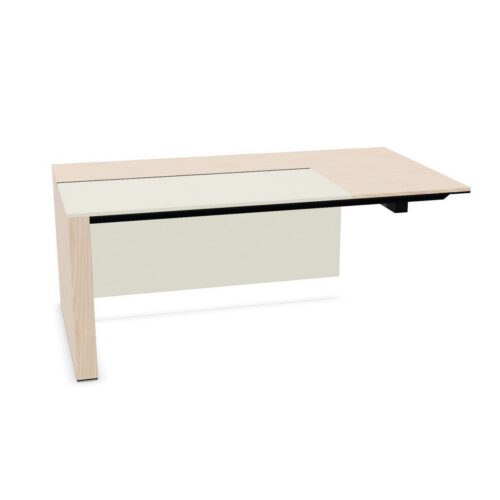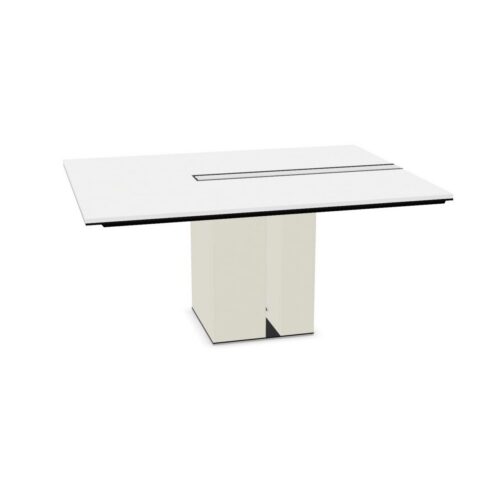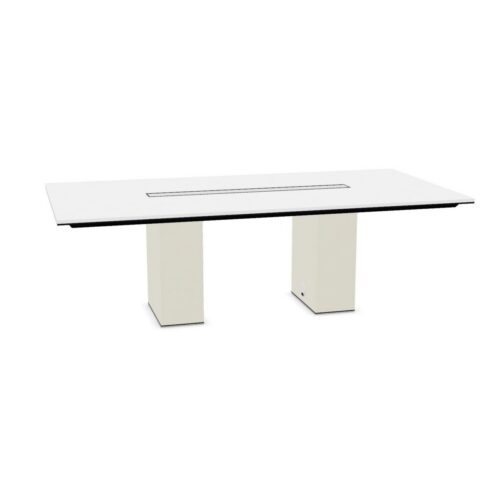


Green surface office furniture brings a considered colour accent to workplaces while keeping the focus on practical, lease-ready specification. On this page, green refers to the visible work surface or outer finish, such as a desktop, tabletop, cabinet front or storage face; it does not describe the colour of the frame, legs or base.
A green surface can help define character in a shared office, client-facing setting or collaborative area. The precise shade, material and extent of the finish will vary by product, so it is useful to review individual product imagery and specifications when building a coordinated furniture schedule.
What does a green surface colour mean?
Surface colour identifies the finish seen on the main usable or outward-facing part of a furniture item. For desks and tables, this will commonly be the top. For storage, it may be a drawer front, door or cabinet exterior. On other workplace furniture, it can describe the principal visible panel rather than the supporting structure.
This distinction matters when comparing products. A desk may have a green desktop with a black, white, silver or otherwise finished frame. Equally, a storage unit can have a green-facing surface while its handles, plinth and internal fittings use different materials or colours. Filter results should therefore be treated as a starting point for appearance, with the full product detail confirming the complete finish combination.
Why choose green-finished work surfaces?
Green is often selected for its connection with natural materials, planting and calmer interior schemes. In an office setting, it can introduce colour without relying on bright contrasts across every item. A darker green surface may suit a more grounded, formal palette, while a lighter or more saturated option can make a breakout or project area easier to identify.
- It can complement timber, neutral laminate, black metal and light-coloured wall finishes.
- It helps distinguish zones where furniture needs a recognisable visual identity.
- It can support a biophilic or nature-informed workplace scheme alongside planting and natural textures.
- It offers an alternative to standard white, grey or wood-effect worktops where the brief calls for a defined colour treatment.
The colour should be considered alongside lighting and nearby finishes. Daylight, warm artificial lighting and the size of a surface can all change how a green finish is perceived in the completed space.
Where green surface furniture works well
Green worktops and visible furniture faces can be used across a variety of commercial settings. They are especially useful where a design team wants to create a consistent palette between individual workstations, shared tables and supporting storage, without requiring every frame or component to match.
In open-plan offices, green desktops can help give neighbourhoods or departmental areas a distinct identity. In collaborative areas, a green table surface may separate informal teamwork settings from more neutral focused-work zones. Reception-adjacent spaces, studios, education rooms and hospitality-style workplace areas can also use green-facing storage or tables to introduce colour that is visible to staff and visitors.
For larger projects, think about how the finish will appear from different viewpoints. A cabinet face may be most noticeable from circulation routes, while a desktop is usually seen from above and at close range. This affects whether green functions as a background finish, a wayfinding cue or a more prominent visual element.
Furniture types to compare
The available selection may include different types of office furniture with green visible surfaces. Product construction and dimensions will vary, but the following categories are useful to consider when compiling a furniture list:
- Desks and benching with green worktops for individual or team work areas.
- Meeting, project and café-style tables with coloured tops.
- Pedestals, cupboards and other storage with green exterior panels or fronts.
- Collaborative furniture where a visible horizontal surface forms part of the design.
- Occasional tables or ancillary pieces used to carry a colour scheme into breakout spaces.
Combining more than one category can make a colour choice feel intentional. For example, a small number of green shared tables may work with neutral desks and green-accented storage, rather than applying the same finish to every workstation. The right balance will depend on the workplace brief, floorplate and existing interiors.
How to specify the right green finish
Start by establishing the role of colour in the project. Is green intended to be a focal point, a subtle complement to an existing palette, or a practical way to differentiate teams and spaces? This will help determine whether the selected surface should be used widely or limited to key furniture pieces.
Then compare the surface with the rest of each product specification. Check the frame and leg finish, edge detail, handle colour where relevant, and the materials already present in flooring, joinery and partitions. A green top and a green base are separate attributes, so selecting by surface colour alone does not guarantee a particular frame appearance.
Questions to consider
- Which green tone works with the lighting and finishes in the proposed location?
- Will the surface be viewed mainly from above, from circulation routes or by visitors on arrival?
- Do desks, tables and storage need a matching finish, or only a shared colour reference?
- What frame, edge and hardware colours are appropriate alongside the surface?
- Does the chosen furniture size support the available work settings and clear circulation space?
For multi-item orders, it is sensible to review each product individually, as similar-looking green finishes can differ in tone, texture and material across ranges.
Planning colour across the workplace
Surface colour is one part of a wider office-furniture plan. It should sit alongside decisions about desk layouts, meeting capacity, storage provision, power access and movement around the floor. A colour can help make zones understandable, but it should not compromise practical requirements such as adequate worktop area or access to shared equipment.
Use green surfaces consistently enough to create visual connection, while leaving neutral finishes where they support flexibility. This approach can be particularly effective in evolving workplaces, where furniture may need to serve focused work, informal meetings and project activity at different times. Our office space planning guide provides useful context for assessing furniture requirements in relation to the available space.
Reviewing products on this archive
The products shown here are grouped because they have a green work surface or visible outer surface. They may differ substantially in use, proportions, materials, frame finish and supporting features. Use the archive filters and individual product information to narrow the range according to the furniture type and specification required for your project.
When comparing options, consider how the finish relates to the item’s intended location as well as its operational role. A green meeting-table top, for example, may have different visual and practical considerations from a green cabinet front or an individual desk surface. Guidance on choosing office furniture can help bring these decisions together.
Related Myntwork furniture ranges
Green surface finishes can form part of a broader palette across workstations, shared spaces and storage areas. Browse the wider office furniture collection to compare categories and finishes that suit your workplace layout, colour scheme and furnishing requirements.