

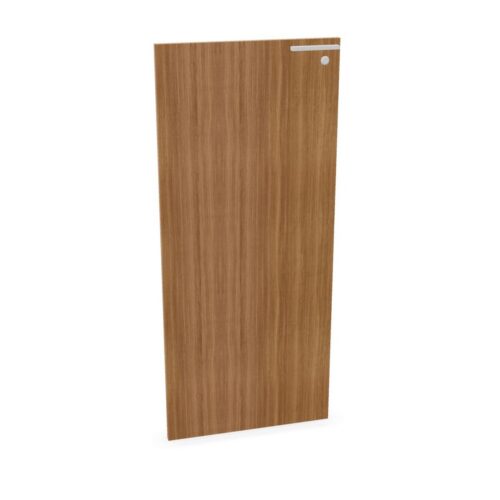
Wood-coloured office furniture brings a natural, familiar finish to workplaces of many styles. On this page, the colour refers to the product’s overall visible appearance rather than solely its frame, base or upholstered elements. The selection may include pieces with light, medium or dark wood tones, along with wood-effect finishes that work alongside a wider office scheme.
For procurement teams, facilities managers and workplace designers, wood can offer a practical visual link between desks, storage, meeting areas and shared spaces. It is a versatile choice for fitted-looking interiors, contemporary workspaces and settings where a less uniform feel than all-white or all-black furniture is preferred.
What does wood colour mean for office furniture?
Wood is a broad colour family rather than one exact shade. Depending on the item, it can range from pale oak-inspired tones to warmer walnut-like finishes and deeper brown surfaces. Grain direction, edging, texture and surrounding materials can all affect how a wood-coloured product appears in a room.
Within this archive, the wood classification describes the primary visible colour of the product as a whole. It does not necessarily mean that an item is made from solid timber. Office furniture is commonly manufactured using a range of suitable materials and surface finishes, so product specifications should always be checked for the construction, finish and care information relevant to a particular item.
Why choose wood tones in a workplace?
Wood tones are often selected because they help introduce warmth and visual depth into functional work settings. They can soften the appearance of larger furniture runs, particularly where desks, tables or storage form a prominent part of the interior.
- Visual continuity: similar wood tones can connect individual workstations, meeting furniture and storage across a floorplate.
- Flexible coordination: wood commonly sits comfortably with black, white, grey and metal accents, giving planners scope for chairs, screens and accessories.
- Approachable shared areas: natural-looking finishes can suit reception points, collaboration zones, breakout settings and meeting rooms.
- Longer-term planning: a neutral wood palette can make it easier to update soft furnishings or decorative elements without changing the core furniture scheme.
The right choice depends on the light, finishes and intended atmosphere of the space. A pale surface may keep a compact room feeling open, while a deeper tone can add contrast in a larger setting with lighter walls and flooring.
Where wood-coloured furniture is commonly used
Wood finishes can be used throughout an office, but they are particularly useful where people move between focused work, informal conversations and client-facing activity. A consistent finish can help different zones feel like parts of the same workplace while still allowing each area to serve a distinct purpose.
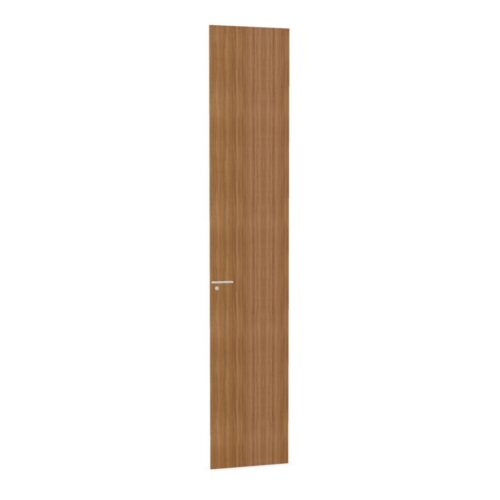
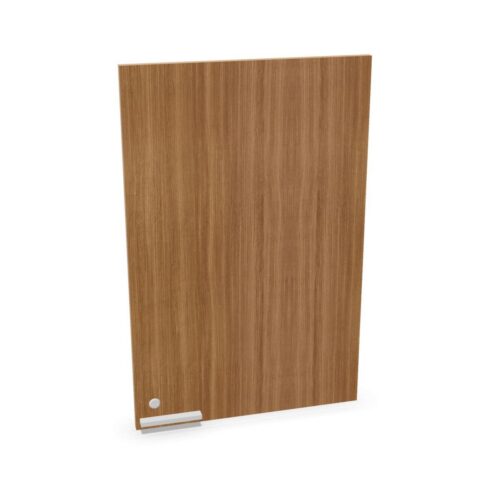
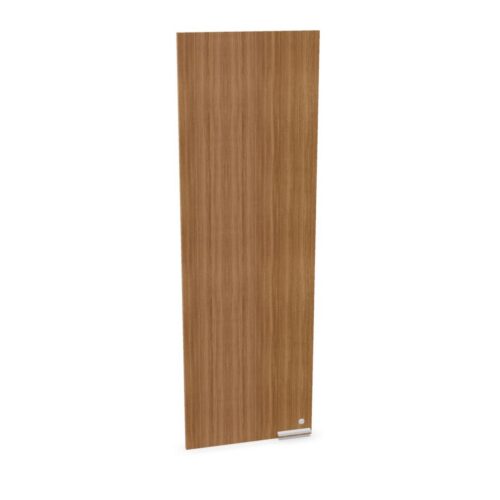
Common applications include individual and bench desks, meeting tables, pedestals, cupboards, shelving and communal tables. In customer-facing environments, wood-coloured surfaces can also be considered for reception, waiting and consultation areas where a more residential or established visual character is wanted.
- Open-plan work areas requiring coordinated desk and storage finishes
- Meeting rooms where the table is a central visual feature
- Private offices and executive workspaces
- Breakout, café and touchdown zones
- Reception and welcome spaces that need to relate to the wider office palette
Matching wood tones across an office
It is worth treating wood colour as part of a full materials schedule, rather than selecting each item in isolation. Two finishes described in similar terms may look different once placed together because of undertones, grain patterns, sheen and the influence of daylight or artificial lighting.
When a coordinated result matters, compare product imagery and finish information alongside samples where these are available. Consider the existing floor, joinery, doors and wall colours, as well as the finishes of chair frames, cable management and handles. Repeating one principal wood tone can create a calm result; combining two deliberately contrasting tones can help distinguish zones, provided the contrast is planned consistently.
Furniture types available in wood colour
The products shown in this filter may cover a broad range of workplace furniture. Larger surface-led pieces, such as desks and tables, are often the most obvious places to establish a wood finish, while storage can reinforce the same palette around the room.
For a procurement schedule, start by identifying the items that set the visual direction: main desks, meeting tables and prominent storage. Then assess supporting furniture separately. Some products may use wood as their dominant finish while incorporating metal legs, coloured doors or other contrasting details; check each listing to ensure that the overall appearance works with the intended scheme.
How to choose the right wood finish
Practical requirements should guide the choice as much as appearance. Consider the dimensions required, the number of users, the use of shared technology and the need to reconfigure spaces over time. The finish should also be appropriate for the level of day-to-day use and the maintenance approach within the building.
Questions to consider
- Will the furniture be viewed next to existing timber, laminate, flooring or wall finishes?
- Does the room receive strong natural light, or is it mainly lit by artificial sources?
- Would a lighter or darker surface better support wayfinding and zoning?
- Which pieces need an exact finish match, and where is complementary variation acceptable?
- Are cable access, storage capacity, table seating or workstation layout more important than a particular shade?
- What cleaning and ongoing care arrangements are suitable for the selected surfaces?
Planning a balanced workspace palette
Wood-coloured furniture can act as a foundation rather than the only visible finish in an office. Pairing it with restrained neutral surfaces can maintain a clear, professional setting, while chairs, screens and accessories provide opportunities for contrast. In denser work areas, keeping the principal desk finish consistent may help reduce visual clutter. In collaboration spaces, a distinct wood tone can be used to signal a change of function without relying on additional signage.
Layout has an important role too. Table size, circulation routes, access to power and the positioning of storage all affect whether a finished scheme works effectively in practice. The office space planning guide provides a useful starting point for considering furniture placement alongside capacity and movement through the workplace.
Related Myntwork furniture ranges
Use this colour filter to compare wood-coloured options across the wider office furniture collection, then review individual product details for dimensions, materials and finish information. For help balancing function, appearance and the needs of different work settings, see our resource on choosing office furniture.







Frezza