


EN 1335 compliant office chairs are specified against the European standard for office work chairs, covering relevant dimensions and safety requirements for this type of seating. For workplace teams, this attribute is a useful starting point when comparing chairs intended for regular desk-based use.
On this page, the products are identified as compliant with EN 1335. The standard can support a more consistent procurement process, but it is still important to assess each chair’s adjustment range, user needs, working patterns and suitability for the space in which it will be used.
What does compliance with EN 1335 mean?
EN 1335 is a European standard concerned with office work chairs. It addresses aspects of chair dimensions and safety that are relevant to seating used at desks and workstations. The standard is commonly referenced when organisations are sourcing task chairs for offices, home-working schemes, study settings and other environments where people work while seated for extended periods.
Compliance should not be treated as a complete description of a chair. It does not, by itself, establish that a model is the right fit for every user or every task. Chairs can vary considerably in back design, seat shape, controls, materials, armrests and the range of positions they allow.
Why this attribute matters in office-chair procurement
When purchasing or leasing furniture for multiple workstations, a recognised standard can make product comparison clearer. It gives procurement, facilities and workplace teams a defined criterion to include alongside practical requirements such as budget, appearance, maintenance and layout.
- It helps identify chairs intended for office work rather than occasional or domestic seating.
- It provides a consistent reference point when reviewing several task-chair options.
- It can be useful when responding to internal furniture specifications or workplace policies.
- It supports more informed conversations with facilities, health and safety and people teams.
- It allows the chair standard to be considered alongside ergonomics and individual assessment needs.
For projects with formal requirements, confirm the documentation needed for the particular order and location. A product attribute is helpful for filtering a catalogue, while project records may need more detailed information from the relevant product documentation.
EN 1335 and ergonomic suitability
EN 1335 compliance and ergonomic suitability are related considerations, but they are not interchangeable. A chair may meet the standard while still needing to be selected carefully for the person using it. Comfort and support depend on how a chair’s dimensions and controls relate to an individual’s body, desk height, screen position and daily working habits.
Look beyond the compliance field when comparing products. Features such as adjustable seat height, back support, tilt movement, arm configuration and seat-depth adjustment can affect how a chair works in practice. The value of any adjustment also depends on whether it can be set appropriately and used consistently.
Our guide on how to choose an office chair provides a useful framework for reviewing these points alongside the needs of the workstation.
Where are EN 1335 compliant chairs used?
Chairs carrying this attribute are relevant to a broad range of desk-based settings. The right model will depend on the duration and type of work, the users of the space and whether seating is assigned or shared.
- Open-plan offices with individual workstations.
- Private offices and focused-work rooms.
- Shared desks, touchdown spaces and hot-desking areas.
- Home-working equipment programmes where office-style seating is required.
- Administrative, customer service and operational work areas.
- Study or project rooms where users work at desks for sustained periods.
For short meetings, reception areas or occasional laptop work, a task chair may not always be the most suitable choice. Consider the expected use of the area before applying an office-chair standard as the main selection criterion.
Chair types you may find in this range
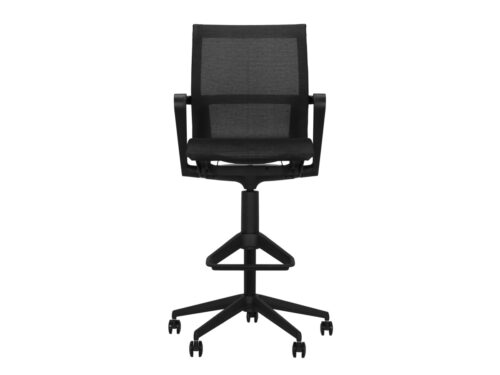
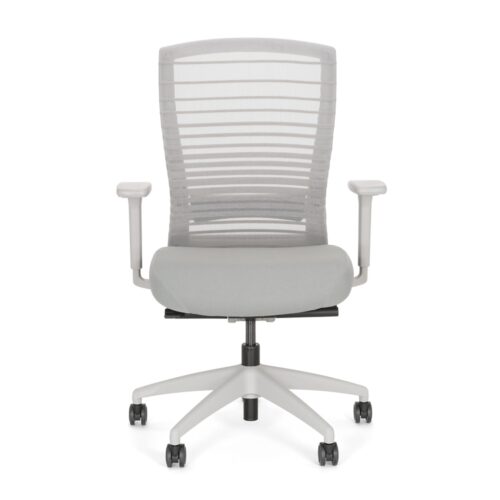
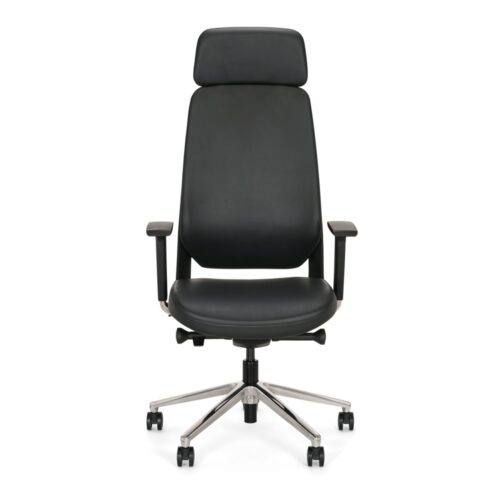
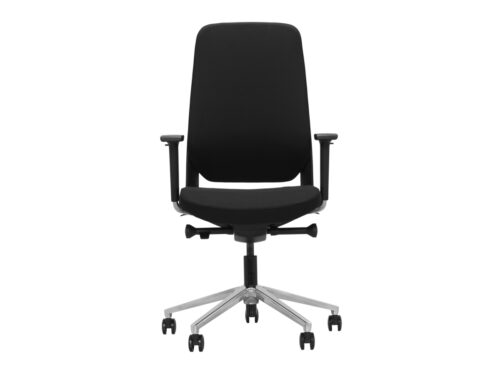
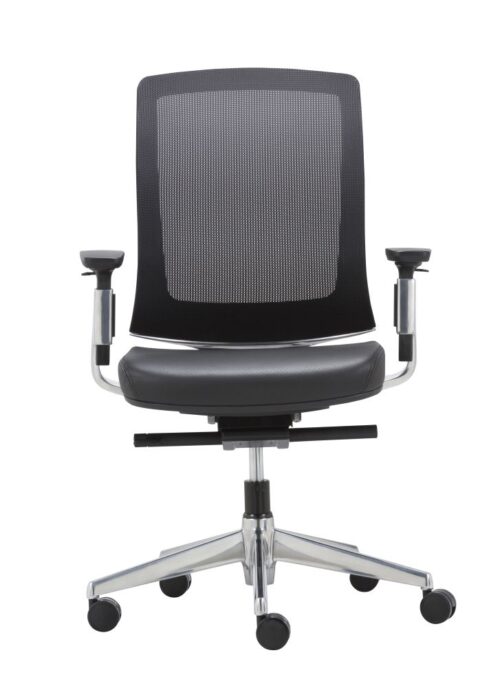
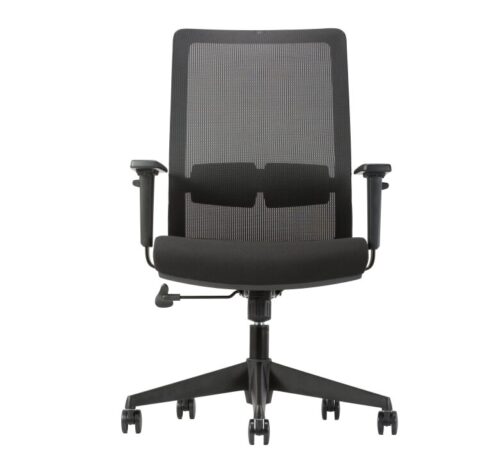
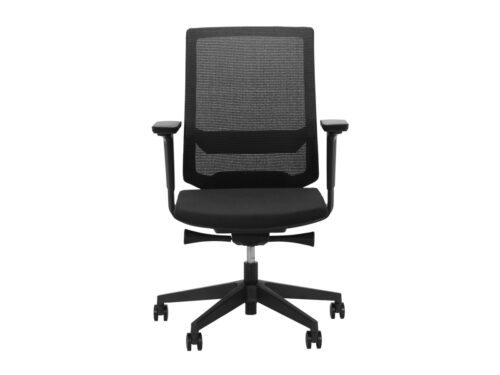
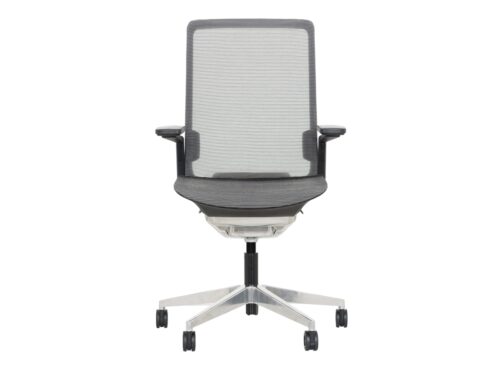
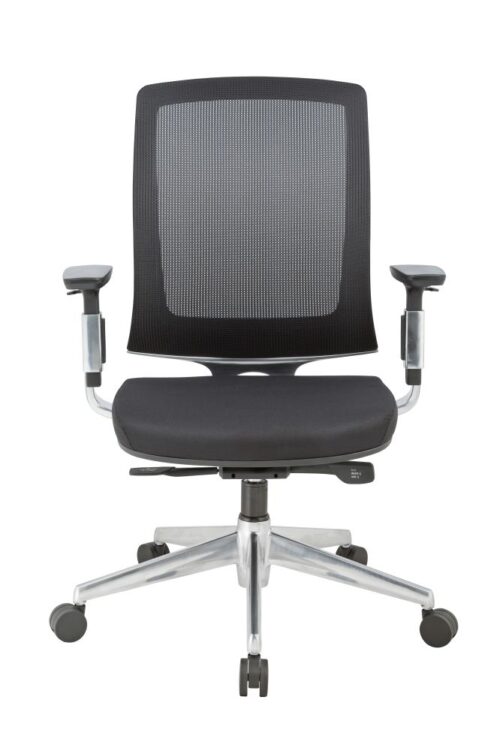
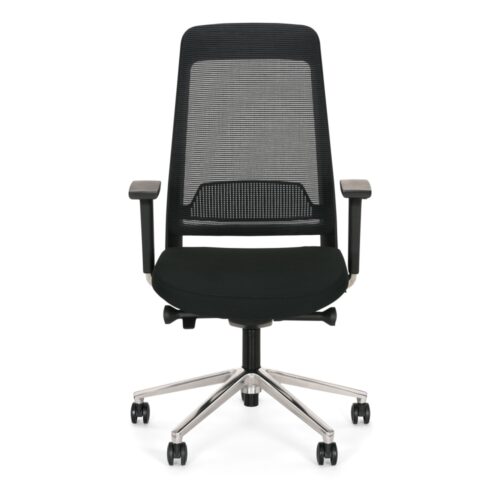
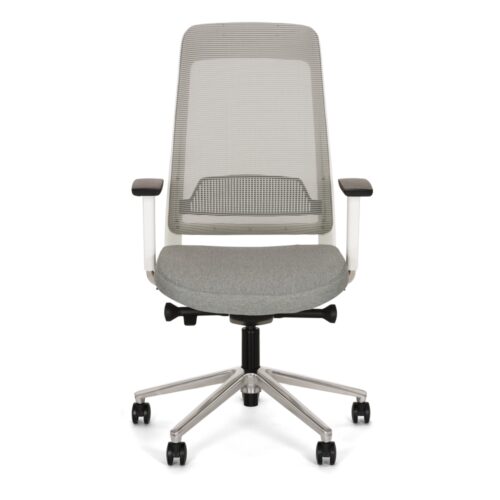
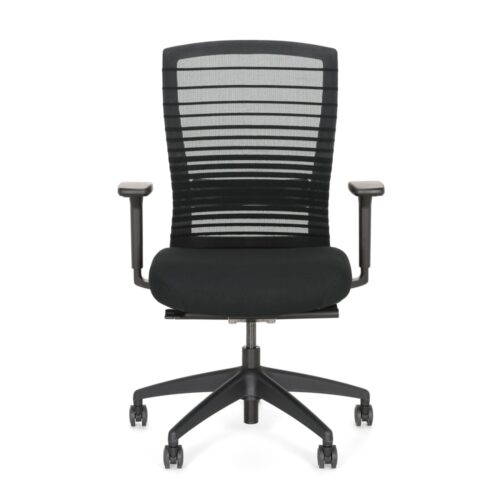
This filter can include different styles of office seating rather than one fixed chair format. Some models may have upholstered backs, while others use mesh or other breathable materials. Some are designed with a more understated workplace appearance; others place greater emphasis on visible adjustment controls or a particular design language.
Base finish, upholstery, armrest option and mechanism can also differ between configurations. Check the individual product details for the specific version being considered, especially where a range offers optional components. The EN 1335 attribute relates to the listed chair, but the full specification remains important when matching furniture across a project.
How to select a compliant chair for your workplace
Start with the task rather than the standard alone. Establish who will use the chair, how long they are likely to sit, whether desks are fixed or shared and what level of adjustment is needed. A well-planned selection should work with the desk, monitor equipment and available floor space.
Questions to consider
- Will the chair be used by one person or by a changing group of users?
- Which adjustments are necessary for the expected working pattern?
- Are armrests needed, and will they work with the desk and its clearance?
- Does the chair’s overall footprint suit the workstation and circulation routes?
- Is there a preferred material or finish for cleaning, visual consistency or the character of the space?
- Are there individual requirements that call for a separate ergonomic assessment?
It is also sensible to consider the operational side of the project. Specify a coherent range where possible, record the selected configuration and ensure that users understand the available controls. For shared spaces, straightforward adjustments can be especially valuable because settings may need to be changed frequently.
Using standards as part of a broader specification
EN 1335 can form one part of an office seating specification, alongside product dimensions, finishes, warranties, maintenance needs and the intended use of the furniture. It should not replace a review of the chair’s product information or a workplace assessment where one is needed.
For larger projects, create a short schedule that records the chair model, selected options, quantity, location and relevant compliance information. This approach helps maintain consistency when furniture is ordered, moved between sites or reviewed later as teams and spaces change.
Explore Myntwork office seating
Browse our wider selection of office chairs to compare task seating alongside other workplace chair types. You can then use the available filters and product details to narrow the range by the features, finishes and specifications that matter to your workspace.
Myntwork
Myntwork
Myntwork
Myntwork
Myntwork
Myntwork
Myntwork
Myntwork
Myntwork
Myntwork
Myntwork