


Office furniture with a 5-year warranty brings together products for which a five-year warranty period is stated. For procurement teams, facilities managers and workplace designers, this can be a useful starting point when comparing furniture intended for regular professional use.
A warranty period is one part of the information needed to assess a furniture specification. It should be considered alongside the product’s intended application, materials, dimensions, configuration and supplier documentation. The products shown on this archive have a stated five-year warranty where specified; the precise terms, coverage and conditions should always be checked against the relevant product information.
What does a 5-year furniture warranty indicate?
A five-year warranty is a stated period associated with the product by its manufacturer or supplier. In an office-furniture context, it can help buyers identify ranges supported by a defined warranty timeframe and create a more consistent basis for comparing options across a project.
Warranty wording can differ between products, even where the stated period is the same. Coverage may depend on the component involved, the way the furniture is used, installation, maintenance or other conditions. A five-year warranty should therefore not be treated as a complete description of product performance or as a substitute for reviewing the individual specification.
For a multi-item order, recording the warranty period alongside product references, finishes and quantities can also make future facilities administration more straightforward.
Why warranty information matters in office procurement
Office furniture is often selected for spaces that must work over time: shared workstations, meeting rooms, reception areas, breakout settings and focused work zones. Warranty information gives procurement teams one clearly stated point to consider within a wider assessment of suitability and lifecycle planning.
- It helps create a consistent comparison when reviewing several furniture ranges.
- It provides a useful reference for internal approvals, asset records and handover documentation.
- It supports a considered conversation about expected use, care and replacement planning.
- It can help project teams align furniture choices with their organisation’s purchasing requirements.
The warranty period alone does not determine whether an item is appropriate for a particular workplace. A desk for individual work, for example, should still be chosen around its size, cable-management needs and configuration, while seating needs to suit its planned level and type of use.
Furniture types that may have a stated 5-year warranty
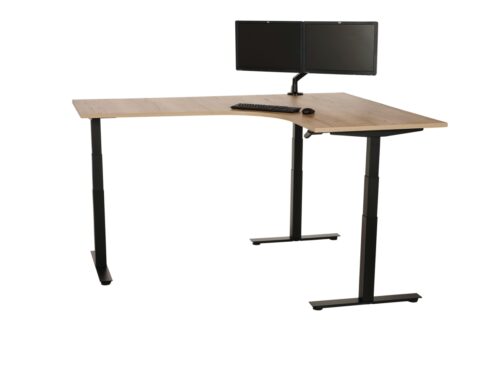
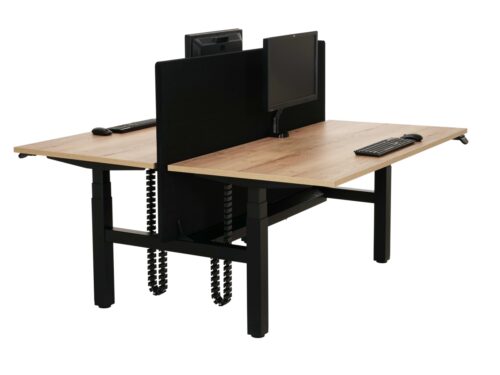
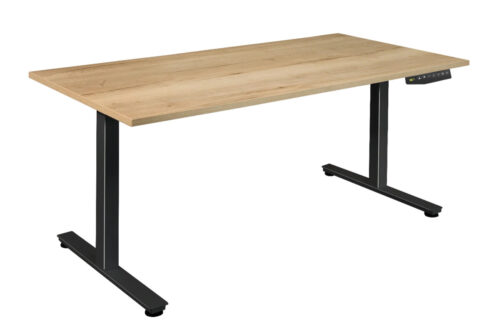
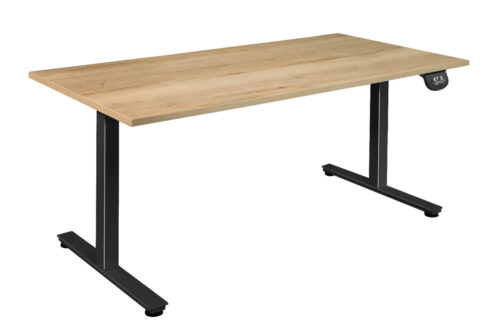
This archive may include a varied selection of office furniture with a stated five-year warranty period. Depending on the current catalogue, this can cover furniture for individual workspaces, collaborative rooms and shared amenity areas.
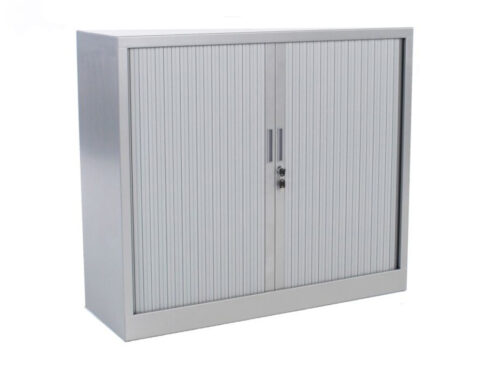
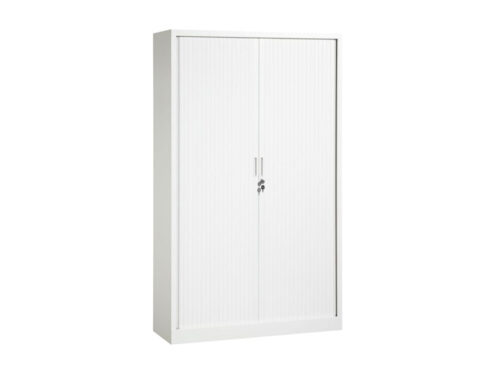
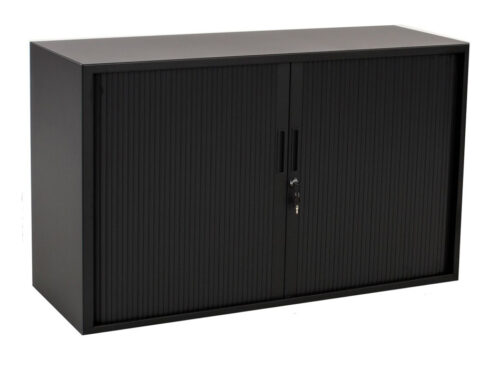
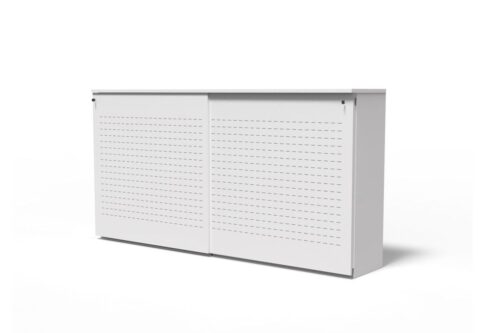
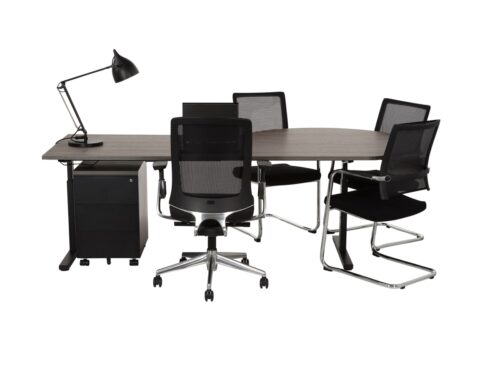
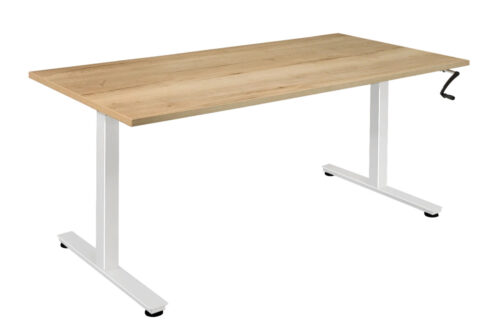
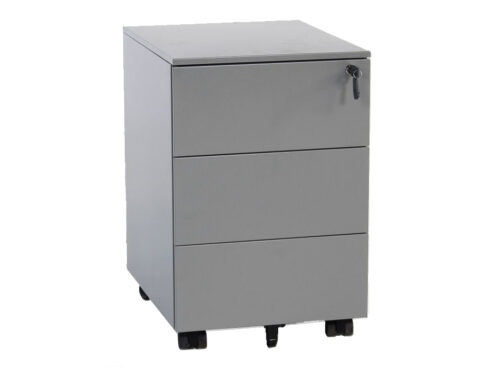
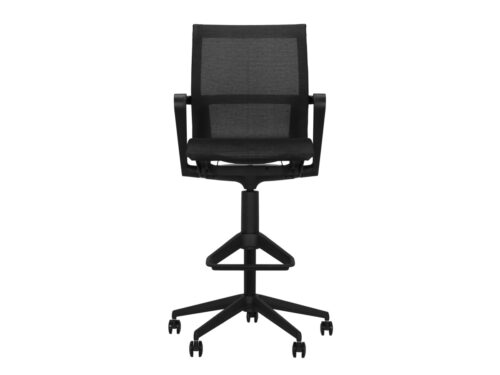
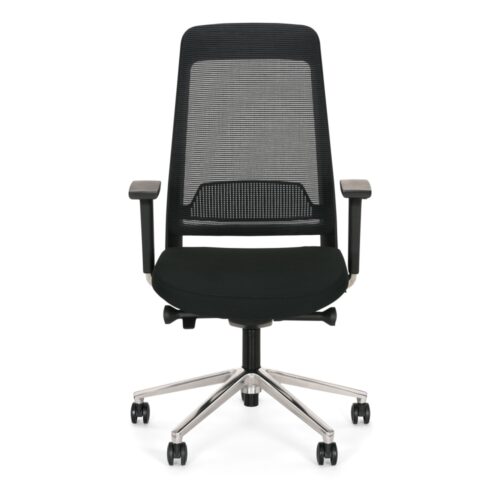
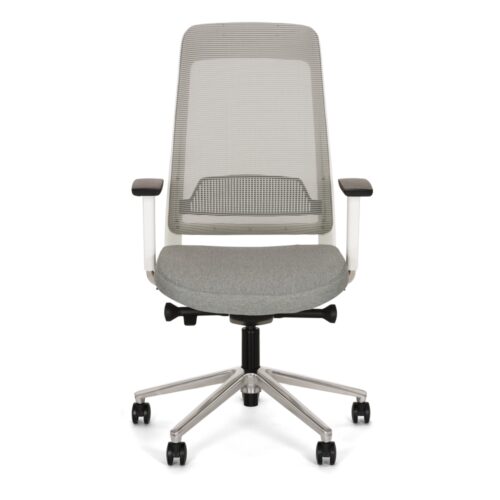
Product types can include desks and work tables, office chairs, meeting tables, storage pieces, reception furniture and other workplace equipment. Availability and the exact mix of products can change, so each listing should be read as an individual specification rather than assuming that all items share the same materials, dimensions or functional features.
When furnishing a whole workplace, it can be helpful to group products by room and intended activity first. This makes it easier to identify whether the furniture is needed for concentrated work, informal discussion, client-facing spaces, document storage or flexible team use.
Using a 5-year warranty filter for project planning
Filtering by warranty period can be particularly practical when creating a shortlist for a refurbishment, office move or new workplace fit-out. It allows buyers to focus on products carrying the same stated warranty duration while retaining the flexibility to compare styles, sizes and configurations.
For larger projects, use the filter as one stage in a structured selection process. Start with the room brief and user requirements, then review product dimensions and finish options before checking the applicable warranty information. This approach avoids choosing solely on a single attribute when the project has several operational needs.
- Set out which rooms and user groups the furniture must serve.
- Measure available floor area, circulation routes and access points.
- Confirm the required quantities, configurations and finish choices.
- Review the product description and stated warranty details for each selected item.
- Keep product references together for ordering, installation and future records.
How to compare products on this archive
Products with the same stated warranty period can be very different in purpose. A task chair, a boardroom table and a storage unit each answer different workplace requirements, so compare like with like before making a specification decision.
Look beyond the warranty filter to the practical details that affect day-to-day use. Check overall dimensions, capacity where relevant, available finishes, assembly or configuration requirements and compatibility with surrounding furniture. In shared offices, consider how frequently an item will be used, who will use it and whether it needs to support changing team layouts.
Questions to consider
- Is the item designed for the setting and activity planned for the space?
- Will its size work with the room layout and required clearances?
- Does the finish complement existing furniture and interior materials?
- Are there related items in the range needed to complete the room?
- Have the product-specific warranty terms and conditions been reviewed?
Care, records and long-term workplace use
Good product records are useful throughout the life of an office furnishing project. Keep order confirmations, product references, finish details and any warranty documentation in a central location, particularly where furniture is installed across several floors or sites.
Routine care should follow the relevant product guidance. Correct use, sensible cleaning and prompt attention to issues can help maintain furniture in a condition suitable for the workplace. Where components or finishes differ across a project, make sure facilities teams have access to the product information that applies to each item.
For organisations managing phased changes, an asset list can also show which furniture was supplied to each area and when. This provides useful context when reconfiguring spaces, moving teams or reviewing future furniture requirements.
Building a considered furniture specification
A five-year warranty filter is most useful as part of a broader specification process. The right choice balances practical requirements with the design of the space, the expected pattern of use and the need for consistency across the workplace. For individual projects, reviewing products in their relevant categories can make comparison clearer than assessing unrelated items together.
Explore the wider office furniture collection to compare workplace furniture by category, or read Myntwork’s guidance on choosing office furniture when planning desks, seating, meeting spaces and supporting pieces for an office environment.
Myntwork
Myntwork
Myntwork
Myntwork
Myntwork
Myntwork
Myntwork
Myntwork
Myntwork
Myntwork
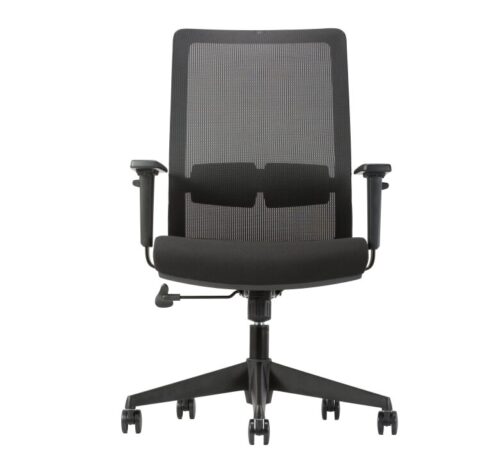
Myntwork
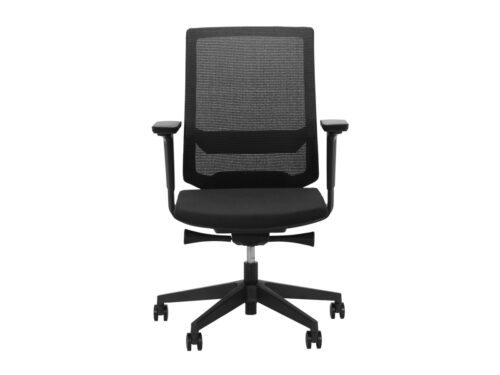
Myntwork
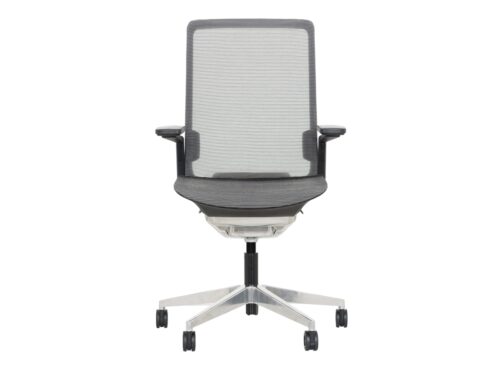
Myntwork
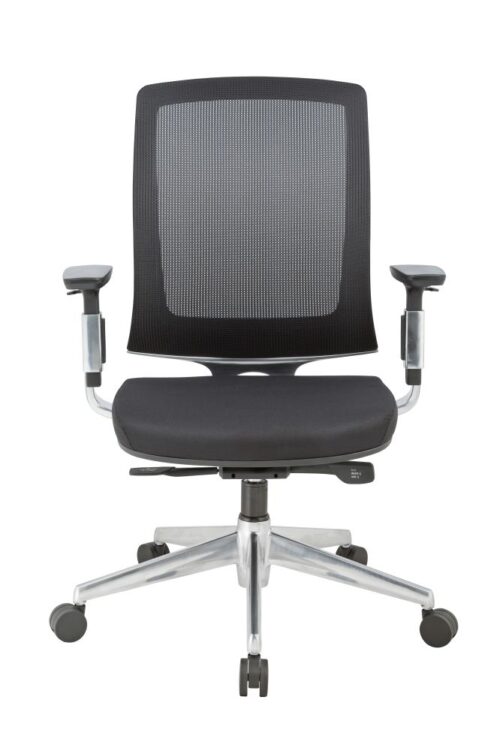
Myntwork
Myntwork
Myntwork