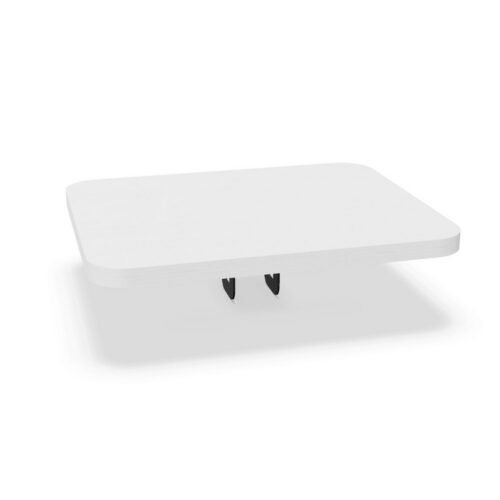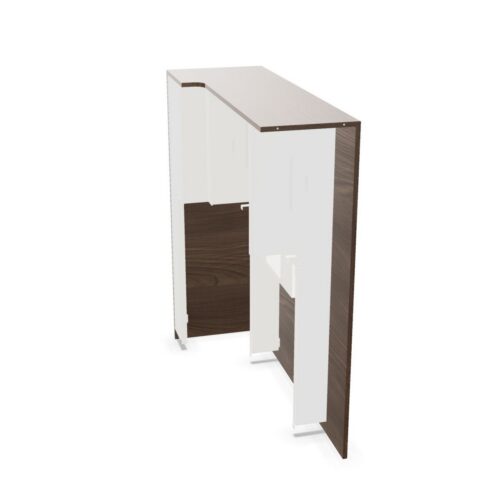


1 person office furniture covers furniture designed around an individual workstation or a single seated user. On this page, the number of persons refers primarily to typical workplace or seating capacity, helping procurement teams identify compact tables and furniture suited to one person at a time.
A one-person capacity can be useful in focused work areas, small meeting settings, reception zones and flexible offices where each space needs a clear purpose. Dimensions, configuration and intended use still vary between products, so capacity should be considered alongside the available floor area and the activities the furniture needs to support.
What does 1 person capacity mean?
For tables and meeting furniture, 1 person usually indicates a format intended for one user: for example, an individual desk, a compact work table or a small occasional table placed beside a single chair. It is a practical planning reference rather than a complete description of a product’s size, ergonomics or function.
A table listed for one person may support concentrated laptop work, a short private call, reading, touchdown work or a one-to-one task carried out by a single occupant. It does not necessarily mean that no other person can stand nearby or use the surrounding area. The product specification and room layout remain important when determining how a piece will work in practice.
Why individual-capacity furniture matters
Planning around individual use can make a workplace easier to navigate and furnish efficiently. It allows teams to allocate space for focused work without automatically using larger shared tables, which may be unsuitable for narrow rooms or low-occupancy zones.
- Supports dedicated places for independent work and short tasks.
- Helps make better use of alcoves, window positions and compact rooms.
- Provides a clear basis for calculating the quantity of work points required.
- Can help separate quiet individual activities from larger collaborative settings.
- Offers flexibility when creating touchdown or temporary work areas.
For procurement, a one-person filter can also simplify comparison. Once the capacity is appropriate, product details such as tabletop dimensions, height, materials, cable management and base design can be assessed against the brief.
Where is 1 person furniture commonly used?
Single-user furniture is found across many commercial environments. In open-plan offices, it may form part of a bank of individual workstations. In a quieter setting, a single desk or table can create a focused work point away from busier team areas.
It can also be relevant in home-working setups, libraries, education spaces, hospitality work lounges and reception-adjacent areas. A compact one-person table may provide a useful place for checking email, completing paperwork or taking a brief call without dedicating a full meeting room to the task.
Within meeting suites, individual-capacity pieces can complement rather than replace shared furniture. They may be used in breakout spaces, interview rooms or waiting areas, while larger rooms are furnished with appropriately sized conference tables for group discussions.
Product types to consider
The 1 person value can apply to several furniture types. The exact selection shown on the archive may include products intended for different settings, so it is worth considering the role of the item before comparing finishes or styles.
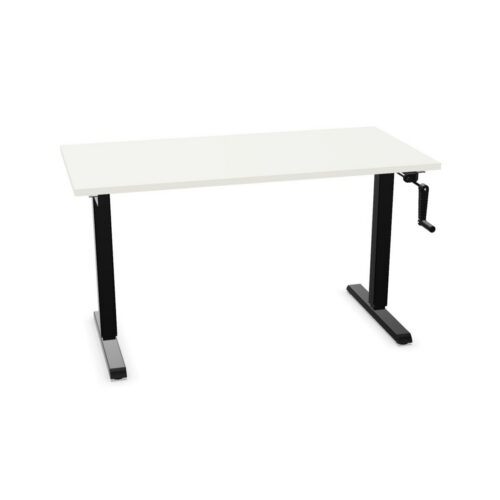
- Individual desks: dedicated surfaces for routine computer work, administration or study.
- Compact work tables: smaller formats for laptop tasks, touchdown areas or flexible spaces.
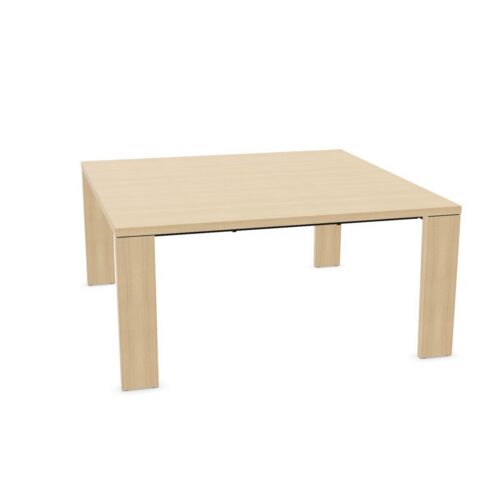
- Occasional tables: single-user pieces for informal lounges, waiting zones or personal work points.
- Private work settings: furniture arranged to support concentration, calls or short periods away from shared desks.
- Complementary seating: chairs and stools selected to suit the intended table height and duration of use.
Capacity alone does not indicate whether a product is designed for prolonged desk work, an informal perch or a meeting setting. Review the individual product information and pair tables with seating that is suitable for the planned activity.
Choosing a one-person table or workstation
Start with the task. A user working at a screen for much of the day will have different requirements from someone using a table for a short coffee, an interview or a quick check-in. Surface depth, seating position and access to power may all influence the choice.
Next, measure the usable footprint rather than only the product dimensions. Allow room to approach the furniture, pull out a chair, move between work points and maintain circulation routes. In shared areas, consider sightlines, noise, privacy and proximity to teams or facilities.
Questions to consider
- What activity will the individual space support, and for how long?
- Is the furniture for a fixed workstation, a touchdown point or an occasional setting?
- How much clearance is needed around the table and seating?
- Will the user need power, data access or space for a monitor and accessories?
- Should the space feel private, open, formal or informal?
- How will the finish, base and materials coordinate with nearby furniture?
Planning individual spaces within a wider layout
A successful office normally balances individual capacity with spaces for teamwork. One-person work points can be distributed through the floorplate, grouped in a focused zone or placed close to shared amenities according to the way people use the workplace.
When several individual positions are needed, a consistent furniture family can help create a coherent layout while allowing different table sizes and settings where required. Consider how individual desks connect with collaboration areas, storage, circulation and larger bookable rooms. The meeting room planning guide provides further context for matching room furniture to the number of people expected to use a space.
Related Myntwork ranges
Use this archive to narrow the catalogue to furniture associated with a one-person capacity, then compare each item’s dimensions and specification for the intended environment. For group settings and larger-format meeting spaces, browse Myntwork’s range of conference tables. For broader room-layout considerations, refer to the meeting room planning guide.

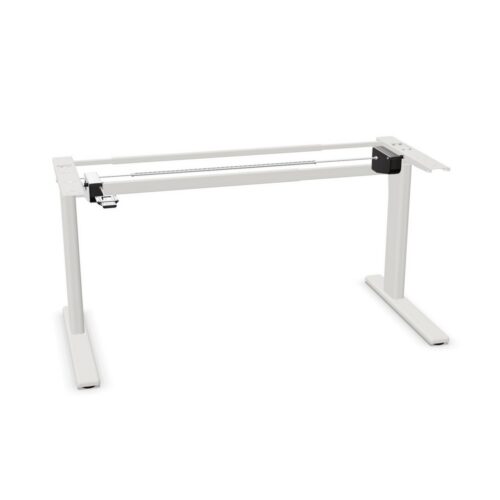

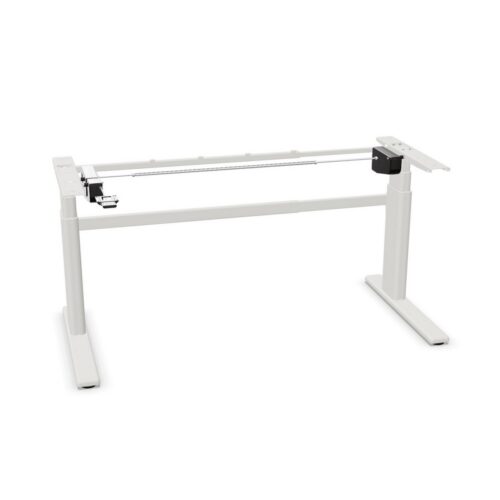







Bralco
Bralco

Bralco



Bralco

Bralco