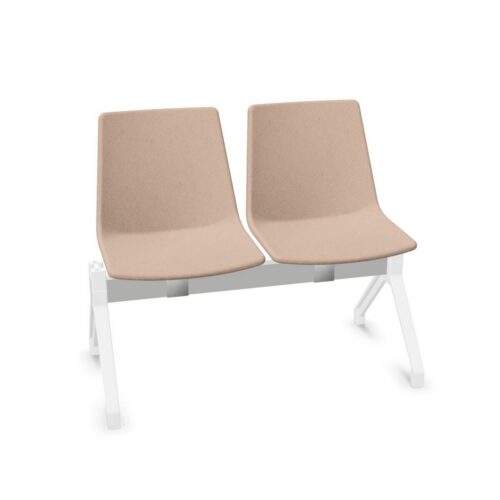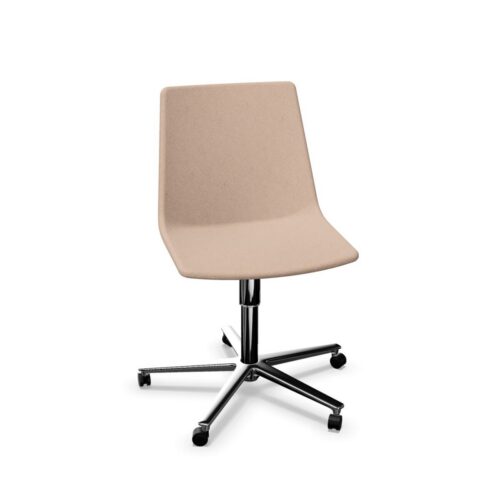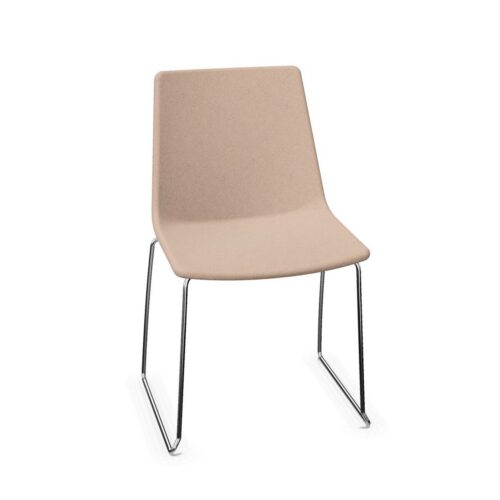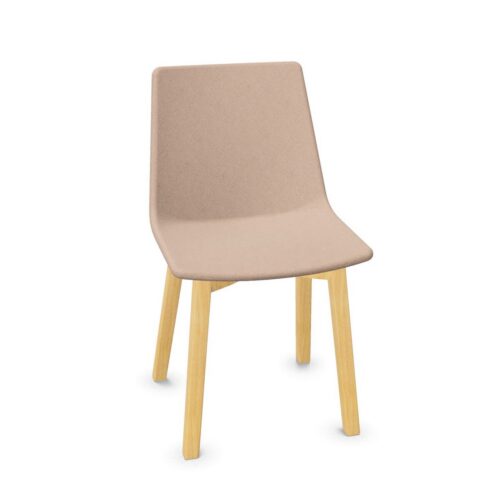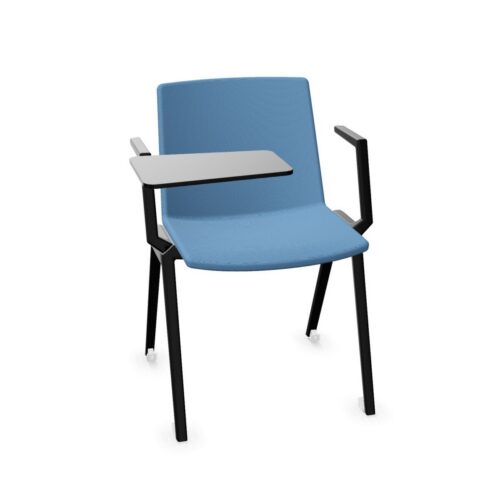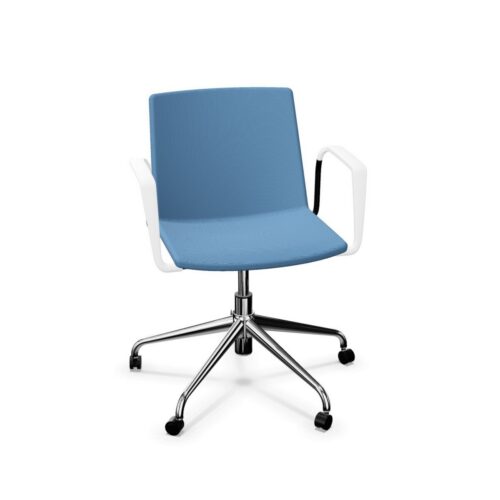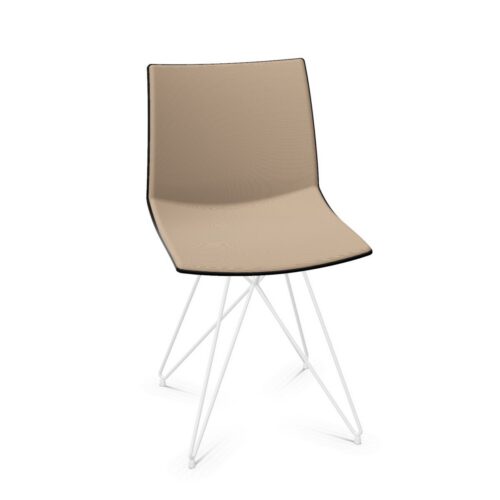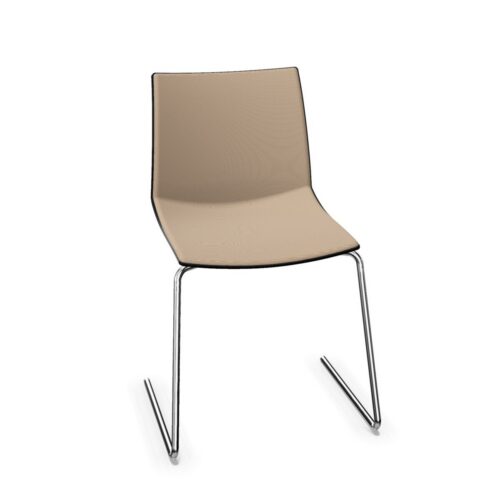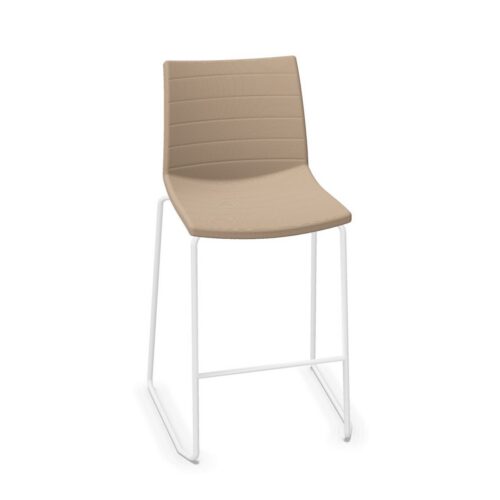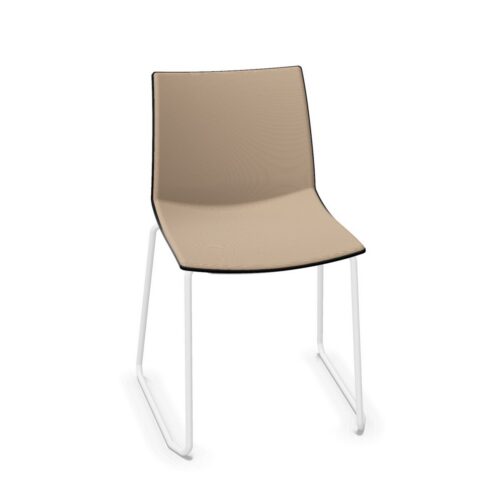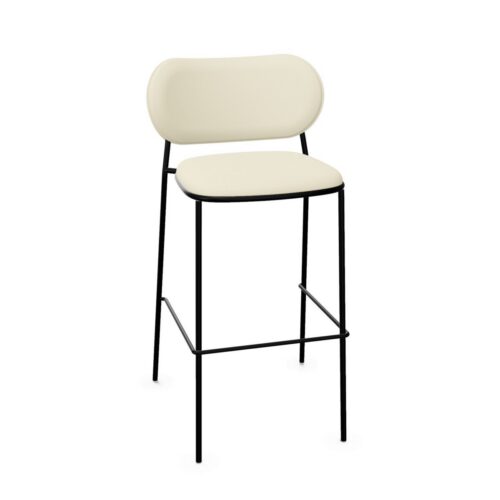


Fire Retardant Class 1 IM office furniture brings together workplace seating and upholstered pieces identified with this fire-resistance designation. For procurement teams, it is a useful filter when comparing products against a project brief, building policy or the fire-performance information requested for a particular interior.
Fire resistance in furniture is not a single, universal property. It can relate to the upholstery, foam, interliner, cover-and-filling combination or the complete finished item, and the applicable requirement depends on the relevant test method, specification and intended setting. Product documentation should therefore be reviewed alongside this archive value before an order is finalised.
What does Fire Retardant Class 1 IM mean?
Fire Retardant Class 1 IM is a fire-performance classification used in furniture and upholstery specifications. On this archive, it identifies products whose listed information includes this designation. It can help narrow a large office-furniture selection where fire performance is one of several required attributes.
The precise meaning, test route and scope of any classification should be confirmed in the product specification. Fire-performance descriptions may apply to a particular upholstery option or construction rather than every available fabric, finish or configuration. They should not be treated as a substitute for checking the documentation needed for the site.
Why fire-resistance information matters in furniture procurement
Workplace furniture decisions often involve more than appearance, dimensions and budget. Facilities, design and compliance teams may need a clear record of the materials selected, particularly where furniture will sit within a managed office, shared building or public-facing environment.
- It helps specifiers compare products against the fire-safety requirements in a project brief.
- It supports clearer communication between landlords, designers, occupiers and furniture suppliers.
- It allows upholstery and seating choices to be reviewed alongside layout, cleaning and durability needs.
- It creates a more consistent route for recording product information for handover or facilities files.
A classification alone does not establish that an item is suitable for every project. Local regulations, the building’s fire strategy, insurer requirements and the use of the space may all influence the final specification.
Furniture types commonly specified with this designation
This filter may include a broad mix of office furniture where upholstered materials are part of the product. The exact selection will vary as ranges, configurations and upholstery options change, so each listing should be read on its own terms.
Typical product groups to consider include:
- Task, operator and executive chairs with upholstered seats or backs.
- Meeting and conference chairs used in collaboration spaces.
- Reception chairs, lounge seating and soft seating for waiting areas.
- Modular seating, booths and banquettes for informal work and break-out settings.
- Upholstered stools and occasional seating used alongside desks or tables.
Hard furniture may have different relevant considerations, such as surface finish, edge detail or the materials used in associated accessories. Where a scheme combines task seating, meeting furniture and soft seating, review the fire information for each product type rather than assuming one item’s designation applies across the entire range.
Where is it relevant in an office?
Fire-resistance information is frequently requested for areas with substantial quantities of upholstered furniture. Reception and visitor areas, meeting suites, training rooms, open-plan offices and staff lounges can all call for careful comparison of seating specifications.
It can also matter when furnishing serviced offices, tenant fit-outs, education-adjacent workplaces and shared amenity spaces. In these settings, several organisations may be involved in approvals, making consistent product records especially useful. For refurbishment projects, consider whether the new furniture needs to align with an existing specification or a revised building requirement.
How to assess the right furniture specification
Start with the project requirement rather than the label alone. Establish which standard or designation is requested, whether it applies to the whole product or a component, and whether it is required across every selected upholstery option. Then compare the product data supplied for the exact model, size and finish under consideration.
Questions to consider
- What fire-performance requirement is stated in the employer’s brief, landlord guidance or building policy?
- Does the designation apply to the selected fabric and the finished seating construction?
- Are alternative fabrics, colours or leathers subject to different technical information?
- Is the furniture intended for a general office, reception, meeting area or another setting with separate requirements?
- What documentation should be retained for project approval, installation and future facilities management?
- Do the selected dimensions, seat height and configuration suit the users and planned layout as well as the compliance brief?
When reviewing a leasing proposal, it is sensible to keep the product reference and selected upholstery details together. This reduces ambiguity when similar chair frames or seating modules are available with different covers and options.
Fire performance and upholstery choices
Upholstery is central to both the appearance and specification of office seating. A colour, weave, coating or textile family may affect the available technical information, so a designation shown for one option should not automatically be carried across to another. This is particularly important with made-to-order seating, modular arrangements and coordinated reception furniture.
Alongside fire-resistance information, assess how the covering will perform in daily use. Consider cleaning expectations, expected traffic, the need for replaceable components, visual consistency with existing furniture and whether the material is appropriate for the location. These practical factors help ensure that the selected seating remains suitable after installation.
Planning a coordinated workplace furniture scheme
Fire-performance requirements are one part of a wider workplace plan. A well-considered scheme also accounts for circulation space, meeting patterns, acoustic needs, workstation numbers and the mix of focused and collaborative settings. Viewing furniture by attributes can make it easier to compare relevant options while keeping the overall brief in view.
Browse the wider office furniture collection to compare seating, desks, storage and workplace accessories. For broader guidance on balancing specification, layout and day-to-day use, see Myntwork’s resource on choosing office furniture.