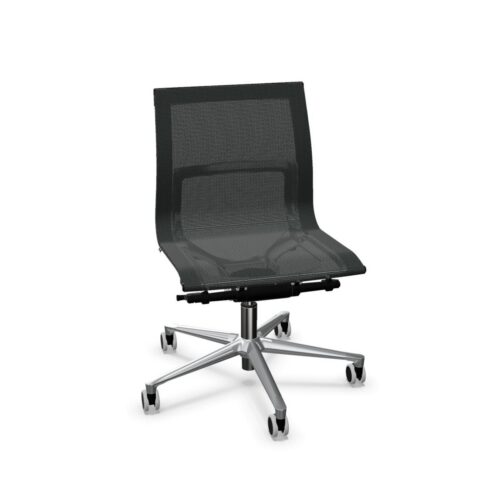


Level B fire-resistance office furniture brings together workplace seating and upholstered pieces identified with this fire-resistance classification in their product information. For procurement teams, it is a useful filter when a project brief, building requirement or furniture schedule calls for a particular level of performance.
Fire resistance should always be assessed in context. The Level B designation relates to the applicable standard and the construction described by the manufacturer, rather than being a general statement that every material or component is fireproof. Check the supporting specification for the relevant test method, product configuration and intended application before making a final selection.
What does Level B fire resistance mean?
Level B is a fire-resistance classification used in furniture specifications. It indicates that the product has been assigned that level under the relevant standard or supplier documentation. In office furniture, the classification is particularly relevant to upholstered seating, soft furnishings and other products containing foams, fabrics, fillings or covers.
The exact meaning of a classification depends on the standard it refers to. Fire-performance requirements can distinguish between ignition sources, materials, finished furniture, covers and fillings. They may also set conditions for testing, such as the assembly being assessed and the way a sample is prepared. A Level B label therefore should not be interpreted separately from its stated standard.
Where compliance is required, ask for the manufacturer’s current technical literature and ensure that it corresponds to the specified product. A change of upholstery, foam, finish or component can affect the documented configuration.
Why the classification matters in workplace procurement
Fire safety is one element of responsible workplace planning. It often sits alongside requirements for durability, ergonomics, cleaning, accessibility, layout and the visual character of a space. Filtering for Level B can help narrow a broad furniture search to options that may suit a defined specification.
- It gives project teams a clear attribute to reference in a furniture schedule.
- It supports comparison between suitable upholstered products during selection.
- It helps facilities, design and procurement stakeholders discuss requirements using a shared classification.
- It encourages early checks of evidence, upholstery choices and product documentation.
- It can be useful when a landlord, client, insurer or project standard sets particular expectations.
Meeting a furniture classification does not replace wider building fire-safety responsibilities. Installation, escape routes, room use, maintenance and the management of other furnishings remain separate considerations for the building operator and project team.
Office furniture where Level B may be relevant
Fire-resistance requirements are most commonly considered where furniture includes upholstered or soft elements. In a typical office scheme, this can include task seating, meeting chairs, lounge seating, booths, sofas and occasional seating. The need for a particular level will depend on the brief and on where the furniture will be placed.
Reception areas, shared breakout spaces, client-facing meeting rooms and higher-occupancy settings can all prompt more detailed specification checks. Equally, a small enclosed meeting room may require a different approach from an open-plan collaboration area. The archive contains products marked with this value, but each item should be reviewed individually for its materials and documented scope.
Understanding upholstery, fillings and finished products
For upholstered office furniture, performance is not necessarily determined by the outer fabric alone. The cover, interliner, foam, padding, frame and construction can all form part of a finished item. A fabric that is suitable in one application is not automatically evidence that a completed chair or sofa carries the same classification.
This distinction matters when selecting a colourway or specifying customer’s-own material. A standard upholstery option may be included within a manufacturer’s documented fire-resistance configuration, while an alternative textile may need separate confirmation. Likewise, reupholstery or later alterations should be considered carefully where the original classification is important.
Information worth checking
- The full name and edition of the standard associated with Level B.
- Whether the evidence applies to the complete product, a component or a particular upholstery combination.
- The precise model, size, base option and finish included in the documentation.
- Any limits on fabric ranges, foams, fillings or other configurable elements.
- The date and source of the technical information required for the project file.
- Whether the client or building has additional fire-safety criteria beyond the furniture schedule.
How to choose Level B furniture for an office
Start with the project requirement, not solely the filter label. Identify which spaces need the classification and whether it applies to every item in a room or only to specified upholstery. Then compare products by their intended use: an operator chair for everyday desk work has different priorities from a sofa for informal waiting or a booth for focused conversations.
Consider the expected occupancy, cleaning regime, movement of furniture and likelihood of replacement parts or reconfiguration. Confirm that the selected version can be supplied in the required fabric and that the relevant documentation covers that version. It is usually simpler to resolve these details before a schedule is finalised than to make changes once an installation plan is in place.
For a broader framework covering room use, dimensions and furniture selection, see Myntwork’s guide to choosing office furniture. It can help place fire-resistance requirements alongside the practical needs of the workplace.
Questions for designers and facilities teams
A clear brief helps avoid treating a classification as a generic product feature. Before placing an order or approving a specification, establish who is responsible for confirming the standard and what evidence the project requires. This is especially important on multi-site projects, refits and schemes with bespoke upholstery.
- Which standard is referenced by the Level B requirement?
- Does it apply to a complete item of furniture or selected materials?
- Are there room-specific requirements from the client, landlord or building manager?
- Will the chosen fabric, finish and configuration remain within the documented scope?
- What records need to be retained for handover and future facilities management?
Where the requirement is contractual or safety-critical, seek confirmation from the manufacturer or an appropriately qualified project adviser rather than relying on a brief product description alone.
Combining compliance considerations with a usable workplace
A considered furniture scheme balances technical requirements with everyday comfort and usability. Seating should suit the work being done, tables should support the intended activity, and circulation should remain practical. In shared spaces, choosing coherent products across work, meeting and informal areas can also make maintenance and future planning more straightforward.
Use the Level B filter as one part of that process, alongside product dimensions, upholstery options, support needs and the character of the space. The wider office furniture collection provides related workplace furniture categories for building a coordinated specification.
Related Myntwork furniture ranges
Products shown under this attribute are a starting point for identifying furniture with Level B noted in its specification. Review individual product details when comparing options, particularly where a project calls for a particular fabric, configuration or supporting documentation. For complementary desks, storage, meeting furniture and seating, browse the wider Myntwork category collection and match each item to the needs of the relevant workplace area.
Myntwork

Myntwork