

ANSI/BIFMA X5.5 office furniture refers to desks and tables associated with a recognised standard for office and institutional furnishings. For procurement teams, facilities managers and workplace designers, this reference can provide useful context when comparing furniture intended for regular professional use.
The standard is particularly relevant where work surfaces will be used day after day in offices, shared workspaces, training settings and other managed environments. It is one consideration alongside dimensions, configuration, materials, maintenance needs and the suitability of a piece for the people and tasks it needs to support.
What is ANSI/BIFMA X5.5?
ANSI/BIFMA X5.5 is a standard concerning desks and tables used in office and institutional settings. ANSI is the American National Standards Institute, while BIFMA is the Business and Institutional Furniture Manufacturers Association. The standard sets out methods and requirements used to evaluate aspects of the performance, safety and durability of applicable furniture.
It is not a description of a furniture style, finish or workplace layout. Rather, it gives manufacturers and buyers a common technical point of reference for products such as desks, work tables and related workstation surfaces. The precise scope of a claim can depend on the product, its construction and the version of the standard cited by its manufacturer.
Why buyers look for this standard
A stated furniture standard can make specification conversations more structured. Instead of assessing a desk or table only by appearance and headline dimensions, buyers can ask how it has been assessed for the demands of its intended setting. This is useful when decisions involve several stakeholders, multiple locations or a documented procurement process.
For organisations leasing furniture, standardisation information can also help create a clearer comparison between options. It may support internal records, tender responses and discussions with health and safety, estates or workplace teams. It should be considered as part of the overall product information rather than as a substitute for checking that the chosen item meets the brief.
- It provides a recognisable reference point for desks and tables.
- It can assist with consistent specification across workplace projects.
- It helps buyers raise relevant questions about intended use and product performance.
- It supports more informed comparisons where similar-looking products have different constructions.
What types of furniture may be relevant?
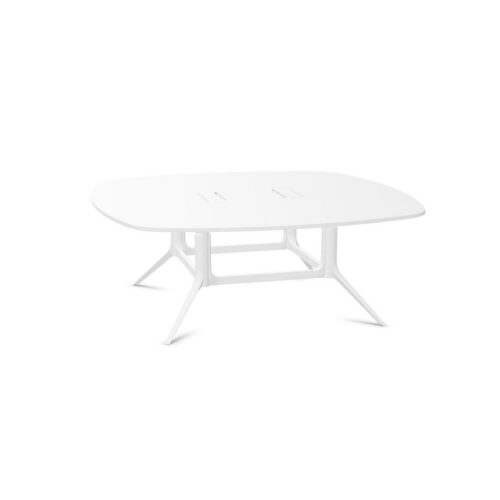
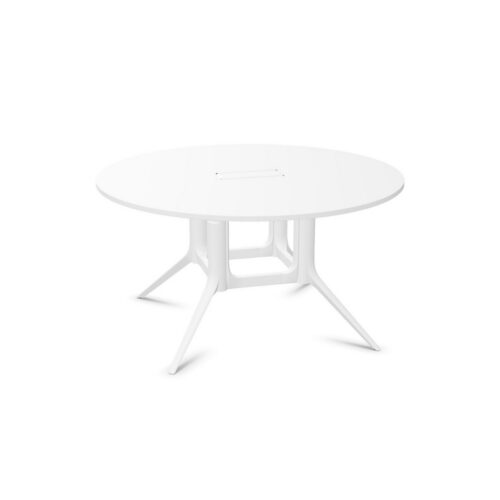
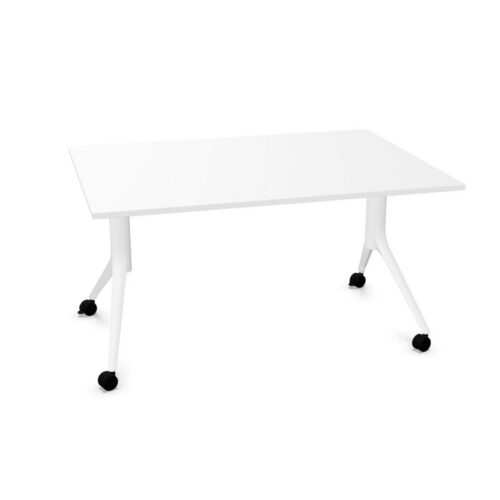
The ANSI/BIFMA X5.5 designation is most closely associated with desk and table furniture. Depending on the individual product and its stated specification, this can include work desks, benching-style work surfaces, meeting tables, training tables and occasional tables intended for workplace use.
Not every table in an office has the same role. A compact side table, a large collaborative table and an individual workstation can have very different loading, access and configuration requirements. Check each product listing for the attributes and documentation that apply to that particular item. The presence of this archive attribute should not be read as a claim that Myntwork has independently retested every product.
How the standard fits into workplace procurement
Standards information is most useful when connected to a practical furniture schedule. Begin with the activities a space must accommodate: focused computer work, team-based tasks, formal meetings, training, touchdown use or a mixture of these. Then consider the number of users, available floor area, access routes, power requirements and the expected pattern of use.
A desk or table may be technically suitable yet still be the wrong choice if its footprint, height, cable provision or finish does not work within the scheme. Conversely, a suitable layout needs furniture that is appropriate for the frequency and nature of use. Reading the product specification alongside a wider guide to choosing office furniture can help keep these decisions connected.
Questions to consider when specifying desks and tables
Before selecting furniture associated with ANSI/BIFMA X5.5, establish what the standard reference means for the exact product under consideration. Product documentation, manufacturer information and the requirements of your own organisation should inform the final decision.
- What task will the desk or table support, and how often will it be used?
- What size, shape and working height are required for the available space?
- Will monitors, docking equipment, screens or shared power need to be accommodated?
- Is the furniture intended for individual work, hot-desking, collaboration or meetings?
- Which product-specific standard claims and documents are relevant to your procurement policy?
- How will the item sit with seating, storage, cable management and circulation routes?
Standards and ergonomic workstations
A desk or table standard does not by itself make a workstation ergonomic for every user. Ergonomics depends on the relationship between the work surface, chair, screen, keyboard, task and individual user. Adjustable chairs, appropriate screen placement and adequate desk depth can all affect day-to-day comfort and usability.
Where desks are being selected for computer-based work, specify seating and work surfaces together rather than in isolation. A chair needs suitable adjustment and the workstation needs enough space for the intended equipment and working posture. Our resource on how to choose an office chair outlines key chair considerations that can be reviewed alongside desk selection.
Using standard references responsibly
A reference to ANSI/BIFMA X5.5 is valuable procurement information, but it does not answer every question about a furniture item. It does not define visual quality, guarantee compatibility with every workplace technology setup or remove the need for normal inspection, installation and care. Nor should it be assumed to apply to accessories, seating or other components unless that is specifically stated.
For a clear audit trail, retain the relevant product details with the furniture schedule and note any project-specific requirements. This approach makes it easier to compare alternatives, manage stakeholder expectations and select furniture that aligns with the practical use of the space.
Related Myntwork furniture planning resources
Desks and tables are central parts of a wider workplace setting, often specified with task seating, meeting furniture, storage and acoustic elements. Explore Myntwork guidance on choosing office furniture and consider chair selection alongside workstation planning through our guide on how to choose an office chair.