Choosing the right Frezza ALPLUS frame
Start by considering how people will use the seating and how much circulation space is available around it. Beam seating frames are useful where several seats need to be organised in a linear arrangement, such as reception zones, visitor areas, touchdown spaces or shared workplace settings. They can also help establish a consistent visual rhythm across a larger room.
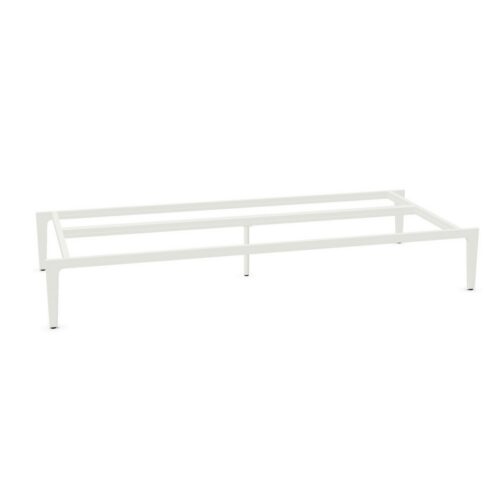
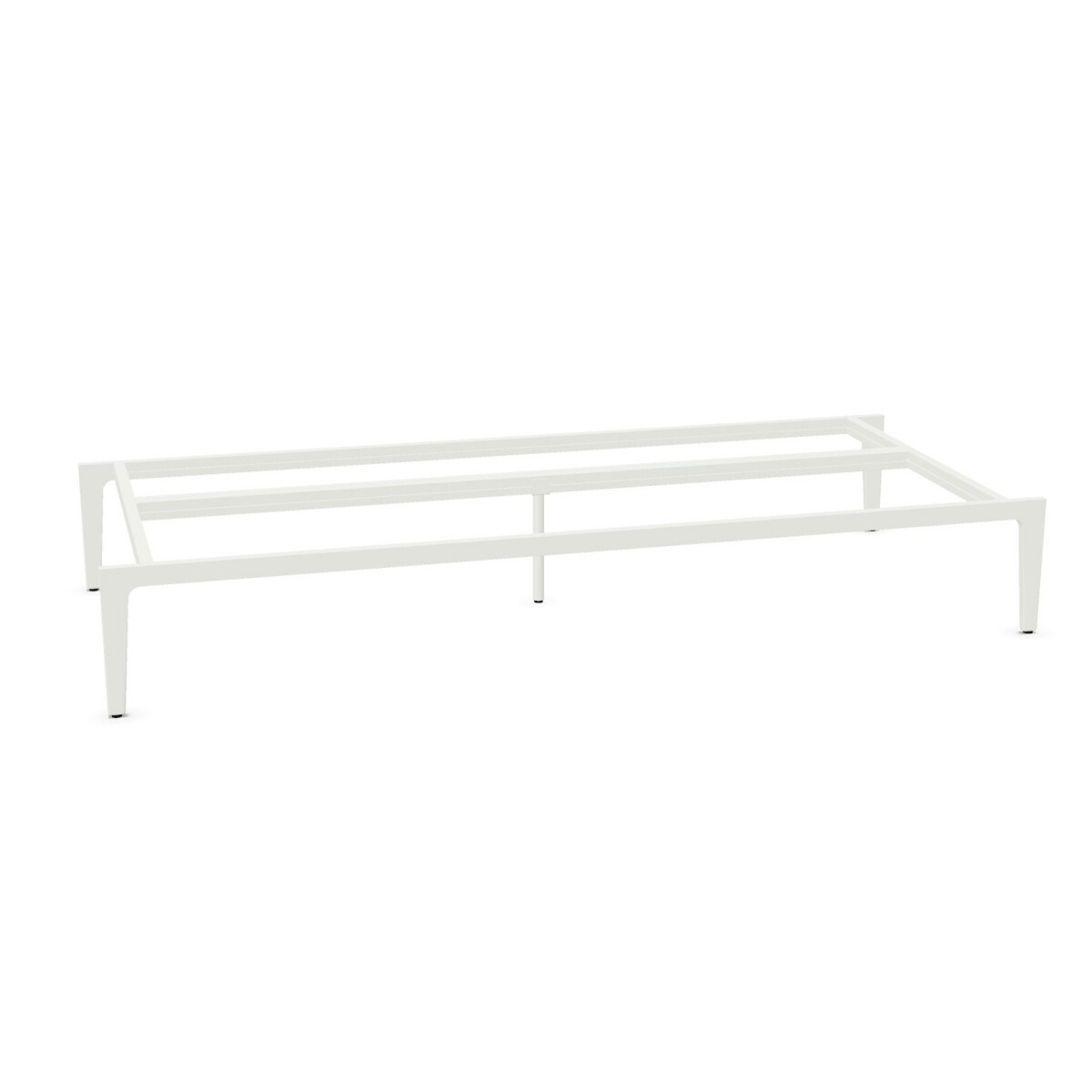
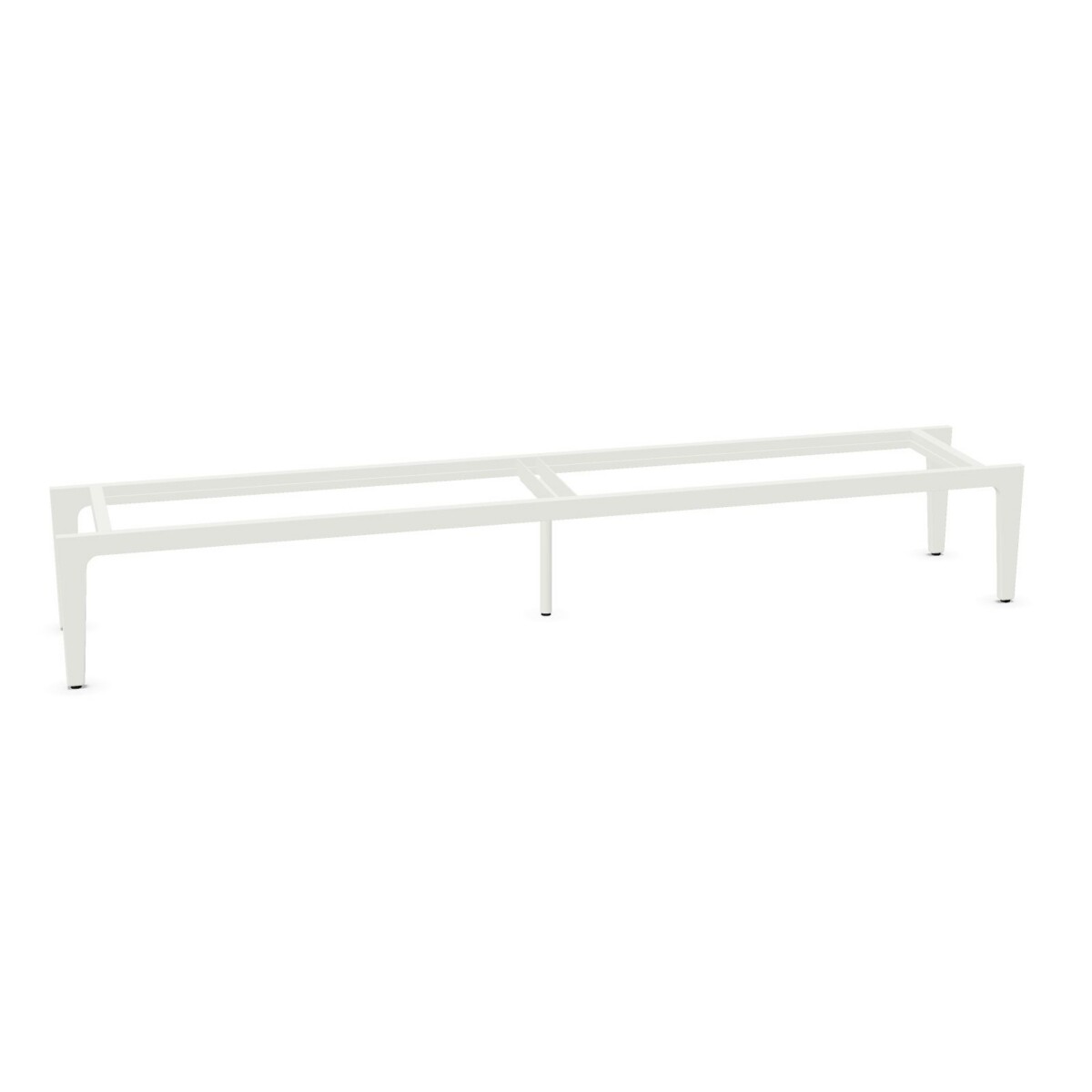
Next, decide whether the seating should work from one side or both sides. The Frezza Alplus Back-To Back Frame Beam Seating Frame is the relevant configuration when seating is arranged back-to-back. The Frezza Alplus Seating 4-Seater Support Structure W240 D44 is the more defined four-seat support option. Reviewing the intended seat arrangement before choosing the frame can prevent mismatches with the rest of the furniture plan.
Dimensions and layout planning
Check width and depth
Width is especially important when frames are being positioned in rows or alongside walls. The supplied collection data includes widths of 120 cm, 180 cm and 240 cm, while listed depths include 44 cm, 104 cm and 120 cm. These measurements should be checked against walkways, adjacent desks, walls and access routes.
The 240 cm dimension appears in both the back-to-back frame description and the four-seater support structure. However, the four-seater model is specifically listed as W240 D44, while the back-to-back model is described with a 240 cm width and a back-to-back format. Use the model-level dimensions rather than assuming every ALPLUS frame has the same footprint.
Finish and specification considerations
ALPLUS frames are metal and can be compared using the collection’s available colour attributes: beige, black, grey, white and silver. Choose a finish that works with the surrounding seating, flooring and interior palette, while also considering whether the frame will be visible from multiple sides.
The product data marks the collection as circular and lists origin as available on request. If those details matter for a project brief or procurement record, confirm the relevant information for the selected model before finalising the specification.
What to check before leasing
- Confirm whether the project needs a back-to-back frame or four-seater support structure.
- Check the exact width and depth of the selected model against the planned floor area.
- Review the available frame colour and how it coordinates with the seating upholstery or surrounding furniture.
- Allow enough clearance for circulation, cleaning and access around the beam seating.
- Verify any project-specific origin or circularity requirements with the supplier.
Myntwork offers Frezza ALPLUS products on a monthly lease, allowing businesses to consider the collection as part of a flexible furniture plan. Once the layout and configuration are clear, compare the available models and request the details needed for your project.
Frequently asked questions about Frezza Beam Seating Frame ALPLUS
What is included in the Frezza ALPLUS collection?
The collection includes two metal beam seating frame configurations: a back-to-back frame and a four-seater support structure. They are intended for use with seating arrangements planned around the selected frame.
How do the two ALPLUS frame types differ?
The back-to-back frame is designed for seating arranged on opposing sides. The four-seater support structure is listed as a support solution for four seats and has a stated size of W240 D44.
Which widths and depths are available?
The collection data lists widths of 120 cm, 180 cm and 240 cm, and depths of 44 cm, 104 cm and 120 cm. Confirm the exact measurements for the individual model before planning the installation.
What frame colours can I compare?
The listed collection colour attributes are beige, black, grey, white and silver. Availability should be checked for the specific ALPLUS frame you are considering.
Which ALPLUS frame should I choose for a larger seating run?
Begin with the planned seat orientation and available floor area. A back-to-back configuration may suit seating on both sides, while the four-seater structure is more appropriate when a defined four-seat support arrangement is required.