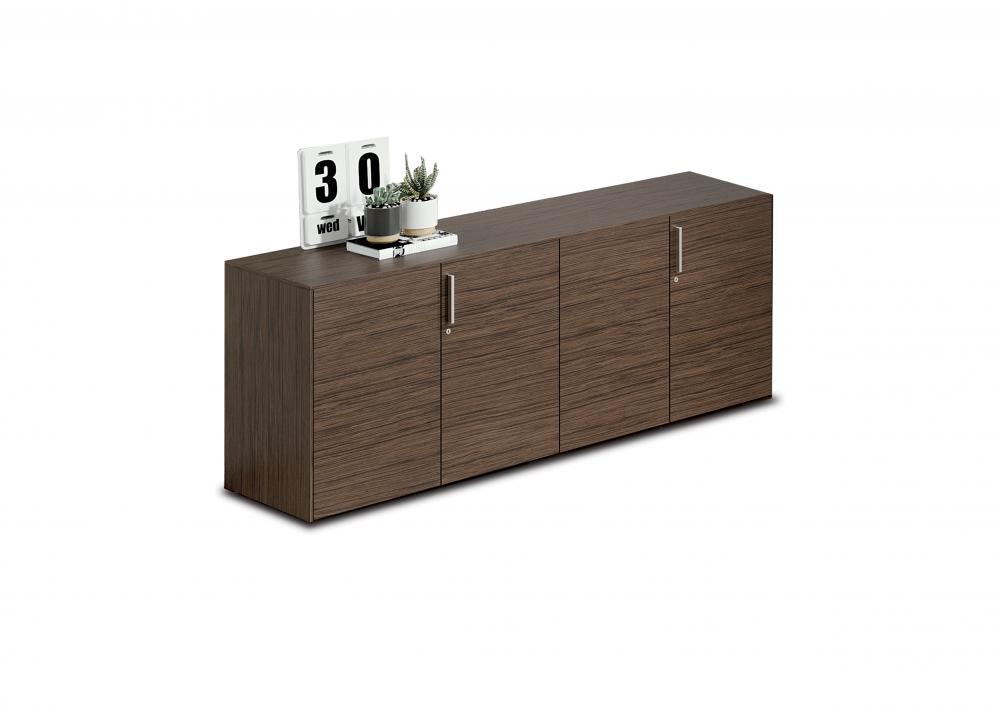
Where Alea storage cabinets can help
Use an enclosed cabinet when supplies, documents or shared equipment need a consistent home rather than an open shelf. In an office, a cabinet can help organise stationery and team resources; in a shared work area, it can keep frequently used materials together and reduce visual clutter. A freestanding design gives you flexibility to position the unit where it is useful, subject to the available floor space and door clearance.
Because the listed models include cylinder locks, the family can also suit settings where access to stored contents should be controlled. A lock is not a substitute for choosing an appropriate storage policy, so consider who needs access and how the cabinet will be managed in day-to-day use.
How to choose between the models
Start with the interior
Think about the size and type of items you plan to store. Models with three shelves provide defined levels for separating contents. If you need a more open interior or intend to arrange the contents differently, consider the listed option supplied without shelves. Check the specific product details before selecting, as shelf configurations are not identical across the family.
Check the door and surroundings
Door style affects both appearance and access. Aluminium-framed acrylic doors offer a different look from the other hinged-door options in the range. For cabinets identified as left-opening or left-hinged, make sure that the opening direction works in the intended position. Allow room for the door to swing without obstructing a desk, walkway or another cabinet.
Match the cabinet construction to the setting
The family includes metal and melamine cabinet options, and the listed details also identify melamine shelving and plastic door material. Some models feature an aluminium frame with an acrylic door. Compare the construction details for the model you are considering rather than assuming materials are shared across every cabinet. Colour choices are available across the range, but check the individual listing for the options offered with each configuration.
What to check before leasing
Before choosing, note the location, the contents to be stored and the access pattern. Confirm the cabinet’s dimensions and opening direction on its product details, then check that the selected shelf arrangement and materials suit the intended use. If several units are being considered, compare each model separately; similar names in this collection can refer to different interiors, door details or cabinet construction.
Myntwork offers Alea storage cabinets on a monthly lease. Once you have narrowed down the configuration, review the individual product information and consider how the unit will fit into your workspace alongside existing furniture. This practical check can help you select a cabinet that supports everyday organisation without choosing features your team does not need.
Frequently asked questions about Alea Storage Cabinet
Do all Alea storage cabinets in this family have shelves?
No. The collection includes models with three shelves and a listed configuration supplied without shelves. Check the details for each model to confirm its interior layout.
Which door styles are available in the Alea cabinet family?
The range includes hinged-door cabinets, including options with aluminium-framed acrylic doors. Some models are identified as left-opening or left-hinged, so verify the opening direction for your chosen unit.
Are these cabinets lockable?
The listed models include a cylinder lock. Check the product details for the specific cabinet you select, and consider who in your workspace should have access.
What materials should I compare when choosing a model?
The family includes metal and melamine cabinet options, with melamine shelving and plastic door material noted in the range details. Some models have aluminium-framed acrylic doors. Confirm materials on the individual listing.
How can I tell whether a cabinet will fit my workspace?
Check the chosen model's dimensions and allow enough room for its hinged door to open. For left-opening or left-hinged models, compare the opening direction with nearby furniture and walkways.