Choose a shape to suit the floor plan
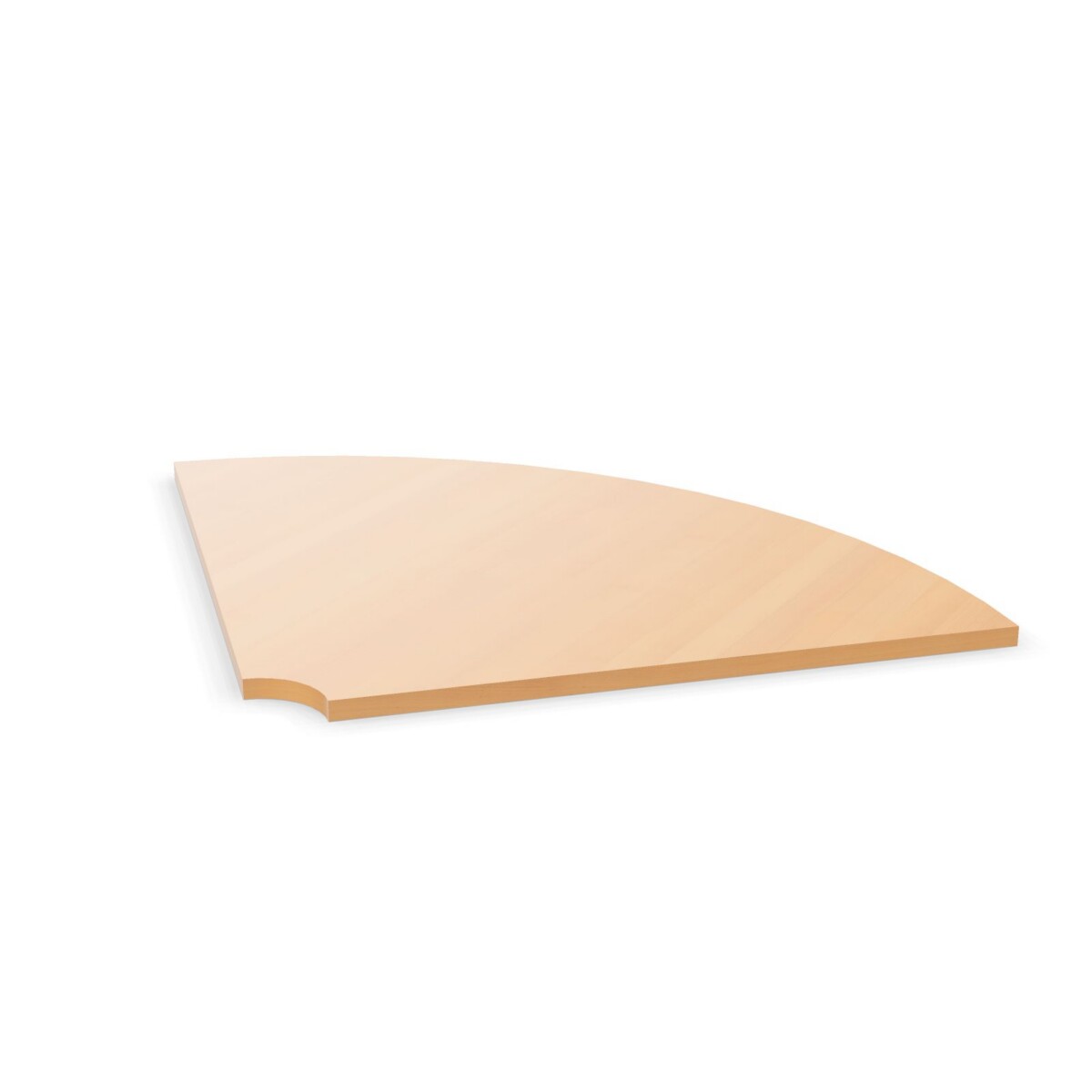
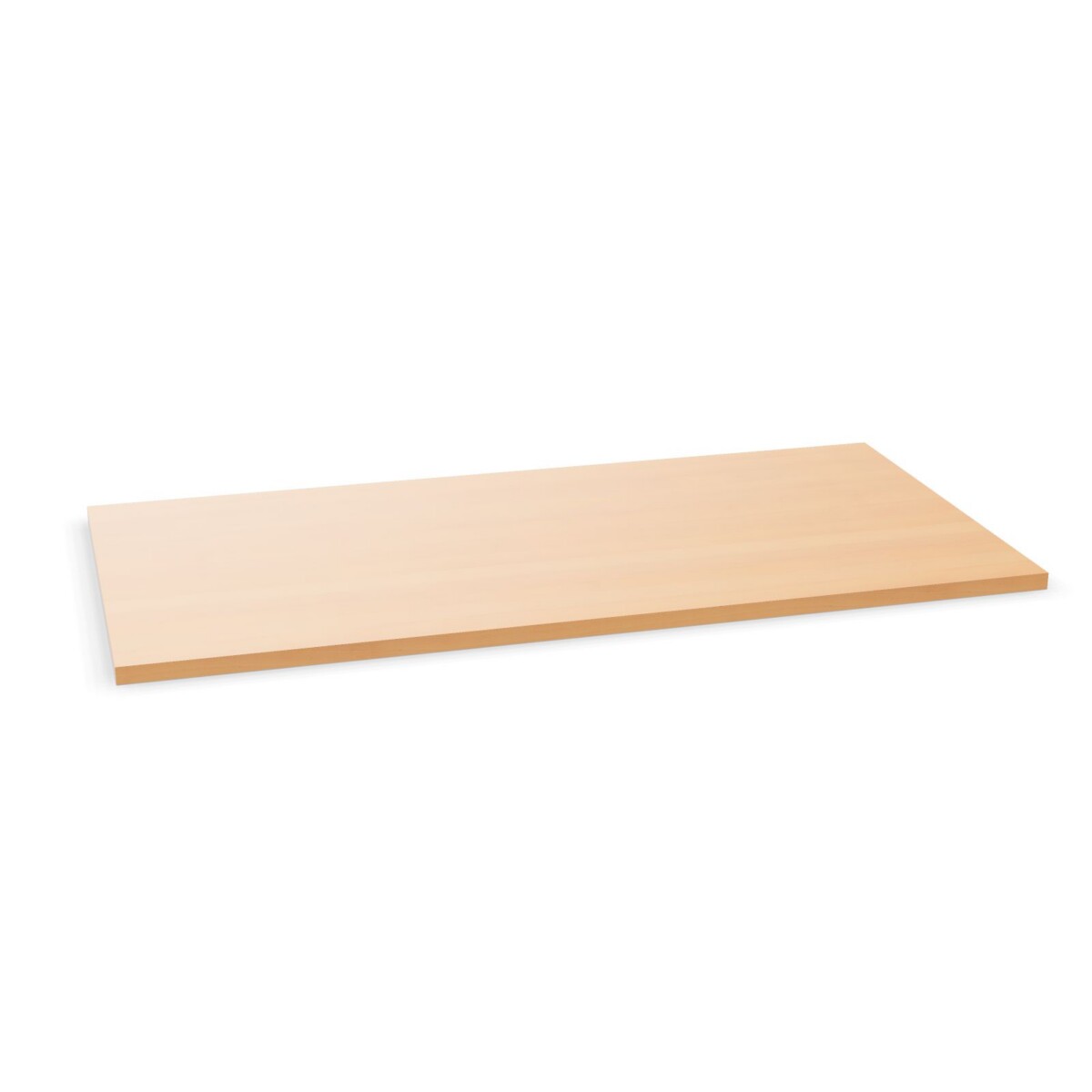
Start with the outline of the workspace. Rectangular tops are a straightforward choice for a conference run or a regular work surface; the family includes a 160 × 80 cm example. For a meeting table made from connected sections, look at the trapezium and radial segment shapes. A quarter-circle section can help form a curved corner, while a right-hand corner top is intended for a corner configuration with that orientation.
Sketch the planned arrangement before ordering, including the position of walls, circulation routes, chairs and any adjoining furniture. Check each top’s width, depth and handedness against the drawing. The right-hand corner models listed in this family are not interchangeable with a left-hand version by assumption; confirm that the specific configuration matches your room.
Compare construction and surface details
Materials and finish
Details for individual models describe lightweight board with real beech veneer, including radially arranged veneer on some shaped tops and clear lacquer on several surfaces. The family attributes also list HPL and oak, so do not treat one material description as universal across all 15 items. Verify the selected model’s product information for its surface material, color and edge finish. Where a wood appearance is important, check whether the listed finish is veneer or another surface option.
Linking and cable planning
Some conference segments are described as linkable. If you are creating a larger table, confirm that the tops you select are intended to join and that their shapes work together. The family information indicates suitability for a cable tray, but the tray is not included; check your specific model and plan cable management separately. These tops are not adjustable, so consider the final working height and supporting setup when planning the complete installation.
What to check before selecting a model
- Measure the space: compare the top’s listed dimensions with available floor area and the room’s circulation needs.
- Match the geometry: distinguish a straight rectangular panel from a radial segment, quarter-circle or right-hand corner section.
- Confirm the details: review material, finish, edge, linkability and cable-tray suitability on the individual product listing.
- Plan the complete setup: check how the top will be supported and whether the adjoining components fit the intended layout.
When comparing options, decide first on the layout and dimensions, then narrow the choice by surface and connection requirements. Myntwork offers Thonet A 1750 products on a monthly lease, so you can consider leasing as part of planning the workspace. Review the individual item information and your complete configuration before making a selection.
Frequently asked questions about Thonet Table Top A 1750
Which Thonet A 1750 top shape should I choose for a conference layout?
Choose according to the outline you need: rectangular tops create straight runs, while trapezium and radial segments can help form a conference arrangement. Check whether the specific segment is linkable and how it aligns with adjoining tops.
Are all A 1750 table tops the same size?
No. The range includes different dimensions and shapes, including rectangular and corner tops. Compare the width and depth on each item with your room plan and intended configuration.
How do I choose between a quarter-circle top and a corner section?
A quarter-circle is a shaped section for forming a curved corner in a layout. A corner section is a distinct corner configuration, and the listed examples are right-hand. Check the product shape, dimensions and orientation against your plan.
Do the table tops include a cable tray?
The family information indicates that a cable tray may be suitable, but it is not included. Check the details for the chosen top and plan any cable tray or other cable management separately.
What materials and finishes are available in the family?
Individual descriptions include lightweight board with beech veneer, sometimes with radial veneer and clear lacquer. The family attributes also list HPL and oak. Confirm the material, color and edge finish on the specific model, as they can vary.