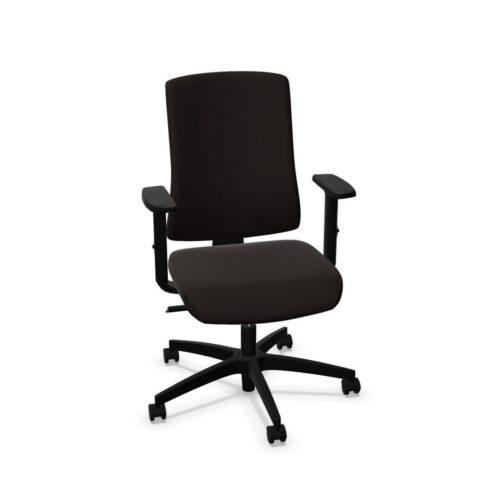
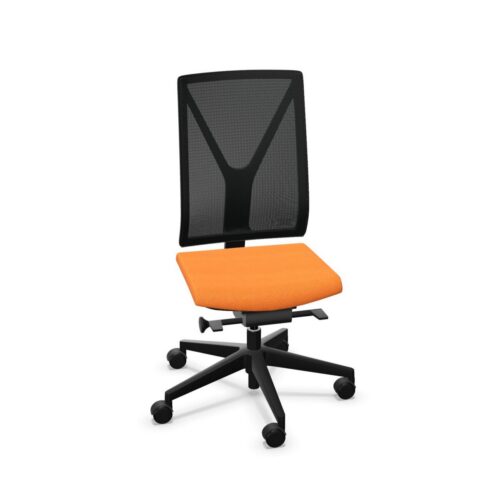
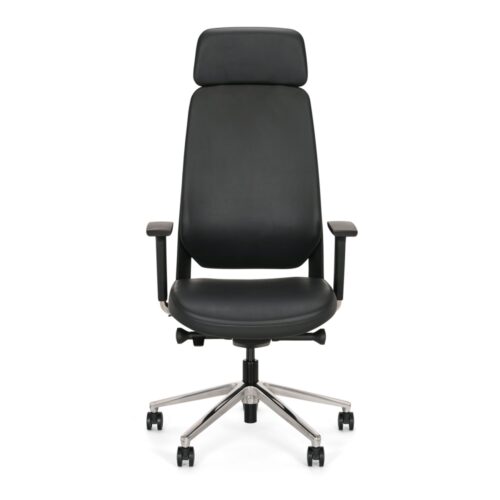
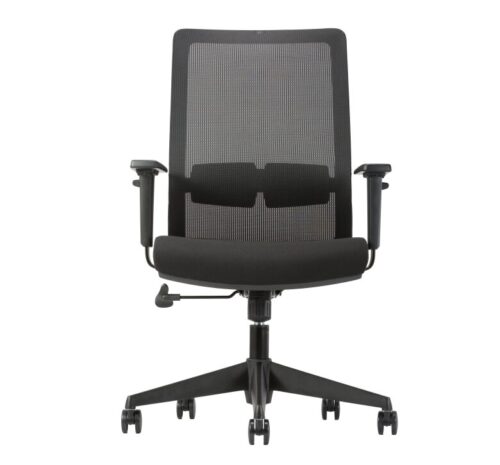
Chairs with adjustable backrest height allow the backrest’s vertical position to be changed as part of the seating setup. This is a different adjustment from raising the seat or changing the angle of the back. Its purpose in a specification is to give the user a way to position the backrest in relation to their body. Compare the available movement and the shape of the backrest together, at the workstation where the chair will be used.
Position the backrest rather than the whole chair
The clearest way to assess this feature is to identify what moves when the control is used. Backrest-height adjustment concerns the position of the backrest relative to the seat. Seat-height adjustment changes the sitting level at the desk. A recline control affects another aspect of the chair’s movement. Review each feature separately in the selected configuration.
Chairs with adjustable backrest height can have different control arrangements. Check how the user raises or lowers the back, how a setting is retained and whether the mechanism is straightforward to operate. A practical demonstration helps the person understand the adjustment before judging which backrest position suits them.
Start from a usable sitting position
Set up the seat in relation to the desk before evaluating the vertical position of the backrest. Consider how the person reaches the work surface and whether they can sit against the back in a normal working position. Where other seat adjustments are supplied, include them in that setup rather than treating the backrest control as a solution to every fit question.
Then move the backrest through its available positions and assess where its shape meets the user. The appropriate position depends on the individual and the form of the chair. Notice how the lower and upper areas of the backrest relate to the person, rather than focusing only on the top edge.
A useful feature for shared workstations
Chairs with adjustable backrest height can be considered where a workstation is used by people with different body proportions. The comparison should include the complete set of adjustments and the ease of changing them. A shared chair needs a setup process that people can understand during the normal pattern of office use.
Make the relevant controls clear when introducing a seating arrangement. Users should know the difference between backrest height, seat height and back movement, where those functions are supplied. Clear instructions make it easier for the feature to serve its intended purpose when a chair changes hands.
Combine height adjustment with back movement
Vertical positioning does not tell you how a chair reclines or whether its backrest follows a change of working position. Review the movement mechanism separately. When comparing chairs with adjustable backrest height, try the backrest in the chosen setting while carrying out the activities expected at the workstation.
For example, a person may sit closer to the desk for keyboard work and lean back while reviewing information. Consider how the backrest meets them during both activities, then review any relevant movement controls. Keep the chosen height setting in context with the way the complete chair is intended to operate.
Specify the adjustment with the user in mind
Check the actual configuration before recording the chair for a project. A product family can contain different backs, seats or control options, so the required adjustment needs to be included in the selected version. Compare the manufacturer’s specification with the features that have been assessed during the seating trial.
Chairs with adjustable backrest height are best selected through that sequence: identify the mechanism, establish a useful seat position, place the backrest and assess the chair in normal work. This keeps the adjustment connected to an actual user requirement and avoids choosing it as an isolated item on a feature list.
For a wider office, record which workstation types need the feature and how users will be shown its operation. A consistent approach to setup can make the seating plan easier to understand while still allowing individual backrest positions within the selected chair configuration.
Myntwork
Myntwork
Myntwork