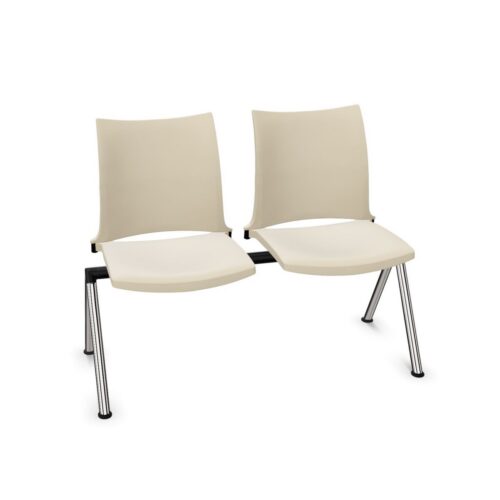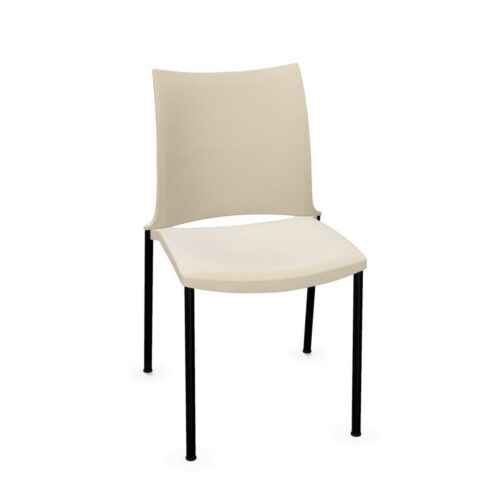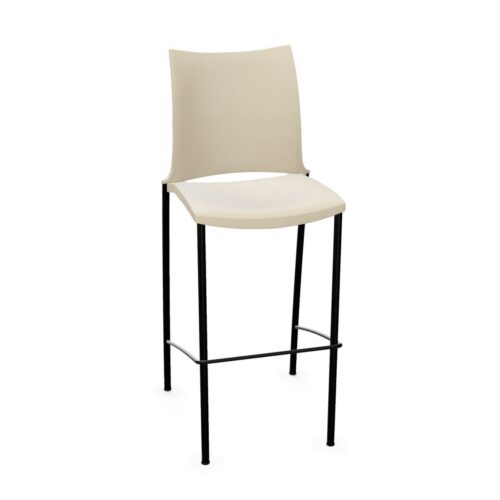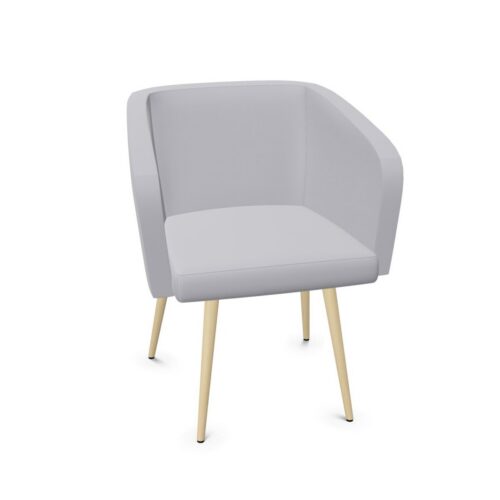


Red-base office furniture brings a deliberate colour accent to the structural parts of a workplace setting: the legs, frame, pedestal, underframe or other supporting elements. This filter identifies products with a red base colour; it does not describe the colour of the desktop, seat, backrest, storage body or upholstery.
For procurement teams and workplace planners, base colour is a useful detail when a scheme needs to feel consistent across different furniture types. A red frame can introduce contrast beneath neutral worktops, connect with existing interior accents, or make selected collaboration areas easier to distinguish without relying on matching every visible surface.
What does a red base colour mean?
Base colour refers specifically to the furniture’s supporting structure. Depending on the product, this may be a metal desk leg, chair frame, table underframe, bench support, stool base or the feet of another workplace item. The red finish may be prominent or relatively discreet according to the shape of the base and the angle from which the furniture is viewed.
It is important to separate this attribute from overall colour. A product listed here may have a white, black, wood-effect or other coloured top or shell, while its base is red. Likewise, a red-upholstered chair is not necessarily included unless its frame or base is also identified as red. Check the individual product specification and imagery when the exact combination of finishes matters to a project.
Why specify a coloured furniture base?
Structural finishes can play a practical role in a workplace palette. They allow a project to repeat an accent colour across desks, seating and meeting furniture while retaining flexibility in the larger surfaces that may be changed or refreshed later. Red can be used as a confident visual marker, particularly where a scheme already contains neutral flooring, walls or worktops.
- Create contrast between a furniture frame and a light or dark desktop.
- Repeat a selected accent through varied product categories without making every surface the same colour.
- Help define the character of informal meeting, breakout or project areas.
- Coordinate new pieces with existing coloured frames, fittings or interior details.
- Use a recognisable visual cue when planning different zones within a larger floorplate.
Colour should nevertheless be considered alongside durability, cleanability, maintenance expectations and the appearance of the finish under the building’s normal lighting. A shade that reads strongly in a product image may look different next to a particular carpet, wall finish or worktop.
Where can red-base furniture be used?
A red base can suit spaces where the furniture is intended to contribute to the visual identity of the room as well as provide a functional place to work, meet or pause. It may be used consistently across a small office, or more selectively to differentiate shared settings from focused work areas.
Common applications include:
- Collaborative zones with tables, benches or seating arranged for team activity.
- Breakout spaces where colour helps create a less formal atmosphere.
- Meeting rooms that need a clear identity within a wider office scheme.
- Reception-adjacent areas and visitor settings where furniture is part of the first impression.
- Training, project or innovation spaces where layouts and furniture types may vary.
- Workstations in a planned colour scheme, paired with complementary screens, storage and task seating.
In quieter settings, a red frame can still work effectively when balanced with restrained surrounding finishes. The appropriate level of contrast depends on the room’s purpose, the amount of natural light and the number of coloured elements already present.
Furniture types to compare
This attribute can apply to a broad range of office furniture because many products have exposed legs or underframes. Desks and tables are often selected for base colour where a shared frame finish is needed across individual and communal work settings. Seating may use red on a five-star base, sled frame or leg structure, while stools and benches can make the support frame a more visible part of the design.
When comparing products, look beyond the headline finish. Consider whether the red component is the main underframe, a smaller supporting element or one option within a multi-part base. For tables, the leg position, crossbar arrangement and clearance underneath can affect both appearance and usability. For chairs, ensure that the specified frame or base finish is the component you intend to coordinate.
How to choose red-base office furniture
Start with the wider palette rather than selecting a frame colour in isolation. Sample worktop, upholstery, flooring and wall finishes together where possible. This helps assess whether the red reads as a controlled accent, a warm complement or a high-contrast feature in the finished environment.
Questions to consider
- Which component needs to be red: legs, underframe, chair base, frame or another support?
- Will the base sit beneath a fixed worktop finish, or does the specification need flexibility across several tops?
- How visible will the frame be once chairs, cable management and personal equipment are in place?
- Should the same base colour be used throughout, or only in particular collaboration and visitor zones?
- Does the furniture’s size, footprint and leg arrangement work with circulation, access and power requirements?
- Are there other finishes in the room that may compete with or soften the red accent?
For a multi-item order, record the required finish against each line rather than assuming that similar-looking products use the same red tone or finish treatment. Product-level details remain the right reference for final specification.
Planning a coordinated workplace scheme
Base colour is one element of a wider procurement decision. Desk dimensions, seating use, storage needs, room capacity and circulation all influence whether a furniture layout will work day to day. A consistent structural finish can provide continuity, but it should support rather than override the practical requirements of each area.
Myntwork’s guidance on choosing office furniture can help frame comparisons across different product types. For layouts involving multiple teams, rooms or activity settings, the office space planning guide provides useful context for considering space and placement alongside finishes.
Related Myntwork furniture ranges
Use this red base-colour filter to narrow products by the visible frame or leg finish, then review each item’s available dimensions, materials and complementary colours. To compare furniture across workplace settings and categories, browse the wider office furniture collection. Category pages are also a useful next step when matching red-framed pieces with desks, seating, tables, storage or furniture for shared spaces.