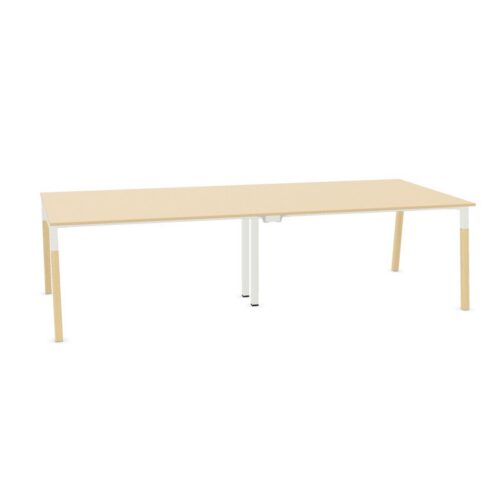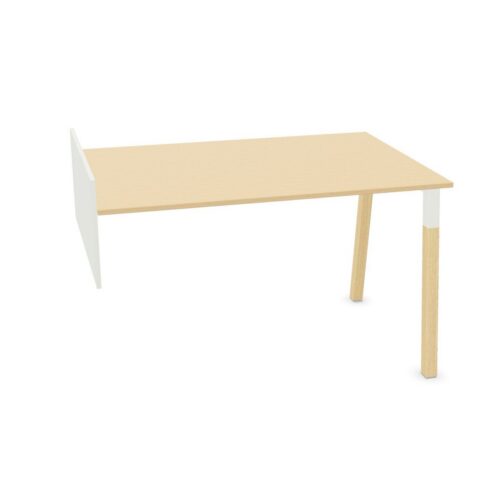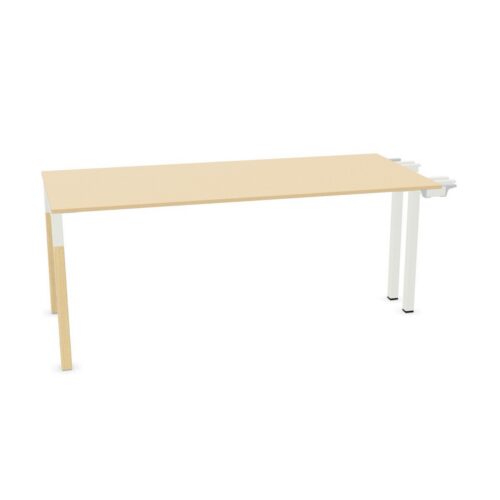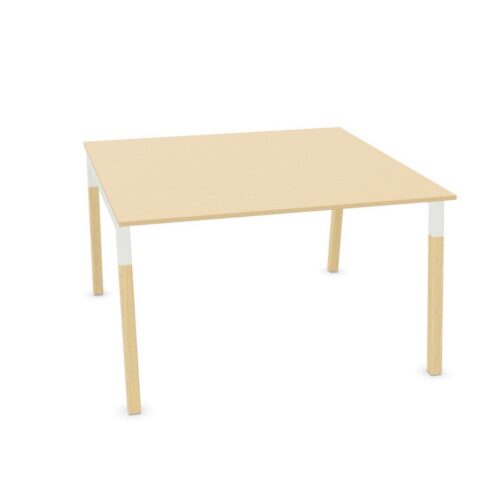


Office furniture with a transparent base brings a light, visually unobtrusive finish to workplace settings. On this page, transparent refers specifically to the furniture base, frame or legs; it does not describe the colour of a tabletop, seat, upholstery or the product as a whole.
Clear or see-through supporting elements can help a piece sit more quietly within an interior scheme while retaining its practical role. The products shown here may vary in material, construction, dimensions and intended use, so the individual product information remains the right place to confirm the specification for a particular project.
What does a transparent base mean?
A transparent base is a supporting structure with a clear appearance rather than an opaque painted, plated or coloured finish. Depending on the product design, this may apply to legs, a pedestal, a frame, a support panel or another visible load-bearing element.
This is an appearance-based filter. It is useful when coordinating furniture around a particular visual brief, but it should not be treated as a guarantee that every other component is transparent. A chair may, for example, have a transparent lower structure alongside a coloured shell, while a table may pair clear supports with a contrasting work surface.
Why choose clear-looking frames and legs?
Transparent supporting elements can reduce the visual weight of furniture, particularly where several pieces share the same room. They can be considered for schemes that need to preserve sightlines, let other finishes take precedence or maintain an open feel around circulation areas.
- They can support a lighter visual treatment in compact rooms and shared spaces.
- They allow flooring, walls and nearby furnishings to remain more visible.
- They can complement contemporary, minimal or mixed-material interiors without introducing another dominant base colour.
- They may be helpful where furniture needs to work alongside existing glass, clear screens or pale finishes.
The aesthetic effect will depend on the full product, its scale and the surrounding setting. A transparent base does not automatically make a room feel larger, nor does it replace considered furniture layouts and clear access routes.
Where can transparent-base furniture be used?
Furniture with clear bases, legs or frames may be considered across a range of commercial environments. It can be relevant where visual calm is as important as the functional role of the item.
In reception and visitor areas, a less visually solid base can help seating or occasional furniture blend with the wider interior. In meeting rooms, it may suit spaces where the table, chairs and technology need to coexist without creating a heavy overall composition. Breakout areas, studios and client-facing spaces can also benefit from a finish selected to complement the room rather than compete with it.
For open-plan workplaces, the choice should sit alongside practical planning decisions: workstation positions, routes between teams, access to storage, cable requirements and the activities taking place nearby. The office space planning guide provides useful context for assessing those wider layout considerations.
Product types to compare
This filter can include different furniture categories, as transparent details are used in more than one type of workplace product. Rather than assuming that a particular category is present, use the product listing and individual descriptions to identify designs suitable for the intended application.
- Visitor, meeting or occasional seating with clear supporting components.
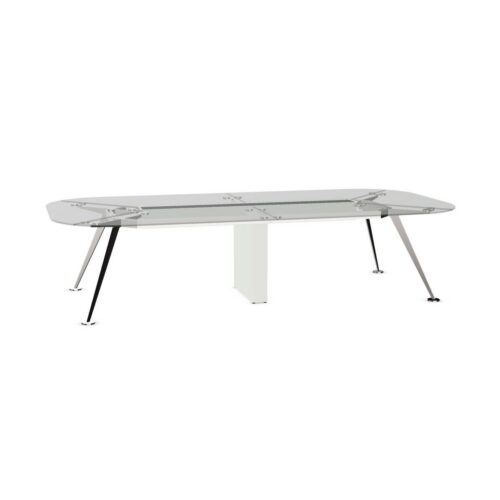
- Tables or occasional pieces with transparent legs, frames or pedestal elements.
- Reception, breakout or collaborative furniture designed with visually light structural details.
- Specialist workplace pieces where the visible base forms part of the overall design language.
Compare dimensions, use case and component finishes carefully. Two items may both have transparent bases but perform very differently in terms of seating capacity, worktop area, mobility, adjustment or suitability for a particular zone.
How to select the right option
Begin with the role the furniture must perform, then use base colour as one part of the selection process. Consider who will use the item, how often it will be moved or cleaned, how it relates to adjacent furniture and whether clear structural elements are appropriate for the setting.
It is also worth viewing the transparent base in relation to the full palette. Confirm the colour and material of the top, shell, upholstery, edge detail and any fittings separately. This helps prevent a finish mismatch when the aim is to coordinate with existing furniture or a defined interior specification.
Questions to consider
- Which component is transparent: the legs, frame, pedestal or another base element?
- What are the colours and materials of the remaining visible parts?
- Does the size suit the available footprint and maintain suitable circulation?
- Will the item be used for focused work, meetings, waiting, dining or informal collaboration?
- How will the finish relate to flooring, partitions, screens and nearby storage?
- Are there cleaning, handling or maintenance considerations for the chosen design?
Transparent bases within a coordinated scheme
A clear base can be a useful linking detail in a scheme containing multiple finishes. It may soften the transition between darker seating, light work surfaces, timber accents or coloured feature pieces by avoiding a strongly contrasting lower frame. Equally, it can be selected to make the form of a chair or table more prominent without adding visual density at floor level.
For larger projects, assess samples, photographs and product dimensions together rather than selecting on colour terminology alone. The same description can look different depending on lighting, adjacent materials and the proportion of clear components in the design. Guidance on choosing office furniture can help frame those decisions around the needs of the workplace.
Related Myntwork furniture ranges
Transparent base colour is one way to refine a furniture search, alongside the product category, size, function and other available finish attributes. To compare options across the wider workplace, browse the Myntwork office furniture collection and use the relevant category pages to focus on the furniture type required for your project.



Frezza