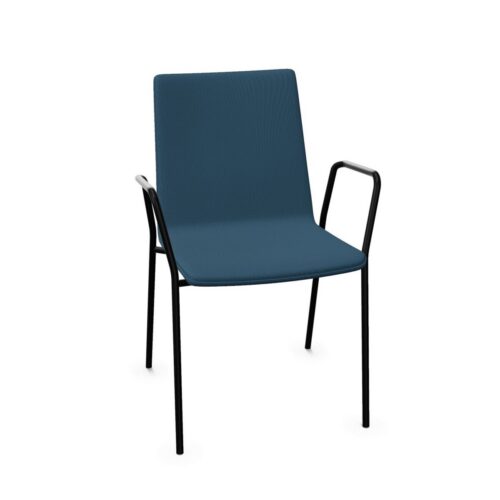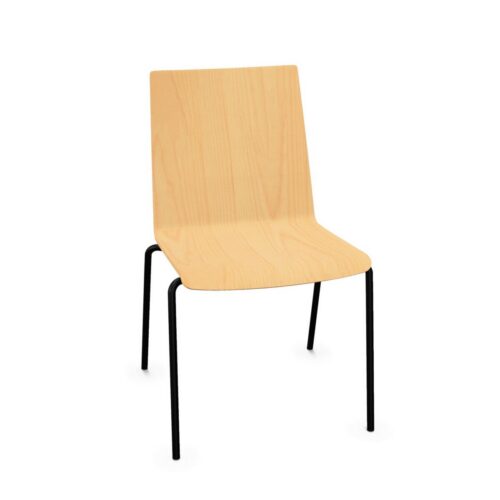


White-base office furniture brings a clean, coordinated look to workplaces where the frame, legs or supporting structure form part of the visual scheme. This filter covers furniture with a white base colour; it does not indicate the colour of the desktop, storage body, seat upholstery or other visible surfaces.
A white base can work across a wide range of commercial settings, from light-filled open-plan offices to meeting rooms, cafés and reception areas. When specifying leased furniture, it is useful to assess the base colour alongside dimensions, materials, intended use and the finishes already present in the space.
What does a white base colour mean?
Base colour refers specifically to the structural elements that support a product. Depending on the item, this may include desk legs, table frames, chair underframes, pedestal bases, metal sled legs or other load-bearing components. A product listed here has a white base, but its top, shell, body or upholstery may be supplied in a different colour or finish.
This distinction matters when comparing furniture. A desk with a white frame may have a timber-effect, white, grey or coloured worktop, while a chair with white legs may have fabric or plastic seating in another shade. Check the individual product information when a precise finish combination is required for a project.
Why choose furniture with white frames or legs?
White structural finishes are often selected for their understated appearance and their ability to sit comfortably alongside neutral, pale or colourful interior palettes. They can make furniture outlines feel less visually heavy, particularly where numerous desks or tables are arranged together.
- They can support a bright, uncluttered visual approach without dictating the colour of worktops or upholstery.
- They pair readily with light timber, white laminate, grey surfaces and many accent colours.
- They can provide a consistent detail across desks, meeting tables, seating and breakout furniture.
- They may help create visual continuity where white walls, partitions or storage are already part of the fit-out.
Appearance is only one part of the decision. The suitability of a white base also depends on how the furniture will be used, the level of cleaning required and whether the finish aligns with other specified components.
Where white-base furniture is commonly used
White frames and legs are used in many workplace environments because they can complement both contemporary and more restrained schemes. In open-plan areas, matching desk frames can help rows of workstations read as an organised whole. In meeting spaces, a white table base can be combined with a top chosen to suit the room’s character.
They are also relevant in collaborative zones, training rooms and informal touchdown areas, where tables and seating may be moved, regrouped or viewed from several angles. Reception and client-facing spaces can use white-base pieces as part of a calm, considered arrival area, provided the overall material and maintenance requirements are appropriate.
Furniture types available with white bases
The products shown on this archive may span different furniture categories. Availability and specification vary by product, so the white base filter should be used alongside category, size and feature filters to narrow a shortlist.
- Desks and benching systems with white metal legs or frames.
- Meeting, boardroom and café tables with white supporting structures.
- Task, visitor and breakout seating with white bases, legs or underframes.
- High tables, poseur tables and stools where the base contributes to the overall finish.
- Selected storage, accessories and collaborative pieces with white structural elements.
For a broader starting point, browse the office furniture collection before refining by product function and finish.
Co-ordinating a white base with other finishes
A white base is most effective when considered as one layer of a wider finish schedule. Start with the surfaces that occupy the greatest visual area, such as flooring, wall finishes, desk tops and storage fronts. The frame colour can then act as a quiet supporting detail or as a deliberate contrast against darker materials.
For example, white legs can soften the look of a darker table top, while a pale top and white frame can create a more tonal scheme. In spaces with black task chairs or dark storage, white desk bases may introduce contrast without changing the practical layout. Where several product types are being leased, reviewing samples or product images together can help avoid unintentional variation between shades of white.
How to choose the right white-base furniture
Begin with the function of the space rather than the finish alone. A workstation needs the right work surface, cable-management approach and configuration for its users. A meeting table needs to suit participant numbers, circulation and technology requirements. Seating should be selected for the intended duration and style of use.
Questions to consider
- Which component is white: the legs, central base, full frame or only part of the understructure?
- What colour and material are the top, shell, body or upholstery?
- Will the item sit beside existing furniture with white, silver, black or timber frames?
- How will the space be cleaned and maintained in day-to-day use?
- Does the product’s size, adjustment range and layout suit the planned workplace?
- Are matching or complementary items needed elsewhere in the project?
These considerations are particularly useful when comparing visually similar products with different construction, proportions or usage purposes. Guidance on choosing office furniture can help place finish decisions within the wider procurement process.
Planning white-base furniture across an office
Using one frame finish across several zones can make a multi-purpose office feel connected, even where worktops, seating and room functions differ. It may be appropriate to carry white bases from individual desks into meeting tables and collaborative settings, while varying top finishes to define each area.
Allow for circulation, access to storage, power provision and the visual relationship between furniture and architectural features. A white frame does not remove the need to assess footprints and clearances, especially in compact offices or shared spaces. The office space planning guide provides a useful reference when developing layouts around workstations, meeting areas and shared facilities.
Related Myntwork ranges
Use this white base colour archive to compare structural finishes across relevant product types, then review each listing for its complete material, colour and configuration details. For furniture organised by function, explore the Myntwork category pages and combine filters to identify desks, tables, seating and other workplace pieces that suit the planned interior scheme.