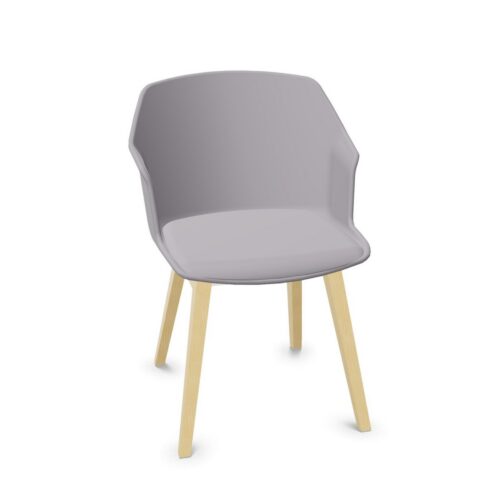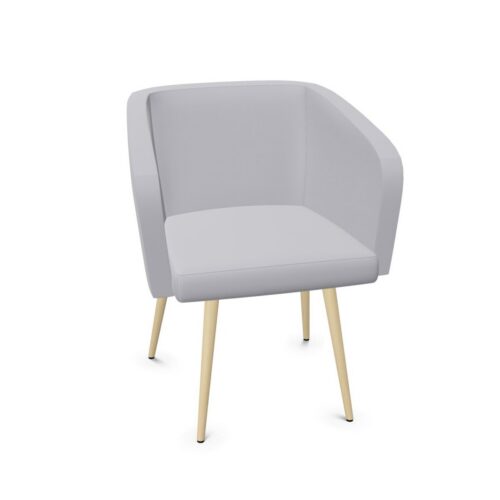


Office furniture with a wood-coloured base brings a warmer, more natural-looking finish to the structural elements of a workspace. This filter refers specifically to the base, frame or legs of a product; it does not describe the colour of the tabletop, seat, backrest, storage body or upholstery.
A wood base can sit comfortably within a wide range of commercial interiors, from client-facing meeting areas to relaxed breakout settings and focused workspaces. The products shown here may use different construction methods and wood-effect finishes, so the individual product specification should always be checked when material, tone or durability is important to the brief.
What does a wood base colour mean?
Base colour identifies the visible finish of the supporting parts of furniture. On a chair, this may mean the legs or underframe; on a table or desk, it can refer to the legs, pedestal, trestle or frame; and on occasional furniture it may describe the supporting structure beneath the main surface.
Wood is a colour and finish classification in this archive, rather than a guarantee that every base is made from solid timber. Some products may have natural wood components, while others may use a wood-look finish over another material. Product imagery, descriptions and technical details provide the appropriate level of confirmation for a procurement decision.
Why choose wood-coloured furniture bases?
Wood tones can help balance the practical character of workplace furniture with a more domestic or hospitality-inspired feel. They are often specified where a scheme needs visual warmth without making every surface the same colour or material.
- They can soften the appearance of meeting, dining and collaborative spaces.
- They pair naturally with neutral, white, black, green and blue furniture finishes, depending on the selected tone.
- They can create continuity with timber flooring, joinery, wall finishes or existing workplace furnishings.
- They provide a useful contrast where tabletops, shells or upholstered seats have a plain or darker finish.
The effect will depend on the shade of the base, surrounding daylight, artificial lighting and adjacent materials. A pale oak-style base will read differently from a deeper walnut-style tone, even where both are grouped under wood.
Where are wood bases commonly used?
Furniture with wood-finished legs and frames is frequently used in areas intended to feel welcoming, conversational or less formal than a conventional workstation zone. It can also provide a consistent visual thread between distinct spaces in a larger office.
- Reception and visitor waiting areas.
- Meeting rooms, project rooms and informal discussion points.
- Breakout spaces, cafés and staff dining areas.
- Collaborative zones with lounge seating, poseur tables or occasional tables.
- Training rooms and flexible multipurpose spaces.
- Homeworking settings and smaller satellite offices.
For front-of-house environments, consider how the base colour relates to the broader interior palette. In operational areas, assess whether the selected finish is appropriate for the expected cleaning routine and level of daily use.
Furniture types available with wood-coloured bases
This attribute can apply across several furniture categories. Seating is a common example, including chairs with four wooden legs, stools with wood frames and lounge pieces supported by timber-look feet or bases. Tables may combine a wood-coloured base with a contrasting worktop or tabletop, allowing the structure and upper surface to be selected separately.
The archive may also include desks, benches, occasional tables and other pieces where the support structure has a wood finish. Availability varies by product range, so filtering by base colour is a useful starting point rather than a substitute for reviewing each item’s dimensions, material information and intended application.
Co-ordinating base colour with other finishes
Because this filter does not define the overall colour of a product, it is worth considering the base as one part of the scheme. A chair with wood legs may have a coloured shell or upholstered seat, while a table may have a white, black, light or dark top. This flexibility can be valuable when a workplace requires a consistent base treatment across different furniture types.
For a cohesive result, establish whether the project calls for matching timber tones or a deliberate mix. Exact colour matching across suppliers and materials is not always possible, particularly between veneer, laminate, stained timber and wood-effect finishes. Samples, imagery and product specifications can help confirm whether tones will work together in the intended setting.
How to select furniture with a wood base
Start with the function of the furniture and the conditions in which it will be used. A meeting chair, café stool and executive desk can all have wood-coloured bases, but their requirements for comfort, footprint, maintenance and movement will be different.
Questions to consider
- Is the wood base intended to match existing flooring, joinery or other furniture?
- Which other colours need to sit alongside the base, including upholstery and tabletops?
- Will the furniture be moved, stacked or reconfigured regularly?
- Does the space receive strong daylight that may change how the finish appears?
- What cleaning and maintenance approach is suitable for the environment?
- Do dimensions, access routes and room layout support the chosen product?
When comparing options, assess the full product rather than the base colour alone. The design, support type, surface finish and intended use should all align with the workplace brief.
Planning a considered workplace scheme
A wood-coloured base can be used as a recurring detail across a workplace without requiring identical furniture in every room. For example, meeting chairs, breakout tables and occasional seating may share a similar warm base finish while serving different practical needs. This approach can make varied zones feel connected while leaving room for changes in upholstery, tabletop colour and scale.
For broader product choices, view the office furniture collection. Guidance on matching furniture to operational requirements is available in our resource on choosing office furniture, while the office space planning guide can help place furniture choices within the wider layout.
- Reset all
- Soft seating