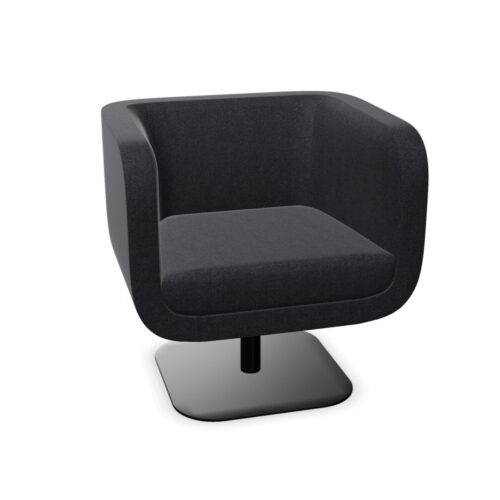


Yellow base office furniture brings a distinct frame, leg or structural colour into a workplace scheme while leaving the work surface, shell or upholstery free to follow a separate finish. This archive brings together furniture specified with a yellow base, rather than furniture that is necessarily yellow overall.
For procurement and planning teams, base colour is a useful detail to record alongside dimensions, materials, functions and intended location. A yellow frame can make a seating, table or storage design easier to identify within a larger scheme, or introduce a controlled accent where stronger colour is appropriate.
What does a yellow base mean?
On this page, yellow refers specifically to the visible base, legs, frame or supporting structure of a product. Depending on the item, this may be a powder-coated metal frame, a painted leg assembly, a cast base or another structural component.
It does not describe the colour of the complete product. A table with a yellow base may have a neutral, wood-effect or contrasting top; a chair may combine a yellow frame with a different seat shell or upholstered finish. Always review the individual product specification and imagery when matching finishes across a project.
Why specify a yellow frame or leg colour?
Colour can help distinguish zones and product groups without relying solely on signs or furniture layout. Yellow bases can create a recognisable visual thread across selected pieces while retaining flexibility over tops, fabrics and surrounding finishes.
- Support wayfinding between different work, learning or collaboration areas.
- Introduce an accent colour into otherwise restrained interior palettes.
- Help create a consistent identity across selected tables, chairs or ancillary pieces.
- Provide visual contrast around a base or frame, depending on the floor and finish selected.
The effect will depend on lighting, nearby materials and the amount of yellow used. It is generally worth considering a sample, finish swatch or product image in the context of the planned space before finalising a larger order.
Where yellow-base furniture can be used
A yellow structural finish may suit settings where colour is part of the design language or where different areas need a readily legible character. It can be used as a small accent in a formal office as well as more prominently in creative, educational or shared environments.
- Breakout areas and informal meeting spaces.
- Collaboration zones, project rooms and team neighbourhoods.
- Reception, café and social spaces.
- Training rooms, studios and learning environments.
- Agile work areas where furniture groups are used to define activity zones.
In client-facing spaces, consider how the base finish works with flooring, wall colours and brand elements. In operational areas, assess whether the colour supports practical identification without making the environment visually busy.
Furniture types with yellow bases
The yellow-base filter can include different furniture categories, as base construction varies by product. It may be relevant to seating with coloured legs or pedestal bases, tables with coated underframes, stools, benches and occasional furniture. The available selection can change as ranges and configurations are updated.
When comparing products, do not assume that two yellow bases use the same tone, coating, material or construction. “Yellow” can cover differing shades and appearances between manufacturers and product families. Check whether the colour applies to all structural elements or only a particular part of the base.
How to choose the right yellow-base furniture
Start with the role of the furniture, then establish the required dimensions, capacity and performance features. Base colour should complement those decisions rather than replace them. For example, a meeting table needs to suit its room size and seating arrangement; a chair needs to suit its intended duration of use and setting.
Consider the relationship between the yellow base and other finishes. A darker floor may make the frame more prominent, while a similar-toned surrounding can soften the contrast. On tables, check the proposed top finish separately. On seating, review the shell, mesh or upholstery options independently from the frame colour.
Questions to consider
- Which component is yellow: legs, underframe, pedestal, castors or the whole base assembly?
- Is the finish intended as an occasional accent or a repeatable element across several zones?
- Will it coordinate with the chosen tabletop, seat finish, flooring and wall palette?
- Are the product dimensions and functions appropriate for the planned use?
- Does the same range offer compatible items for a coherent project specification?
Planning colour within a wider office scheme
Base colour works most effectively when considered as one part of a wider furniture and space plan. Repeating a yellow frame across a limited set of products can connect areas without requiring every item to match. Alternatively, using it only in a particular zone can help give that area a distinct identity.
Balance visual choices with practical planning requirements such as circulation, desk positions, meeting capacity and access to power where relevant. Our office space planning guide provides useful context for arranging furniture around the way people use the workplace.
Reviewing product details before specification
Use this archive as a starting point for identifying furniture with a yellow base, then assess each product on its own merits. Confirm the stated base finish, dimensions, configuration options and any associated finishes before adding it to a schedule. This is particularly important where a coordinated appearance is needed across multiple products or locations.
For broader advice on balancing function, finish and workplace requirements, see our guide to choosing office furniture. You can also browse the wider office furniture collection to compare categories and finishes beyond this yellow-base selection.