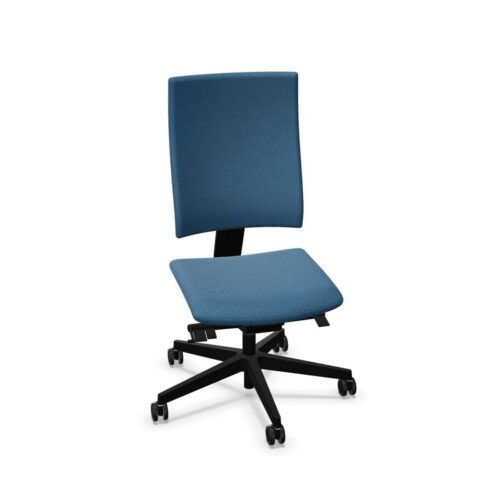


Aluminum base office furniture brings together workplace pieces supported by aluminium bases, frames or legs. On this archive, the value refers specifically to the supporting structure rather than the top, shell, upholstery or overall finish of the product.
Aluminium is widely used across office seating, tables and collaborative furniture because it can provide a practical, clean-lined support structure without making a product unnecessarily heavy. The exact construction, finish and suitability will vary by item, so the product specification remains the right place to confirm the details needed for a particular project.
What does an aluminum base mean?
A base is the part of a furniture item that transfers load to the floor and supports the working components above it. Depending on the design, it may be a five-star chair base, a sled frame, four legs, a pedestal, a central column or a table frame.
Products in this selection identify aluminium as the material used for that supporting element. This does not necessarily mean that every visible metal component is aluminium, nor that the whole item has an aluminium appearance. A chair may have an aluminium base with a fabric seat and back, for example, while a table may pair an aluminium frame with a different tabletop material.
Why base material matters in office procurement
Base material is a useful comparison point when specifying furniture for a shared workplace. It affects the construction approach, the visual character of the piece and how it may coordinate with other products in the scheme. For procurement teams, recording this detail also helps create clearer schedules when several finishes and configurations are being considered.
- Visual consistency: aluminium bases often suit contemporary schemes and can sit comfortably alongside other metal-framed furniture.
- Practical handling: the material is commonly selected where a manageable balance of support and weight is required.
- Specification clarity: filtering by base material separates the support structure from choices such as upholstery, worktop and shell finishes.
- Project coordination: a defined base material can help align seating, meeting furniture and ancillary pieces across a floorplate.
The material alone does not determine durability, load capacity, mobility or cleaning requirements. Those factors depend on the complete product design, its intended use and the care guidance supplied for it.
Furniture types with aluminium bases
Aluminium supporting structures occur in a broad range of workplace furniture. Task and meeting chairs may use cast or formed aluminium bases, often with castors or glides according to their intended setting. Lounge seating and visitor chairs can use aluminium legs or sled-style frames, while tables may be supported by aluminium legs, beams or central bases.
Within a larger office furniture collection, this makes the filter useful for projects that need a coherent material language across different work settings. It can also help narrow a large catalogue where the same product family is offered with alternative base constructions.
Where aluminium-base furniture is commonly used
The right location is determined by the individual item rather than the base material alone, but aluminium-supported furniture is often considered for settings where a neat, durable-looking and adaptable visual finish is wanted. This may include:
- individual workstations and touchdown areas;
- meeting rooms with task, conference or visitor seating;
- reception, waiting and informal collaboration spaces;
- training rooms that require coordinated chairs and tables;
- café-style breakout areas and shared social spaces.
In each case, check the proposed flooring, the type of feet or castors, the required movement around the furniture and the cleaning regime. A base that works well on carpet may need a different glide or castor arrangement for hard flooring.
How to choose an aluminium base
Start with the job the furniture must perform. For seating, consider whether users need adjustment, rotation, movement or a fixed position. For tables, consider the required top size, leg placement, clearance for chairs and cable access. The base should support everyday use without obstructing circulation or access around the space.
Next, review the visible finish. Aluminium may be polished, painted, coated or otherwise finished, and its appearance can range from bright and reflective to muted and understated. Compare it with the surrounding furniture, hardware and interior palette rather than assuming all aluminium bases will match one another.
Questions to consider during specification
- Is the base material visible enough to influence the overall interior scheme?
- Will the furniture be moved frequently, or remain in a fixed location?
- What floor surface will sit beneath the legs, glides or castors?
- Does the layout need space for wheelchair access, chair movement or cleaning equipment?
- Are there matching products in the required sizes, upholstery options or tabletop finishes?
- What maintenance information applies to the complete item and its specific finish?
Looking after aluminium supporting structures
Routine care should follow the guidance for the individual product, particularly where the base has a painted, coated or polished finish. In general, keeping surfaces free from accumulated dust and promptly dealing with spills or marks can help maintain their appearance. Avoid assuming that a treatment appropriate for one metal finish is suitable for every aluminium component.
For movable seating, inspect castors, glides and fixings as part of normal workplace maintenance. For tables and fixed furniture, periodic checks of legs, frames and connections can identify loosening or damage before it affects use. The wider guidance on how to extend the lifespan of office furniture can support considered maintenance and reuse decisions.
Planning a coordinated workplace range
Base material is one useful filter, but it is most effective when considered alongside dimensions, function, finishes and the demands of the workplace. A consistent aluminium-base choice can provide continuity across a project, while different chair styles, table shapes and surfaces still give each area its own purpose.
For a broader specification process, see Myntwork’s guide to choosing office furniture, then explore the relevant office furniture categories to compare products by use, configuration and finish.