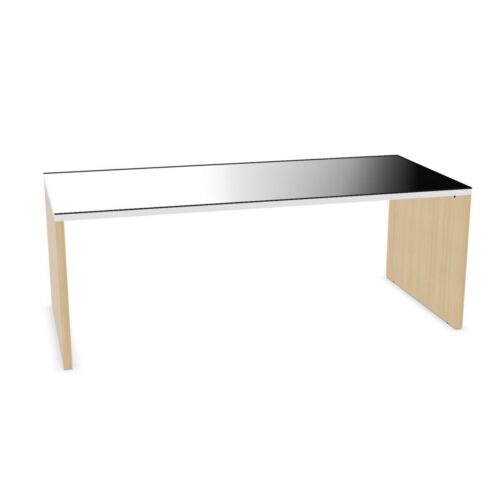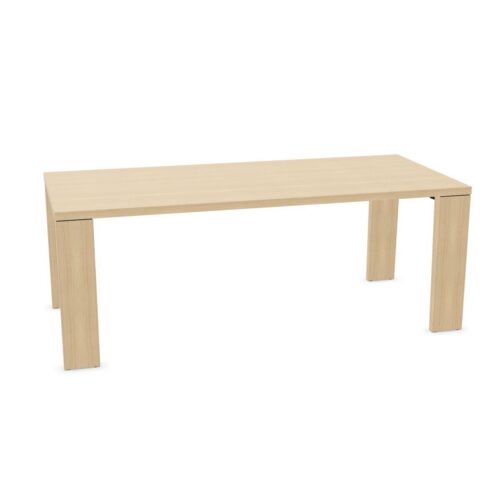


Melamine base office furniture describes products whose supporting base, frame, legs or structural panels are specified as melamine. On this archive, the term relates to the part that carries or supports the furniture, rather than necessarily describing the desktop, upholstery, storage interior or the product’s overall colour.
Melamine is commonly used for clean-lined workplace furniture, particularly where panel-based construction suits the design. It can provide a coordinated appearance across desks, tables and storage while supporting practical layouts for offices, project spaces and shared work settings. Product specifications remain important, as the precise construction and finish can vary between items.
What does a melamine base mean?
In this filter, base material identifies the material assigned to the supporting element of a product. Depending on the furniture type, that may be a modesty panel, end panels, pedestal structure, lower cabinet section, table support or another load-bearing visual component. It should not be read as a statement that every visible surface is melamine.
Many office products combine several materials. A desk may have a melamine base with a different worktop specification, while a seating product may pair a melamine structural element with fabric, mesh, foam or metal elsewhere. Reviewing the individual product description helps procurement teams confirm which components are included in the stated material.
Why base material matters in office planning
The base has a direct effect on how furniture looks within a scheme and how it works with adjacent pieces. Selecting a consistent base material can make a mixed workplace feel more ordered, especially in open-plan areas where desks, meeting tables and storage are seen together.
- It supports a more consistent visual language across compatible furniture ranges.
- It can help planners coordinate furniture with panelled storage and desk systems.
- It gives facilities teams a useful specification point when comparing similar products.
- It helps distinguish structural materials from the finishes used on work surfaces, seats or fronts.
For leasing and reuse decisions, a clear material specification is also useful when assessing whether an item fits an existing workplace palette or a planned reconfiguration. Material is only one consideration, however; dimensions, layout, condition requirements and intended use remain equally relevant.
Where melamine-base furniture is commonly used
Furniture with melamine supporting components can suit focused work areas, team neighbourhoods, meeting rooms and administrative spaces. Panel-based bases are often relevant where a substantial, furniture-like appearance is wanted, rather than a visibly open leg frame. They may also help create continuity between workstations and nearby storage.
In client-facing areas, the chosen surface finish, edge detailing and overall product form will influence the final impression. In back-of-house or operational settings, ease of coordination with existing furniture and the suitability of the footprint may carry more weight. The archive includes different product types, so the use case should be checked against each item rather than assumed from base material alone.
Furniture types to compare
This selection may include furniture where melamine forms part of the support structure. The exact mix changes as catalogue availability changes, but purchasers may find relevant options among the following categories:
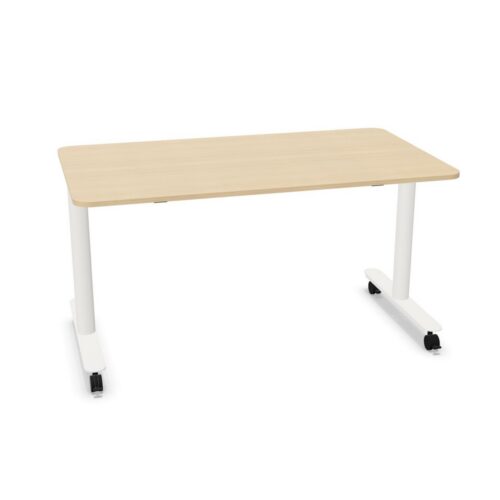
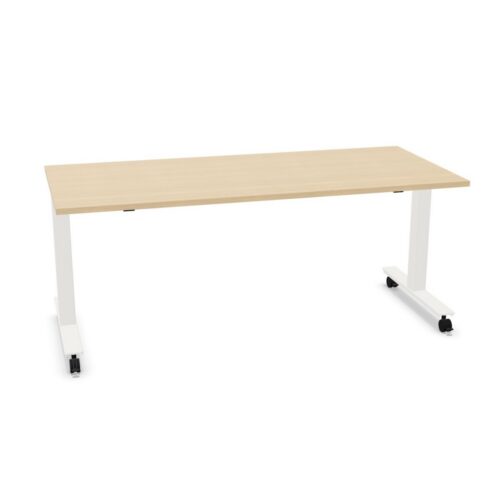
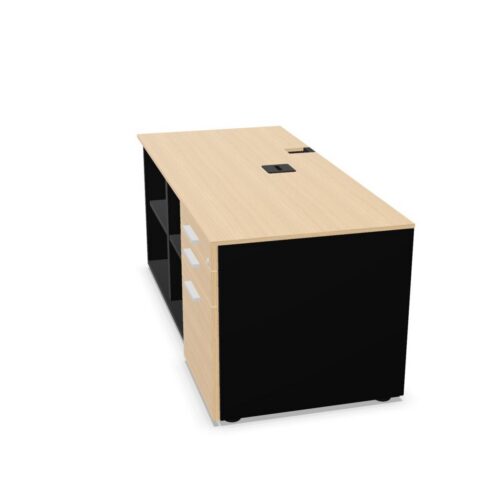
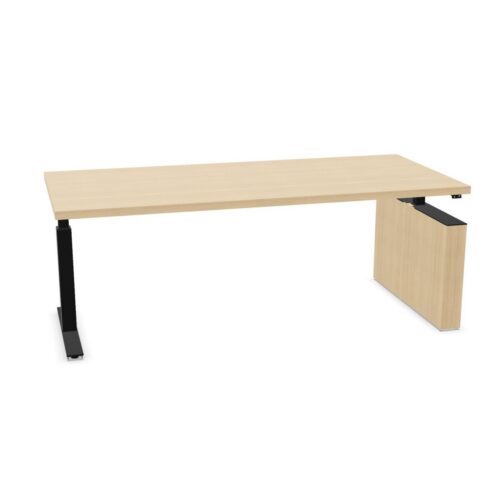
- Desks and workstations with panel ends, structural modesty panels or integrated supporting units.
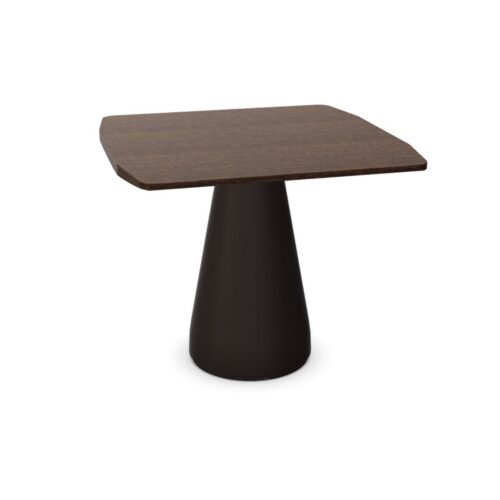
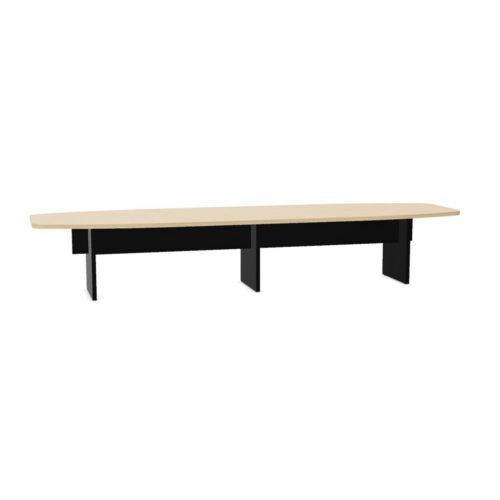
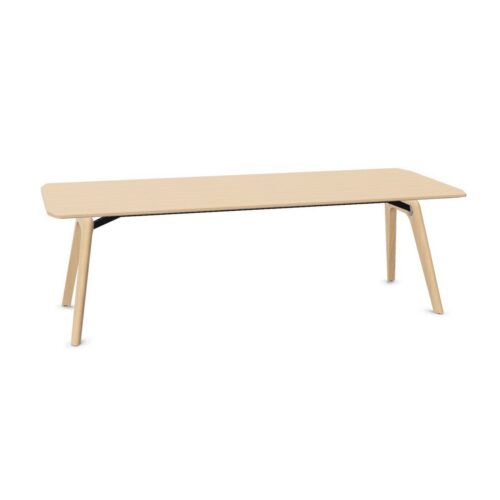
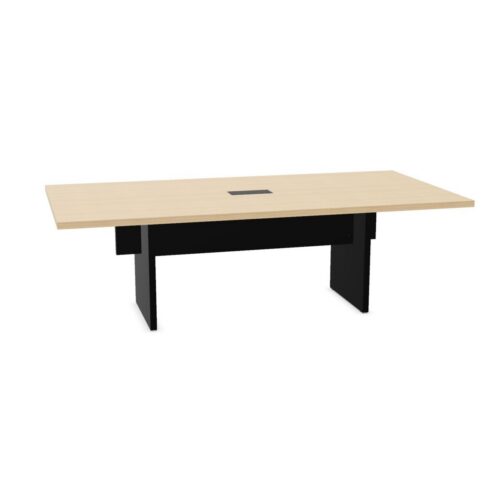
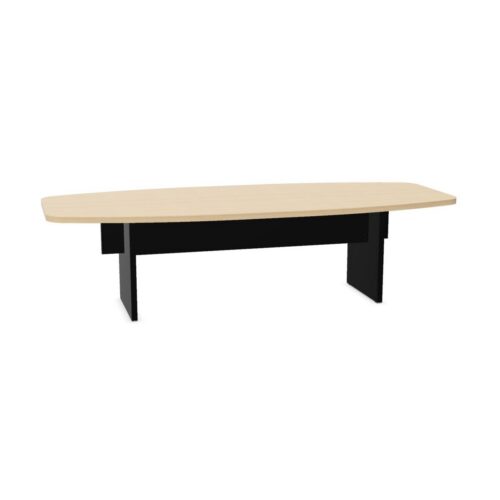
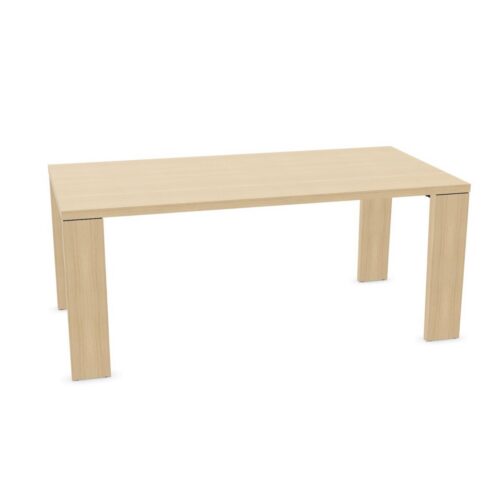
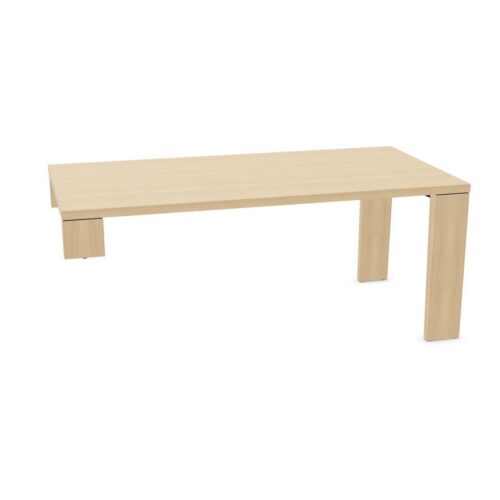
- Meeting and collaboration tables with panelled bases or central support sections.
- Storage-led work settings, including products that combine a work surface with supporting cabinet elements.
- Reception, breakout or ancillary furniture where the supporting structure is specified separately from the visible top or seating surface.
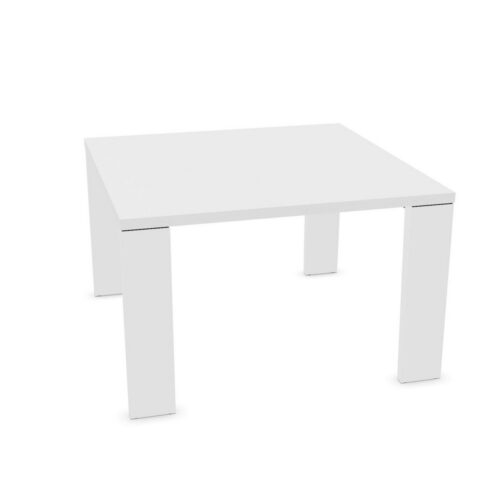
Always compare the product images, dimensions and technical details. Two products carrying the same base-material value can have very different proportions, capacities and installation needs.
How to choose a suitable melamine base
Start with the role of the furniture in the floor plan. For individual work, consider clear knee space, cable access and the relationship to task seating. For collaborative tables, allow room for chairs, circulation and any shared equipment. Where base panels sit close to walls or other furniture, check that doors, drawers and access routes remain practical.
Then consider how the base relates to the rest of the specification. Match or deliberately contrast it with worktops, storage fronts and surrounding finishes, but do not rely on material name alone as an indicator of colour, texture or edge profile. Confirm these details product by product before finalising a schedule.
Questions to consider
- Which component is identified as melamine: the legs, panels, frame, cabinet base or another support?
- Does the product’s size work with the planned room layout and circulation routes?
- Are the worktop, seat, storage fronts or other visible elements made from different materials?
- Will the furniture sit alongside existing items, and is visual coordination required?
- What access, cleaning and maintenance considerations apply in its intended location?
Looking after melamine supporting components
Care should follow the guidance provided for the individual item and its particular finish. In general workplace use, prompt attention to spills, avoiding unnecessarily abrasive cleaning methods and protecting surfaces during moves can help preserve the appearance of furniture. Edges, corners and panels close to busy circulation routes may deserve particular attention when rooms are rearranged.
Good planning also contributes to longevity. Providing sufficient space around furniture, using appropriate moving methods and retaining accurate product information can make future repairs, relocations and redeployments easier to manage. Read more about how to extend the lifespan of office furniture when developing a longer-term workplace furniture plan.
Related Myntwork furniture ranges
A base-material filter is a helpful starting point, but it works best alongside product category, dimensions, configuration and finish information. Browse the wider office furniture collection to compare complementary pieces, or consult our guide to choosing office furniture for broader planning considerations.











Bralco