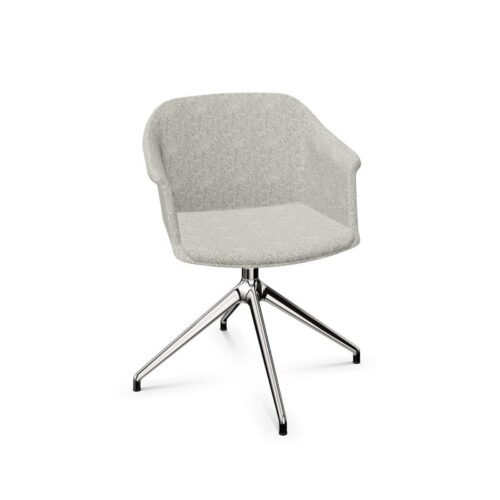
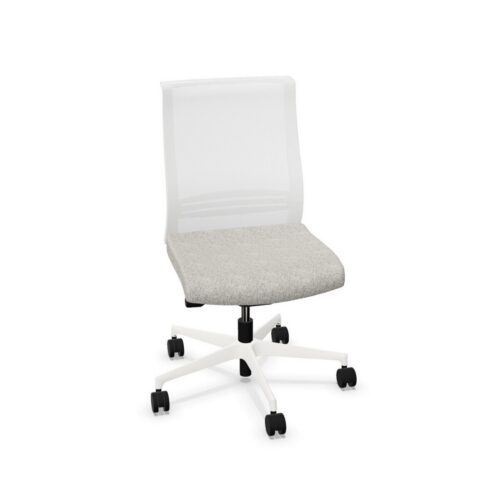
Office chairs with plastic bases offer a defined lower structure within a broader seating choice. The material refers to the base rather than describing every part of the chair: a seat, backrest and adjustment mechanism may have their own construction and features. Start with the kind of work the chair needs to support, then compare how the base fits into that complete configuration.
A base material within a full chair design
The seating selection includes task chairs, meeting chairs and other formats, so a plastic-base description should not be treated as a single chair type. Look at the exact seat and back arrangement, the intended activity and the features supplied with the model. Keep the material decision connected to the rest of the seating specification.
Office chairs with plastic bases can also differ in the shape and operation of the lower structure. Check whether the selected chair has a fixed or swivel arrangement and what components are supplied at the floor. The base material alone does not establish mobility, a particular movement mechanism or a common adjustment system.
Task seating at an individual workstation
At a desk, consider the person and the working surface together. The chair needs to approach the surface, accommodate the user’s normal sitting position and work with the equipment used there. Review the seat and back support alongside any relevant adjustment controls.
The base should be assessed within that occupied arrangement. Consider its footprint beneath the seat and its relationship with the desk supports, nearby storage and the space available for chair movement. A visually simple lower structure still has a physical role in the way the workstation can be used.
Meeting and shared seating positions
For shared spaces, office chairs with plastic bases need to be considered around the table and surrounding circulation. Review how people approach their seats and where chair bases sit in relation to table legs. An arrangement that works for a single chair may need a different assessment when several positions are placed together.
Think about the intended pattern of use. A chair that remains at a meeting table has a different role from one that is regularly moved between settings. Check the actual product features and supplied fittings where movement, repositioning or another specific function is required. Those requirements should be confirmed independently of the base material.
Keep upholstery and backrest choices separate
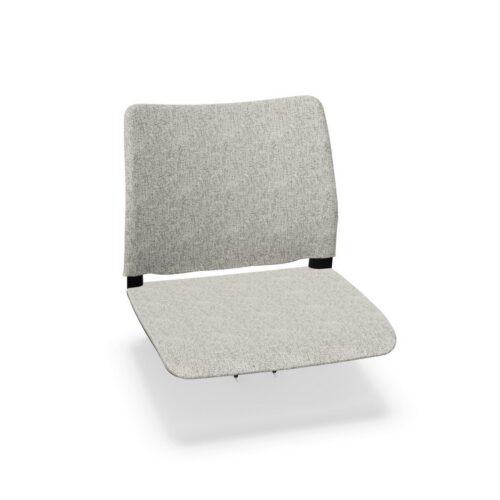
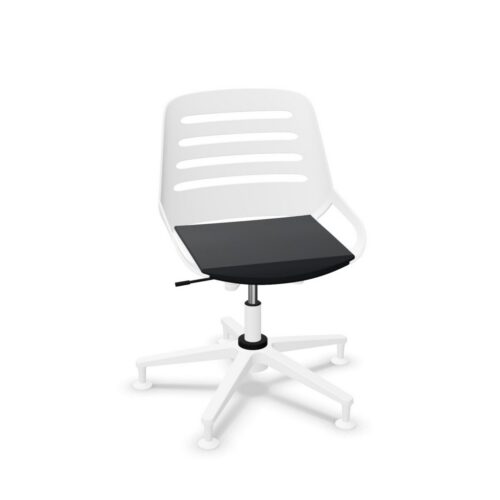
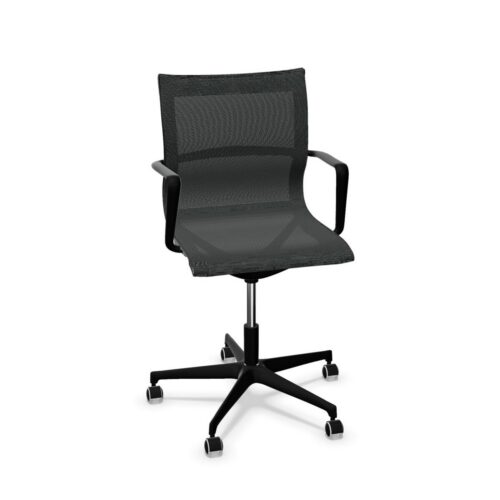
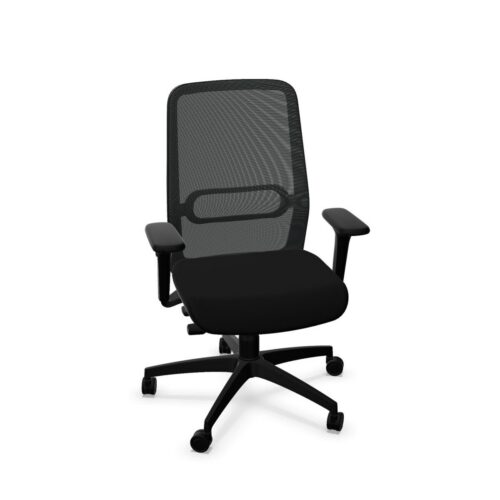
A plastic base does not mean that the user sits on a plastic seat or against a plastic back. Compare the surface materials and construction of the selected chair’s other components. Upholstery, a shaped shell and a mesh-style back can each create a different seating arrangement where those features are supplied.
Office chairs with plastic bases should therefore be compared by the complete version being specified. Record the seat, backrest, armrest arrangement and relevant controls together. If a product family has several options, make clear which configuration has been considered rather than applying one assessment to every version with a similar name.
Floor contact, finish and everyday care
Review any feet, glides or castors included with the selected base and the guidance for their use on the intended floor. The contact component and the room surface need to be considered together. A material label for the main base does not establish the suitability of every fitting attached to it.
Consider the visible color and finish in the room as well. A base can relate to nearby table supports or form part of a coordinated seating scheme. Check the actual finish rather than assuming that all plastic bases share the same appearance or care requirements.
Choose office chairs with plastic bases through a clear assessment of purpose, configuration and workstation relationship. The material becomes useful information when it is connected to the user, the floor and the surrounding furniture. This keeps the decision focused on a chair that serves the planned activity rather than on one isolated component.







Bralco