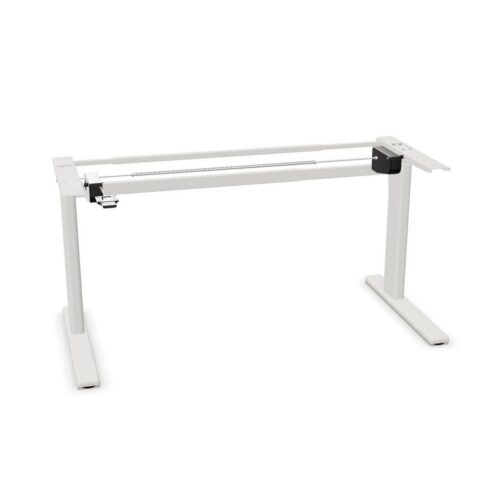
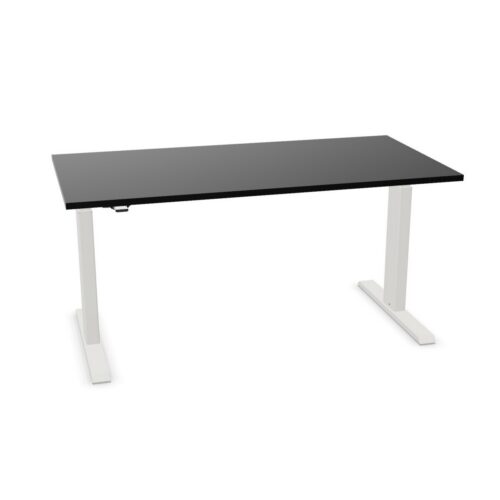
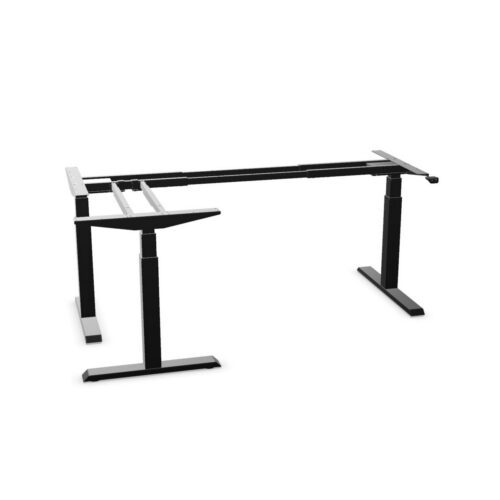
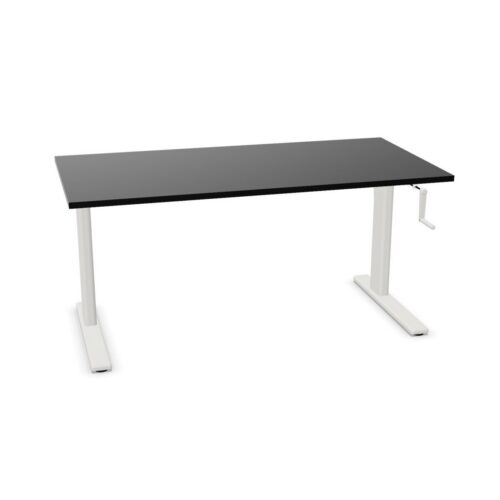
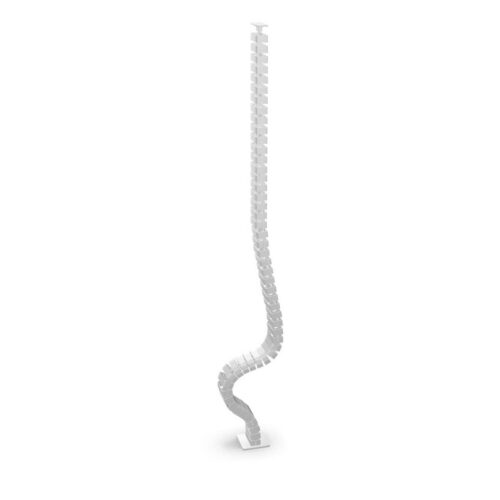
Blue Angel office furniture can be part of a considered workstation plan. The relevant range includes height-adjustable desks, desk screens and supporting accessories such as cable components and magnetic boards. The Blue Angel is an independently awarded ecolabel with criteria set for defined product groups. For furniture made with wood or wood-based materials, its criteria include attention to emissions and the sourcing of wood. Other award categories need to be read on their own terms. Its meaning depends on the particular award criteria and the exact product covered, so it should be read alongside the furniture’s functional specification.
Read the label for the right product group
Blue Angel criteria are organised by product category. One furniture route concerns low-emission products made of wood or wood-based materials; other products can fall under different criteria. Check the award document and current product listing rather than treating the logo as a universal claim about all office items. The label does not by itself state the dimensions, adjustment range or acoustic performance of a desk or screen.
For Blue Angel office furniture, the named model and configuration matter. A desk top, frame, desk screen and cable accessory may have different materials and documentation. Ask which complete products are covered by the ecolabel and whether optional finishes or components are included. This keeps a project schedule clear when a workstation combines several parts.
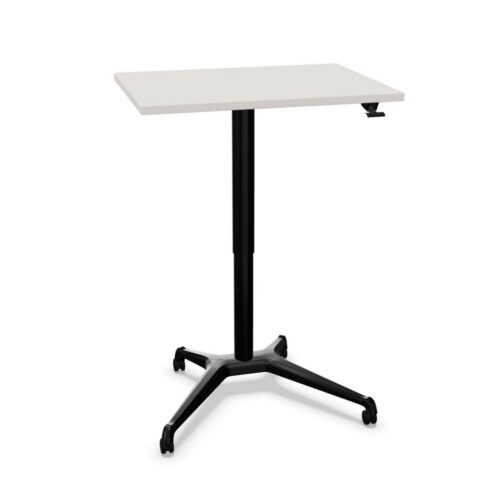
Plan the height-adjustable desk around its user
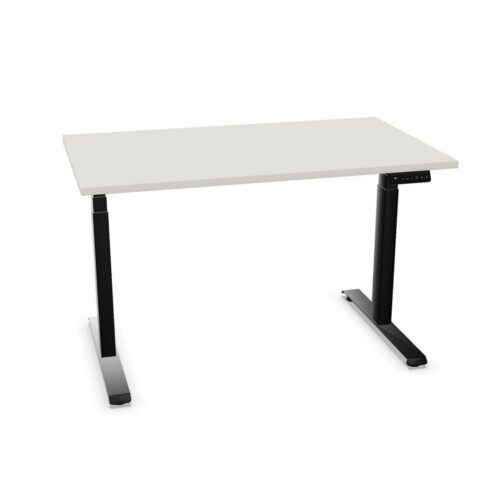
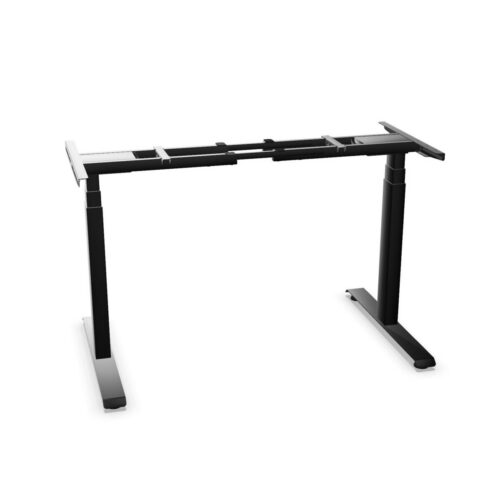
A sit-stand desk changes the relationship between the worktop, monitor, chair and surrounding furniture. Check the selected desk’s height range and controls with the intended user. Leave room for the top to move without striking a shelf or screen. Cables need enough travel to remain secure in both seated and raised positions.
Blue Angel office furniture should still be selected for the task it performs. An ecolabel can inform a materials decision, but the desk must provide adequate surface for equipment and enough floor space for someone to approach and leave. Consider the occupied workstation, including the chair at its normal working distance.
Use screens for a clear purpose
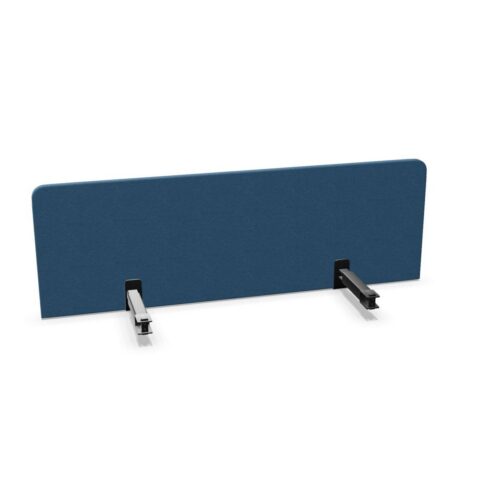
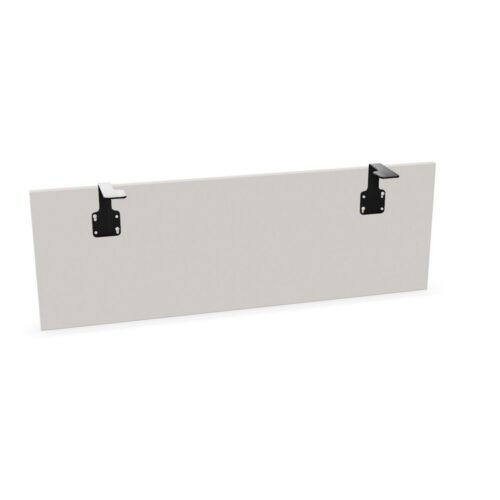
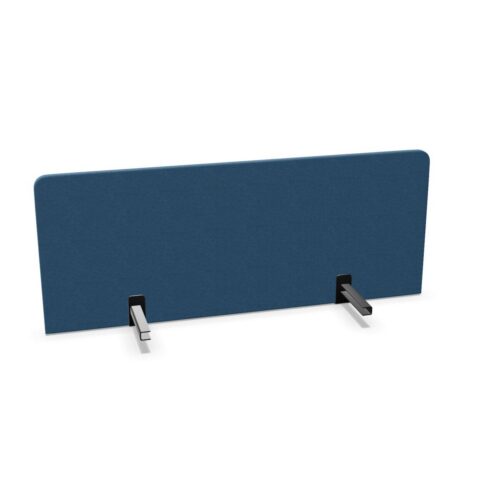
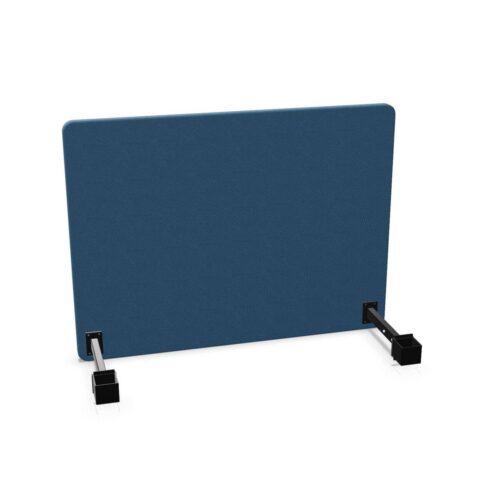
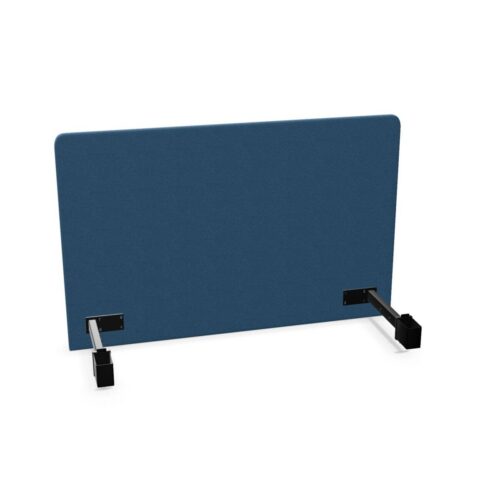
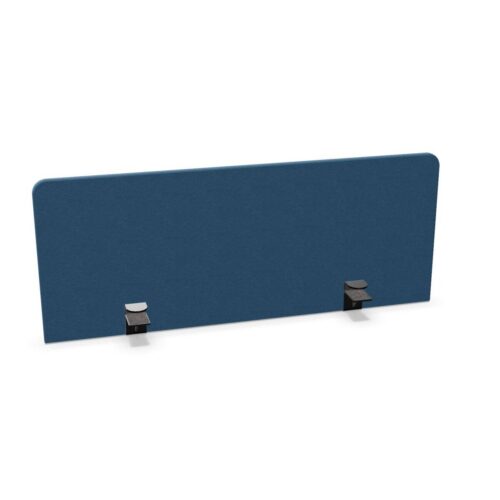
Desk screens can define a personal boundary and reduce direct visual distraction between neighboring positions. The range includes upholstered screens and freestanding panel forms. Decide whether the need is a sightline between desks, an edge to a shared area or another spatial issue. Check how the screen attaches and whether it affects light or communication.
A screen’s acoustic effect depends on its construction and the wider room. Do not infer a particular sound reduction from an ecolabel. Review the panel’s separate acoustic information where that is important. Position it so the user can still reach equipment and move comfortably around the desk.
Include accessories in the workstation plan
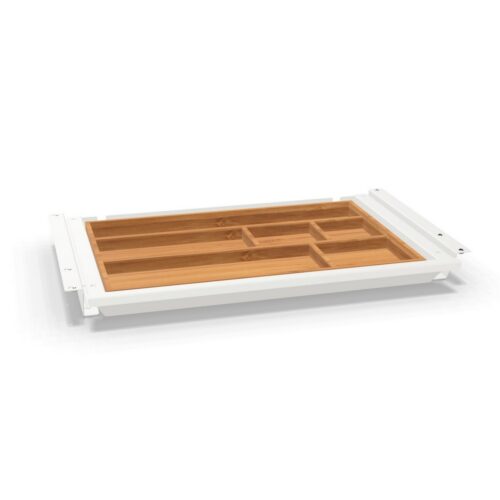
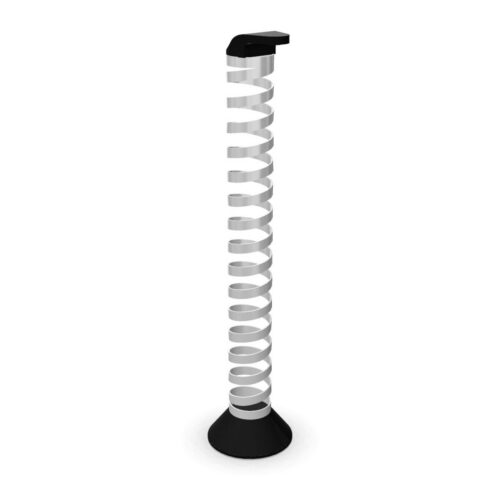
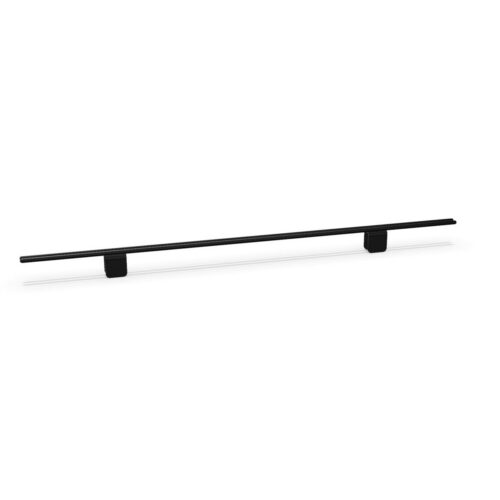
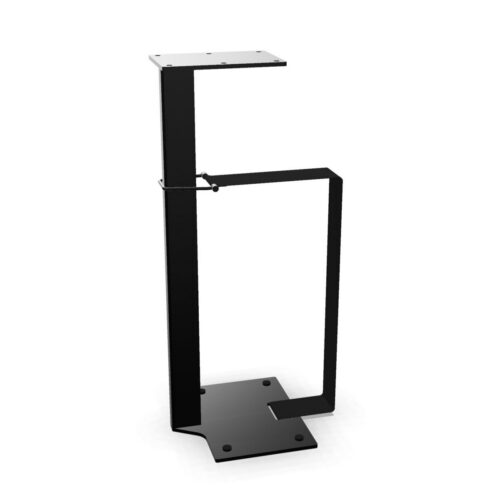
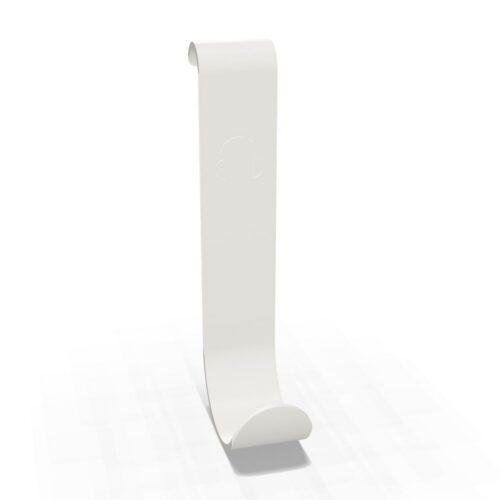
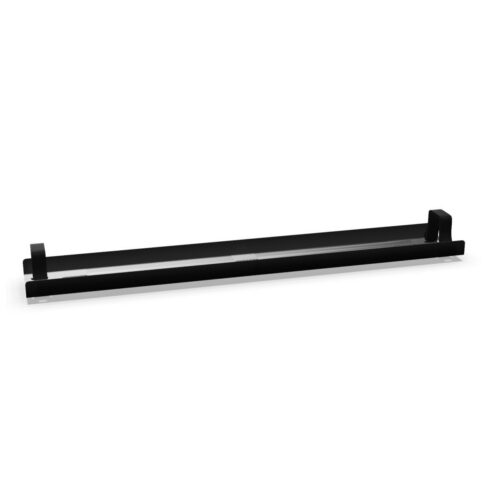
Cable trunks, trays and small desk accessories can have a large effect on how easy a workstation is to use. Trace power and data routes before locating the desk. A magnetic board may help keep notes visible, but it should not obstruct the monitor or become a barrier to a neighboring seat. Check compatibility with the selected desk system.
Blue Angel office furniture may be assembled from components with different documentation. Keep the exact ecolabel evidence with the named item rather than applying it to every accessory nearby. A clear product schedule can distinguish the certified piece from other parts chosen for function, finish or fit.
Bring evidence and use together
Begin with the activity, room and people: desk work, collaboration, storage and circulation. Select the furniture that supports those needs, then use the relevant Blue Angel documentation to assess the environmental criteria of suitable options. The label can guide a decision without replacing checks on ergonomics, installation or material care.
Blue Angel office furniture makes the most sense when the project can identify exactly what is labelled and why it belongs in the room. Review the current award criteria, the covered version and the working layout together. That approach gives the ecolabel a precise role while keeping the workstation practical throughout daily use.