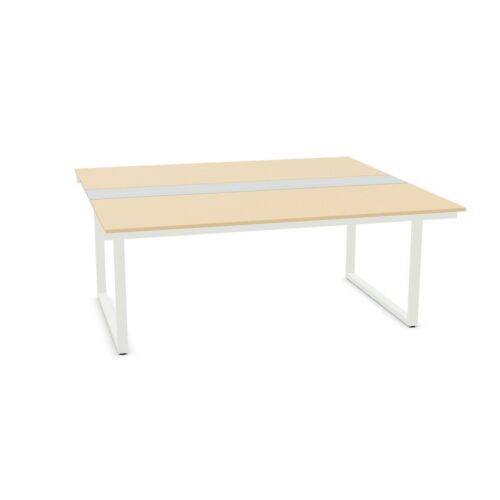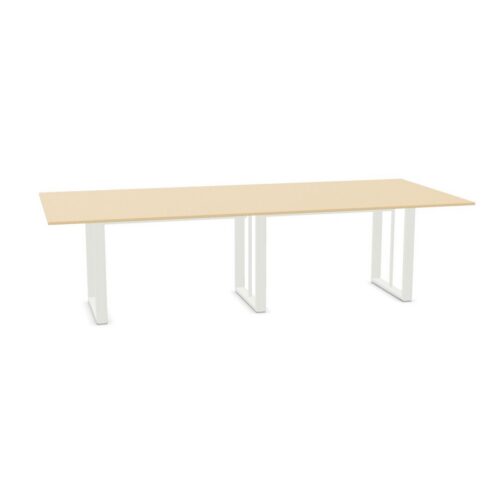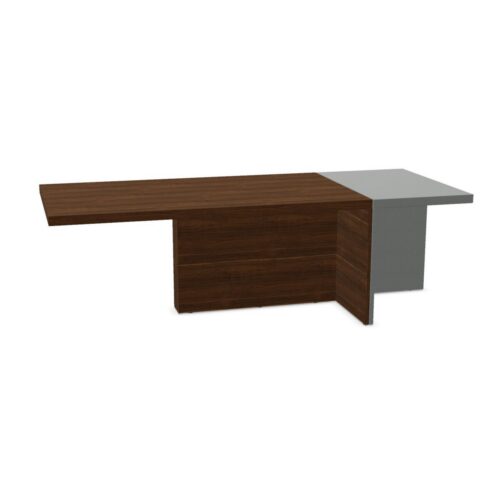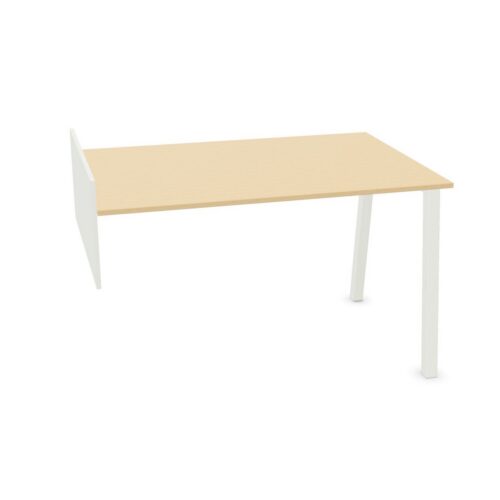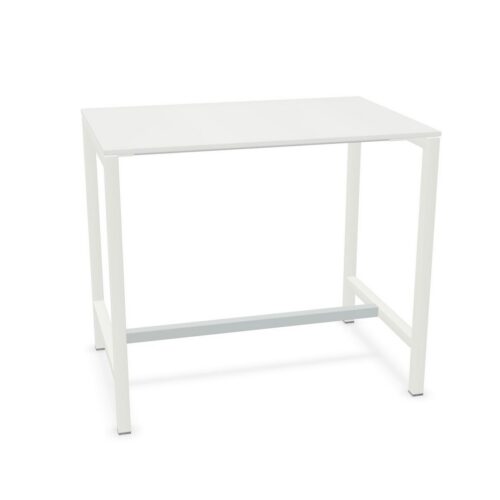


TSCA Title VI compliant office furniture is relevant to procurement teams seeking products made with compliant composite wood materials for the United States market. The standard addresses formaldehyde emissions from certain hardwood plywood, medium-density fibreboard (MDF) and particleboard, including products manufactured using those materials.
This archive lists furniture carrying the TSCA Title VI Compliant certification attribute. It can be a useful point of reference when specifying furniture for US-based workplaces, projects with international supply chains or internal responsible-materials requirements. It should sit alongside the wider technical, functional and commercial checks needed for each individual product.
What does TSCA Title VI compliance mean?
Title VI of the Toxic Substances Control Act (TSCA) is a United States requirement concerning formaldehyde emissions from regulated composite wood products. It is implemented by the US Environmental Protection Agency (EPA) and applies to specific categories of composite wood panels and to finished goods containing them, subject to the applicable provisions.
In an office-furniture context, this may be relevant where desks, storage, meeting tables, shelving or other products use engineered wood components. The requirement is about the formaldehyde-emissions limits and associated compliance framework for covered materials; it is not a general assessment of a product’s entire environmental performance, durability, recycled content or suitability for every project.
Why this matters in furniture procurement
Material compliance can be particularly important when furniture is being supplied into the US, when a global specification must work across several locations, or when a buyer needs clear documentation from manufacturers and suppliers. Identifying the requirement early can reduce the need to revisit material selections later in the procurement process.
- It supports specifications that need to account for US composite-wood formaldehyde requirements.
- It helps procurement, facilities and project teams ask consistent questions of suppliers.
- It can form one part of an indoor-materials review where wood-based furniture is proposed.
- It provides a defined attribute for comparing suitable products in a larger furniture schedule.
For organisations building broader policies, TSCA Title VI is one consideration among many. Lifecycle impacts, repairability, reuse options, logistics, workplace needs and supplier information may all be relevant to the sustainable procurement of office furniture.
Which office furniture may contain composite wood?
Composite wood is commonly used where a stable, consistent sheet material is needed for furniture construction. Depending on the design, it can appear in desk tops, table tops, cabinet carcasses, cupboard doors, drawer parts, shelving and modesty panels. Veneers, laminates and coatings may be applied to these substrates, but the visible finish alone does not establish which underlying material has been used.
Not every office product contains regulated composite wood, and the presence of a wood-effect or timber finish does not by itself determine whether the TSCA Title VI requirement is relevant. Metal seating frames, upholstered seating, monitor arms and many other workplace items may have different material considerations. Review the product information and project specification rather than making assumptions from appearance.
Using this filter for US and international projects
For a US installation, the certification filter can help narrow a broad catalogue to products identified with this compliance attribute. It is also useful to designers, dealers and workplace teams developing a repeatable furniture palette across regions, where one approved selection may need to meet project-specific requirements in more than one market.
For projects outside the United States, TSCA Title VI compliance may still be informative, but it does not automatically confirm compliance with local laws, building requirements or client standards. A UK or European project should be assessed against the requirements that apply at its destination. Where a specification names several emissions, environmental or materials standards, check each one independently.
How to assess a compliant product
Use the archive as an initial selection tool, then verify the detail needed for the order. Product configuration matters: a range can include different sizes, finishes, components or materials, and project documentation should match the item being purchased. If evidence is required for a tender, fit-out or internal approval process, establish what document format and level of detail the project team needs before placing an order.
Questions to consider
- Is the finished item being supplied to a location where TSCA Title VI requirements apply?
- Which parts of the selected configuration use composite wood?
- Does the project require product-level evidence, material information or supplier declarations?
- Are there separate requirements for indoor air quality, fire performance, accessibility, finishes or workplace safety?
- Will the furniture be retained, refurbished, relocated or returned at the end of the project?
TSCA Title VI and wider ESG requirements
Compliance with a formaldehyde-emissions requirement is valuable, but it should not be treated as a complete ESG assessment. Procurement teams may also consider how furniture is maintained, whether components can be replaced, how assets are tracked, and what happens when workplace needs change. These decisions can influence both the practical service life of furniture and the quality of reporting information available to an organisation.
For a broader view of relevant decision-making, see Myntwork’s guidance on ESG and workplace furniture procurement. It is helpful to separate mandatory compliance checks from voluntary environmental objectives so that each can be recorded and evaluated clearly.
Building a practical furniture schedule
A considered schedule balances compliance information with everyday usability. For example, a desk or storage unit may need to suit the available footprint, cable management plan, user numbers, finish palette and cleaning regime as well as the project’s materials criteria. Seating, meeting furniture and ancillary products should be assessed for their own intended use rather than selected solely because they appear alongside a compatible desk range.
When comparing products in this archive, retain the relevant product references, selected options and evidence requests in the procurement record. This makes it easier to keep the final order aligned with the agreed specification, particularly when several teams are involved in design, purchasing, workplace operations and reporting.
Related Myntwork resources
TSCA Title VI Compliant products can be considered as part of a wider, documented approach to workplace furnishing. Explore the guides to sustainable procurement and ESG workplace procurement above when developing a specification that considers material compliance alongside operational and circularity objectives.
- Reset all
- Brown