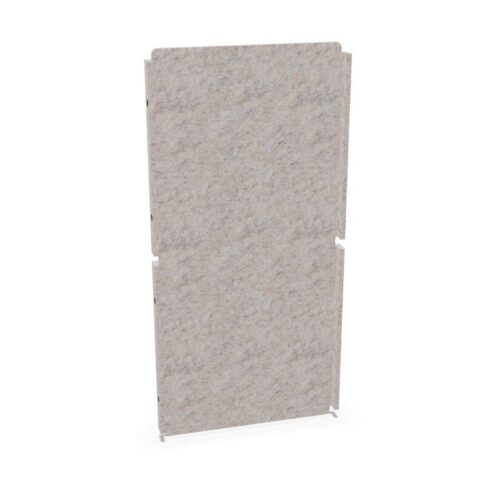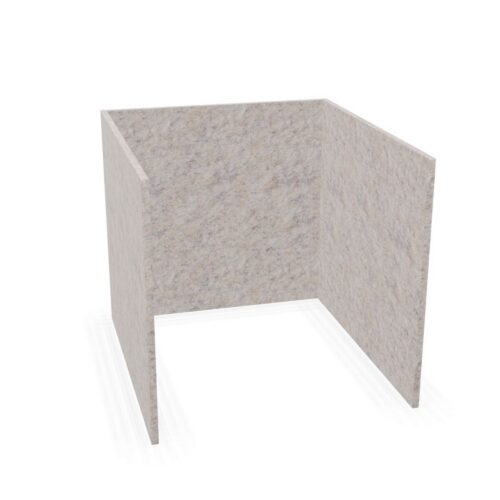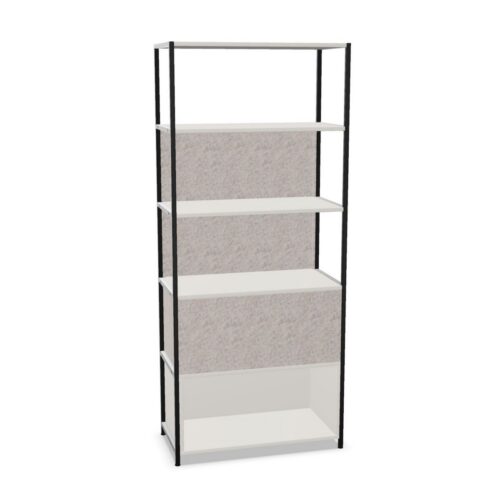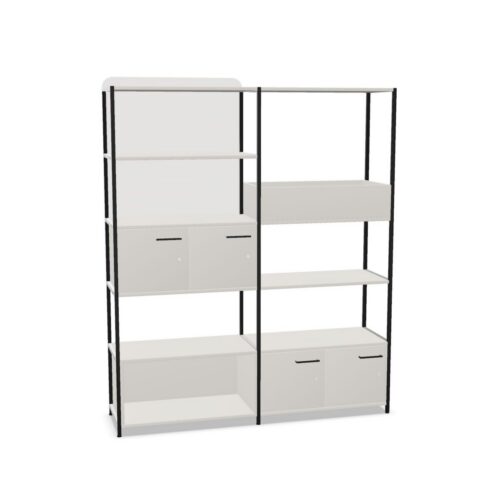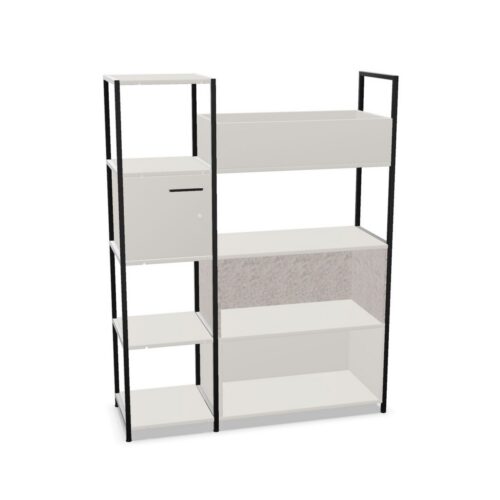


Beige office furniture provides a calm, adaptable foundation for workplaces that need a lighter alternative to white, grey or darker wood tones. On this page, beige refers to the primary visible colour of the product as a whole, rather than solely the finish of a frame, base or upholstered element.
From desks and storage to seating, tables and workplace accessories, beige can help create a considered, consistent setting across individual workstations and shared spaces. Its neutral character makes it suitable for a range of interior schemes, whether the aim is to soften a contemporary fit-out, complement natural materials or maintain a restrained professional appearance.
What does beige mean in office furniture?
Beige is a broad family of pale neutral shades, often sitting between cream, sand, taupe and light stone. The precise tone may vary between products and materials: a beige desk surface can look different from a beige metal cabinet, fabric chair or laminate table. Lighting, nearby finishes and screen settings can also affect how a shade appears.
For this filter, the product’s overall visible colour is identified as beige. This is useful when planning a coordinated environment, as it distinguishes all-over beige items from products that may have a beige base, trim or seat only.
Why choose beige for a workplace?
Beige is commonly selected where a workplace needs warmth without using a strong accent colour. It can make large furniture pieces feel less visually heavy than black or deep brown while retaining a more grounded appearance than bright white. In multi-use offices, it can also provide a neutral backdrop for changing branding, artwork and wayfinding.
- It works alongside timber, stone-effect, black, white and muted coloured finishes.
- It can support a softer visual transition between reception, meeting and focused-work areas.
- It suits both traditional and contemporary interiors, depending on the product shape and material.
- It can be used consistently across furniture or as part of a balanced palette with complementary neutrals.
Colour is only one part of a procurement decision. Durability, dimensions, cleanability, cable management, storage requirements and the intended use of each space should be assessed alongside the finish.
Where beige furniture is commonly used
Beige can be applied across many workplace settings because it does not dominate the room. In reception areas, it can help establish a welcoming first impression when paired with practical visitor seating, occasional tables and storage. In open-plan offices, beige desks and storage can create a cohesive field that allows task chairs, screens or planting to provide contrast.
Meeting rooms may use beige tables, chairs or credenzas to keep attention on the people and materials in the room. It is also relevant to breakout spaces and touchdown areas, where a warmer neutral palette can help distinguish informal settings from more task-focused zones. When specifying furniture for a client-facing environment, review samples and product imagery in the actual lighting conditions where possible.
Product types available in beige
The products shown in this archive may cover several furniture categories, depending on the current catalogue. Beige is found across hard finishes and softer materials, so it can be used for both functional workplace infrastructure and more relaxed shared-space furniture.
- Desks, benching and work tables for individual or team workspaces.
- Meeting tables, café tables and occasional tables for shared areas.
- Storage units, pedestals, cupboards and shelving.
- Office chairs, lounge seating and visitor seating where beige is the principal visible finish.
- Screens, accessories and other supporting furniture used to complete a scheme.
Not every product type will be appropriate for every setting. A light-coloured fabric finish may need different care consideration from a beige laminate or powder-coated surface, and furniture specification should reflect the level and type of use expected.
How to coordinate a beige office scheme
A successful neutral scheme relies on variation in texture, proportion and tone. Combining multiple similar beige shades without a plan can make a space appear flat, particularly under cool artificial lighting. Instead, decide whether beige will be the main finish, a secondary tone or a contrast to darker furniture.
Beige often pairs well with light or medium wood finishes for a natural palette, while black details can give desks, tables and seating a clearer outline. White can make the overall setting feel brighter, whereas charcoal, dark green or muted blue may be used selectively for visual definition. Consider wall colour, floor finish and existing building elements before selecting a final combination.
How to choose beige furniture for your project
Start with the function of the space and the scale of the furniture required. Large banks of desks, storage walls and conference tables have a substantial effect on the overall palette, so their finish should be considered early in office planning. Smaller items such as chairs or occasional tables can then reinforce the scheme or introduce a controlled contrast.
Questions to consider
- Is the beige tone warm, cool, light or dark in relation to the room’s existing finishes?
- Will the product be viewed mainly in daylight, artificial light or a mixture of both?
- Does the material suit the expected use, cleaning routine and level of contact?
- Should beige be repeated throughout the workplace or confined to particular zones?
- How will the furniture work with flooring, partitions, technology and signage?
- Are dimensions, ergonomic requirements and access routes suitable for the proposed layout?
For projects with several rooms or phases, documenting selected finishes helps maintain consistency. It can also be useful to distinguish between a general colour preference and an exact required shade, since product materials and manufacturing batches may naturally differ.
Planning colour alongside layout
Furniture colour should support, rather than replace, a practical space plan. Allow for circulation, collaboration areas, storage access and the changing needs of teams before deciding where major beige pieces will sit. Lighter neutral furniture can help define an orderly visual base, but the room still needs the right mix of work settings and appropriate furniture sizes.
Our office space planning guide outlines key considerations for arranging workplace zones, while the advice on choosing office furniture can help compare furniture types, materials and everyday requirements.
Related Myntwork furniture ranges
Use this beige filter to narrow the catalogue when a neutral, all-over finish is a central part of the brief. For a wider view of product types and workplace settings, browse the Myntwork office furniture collection and compare suitable desks, seating, tables, storage and supporting pieces for your planned environment.