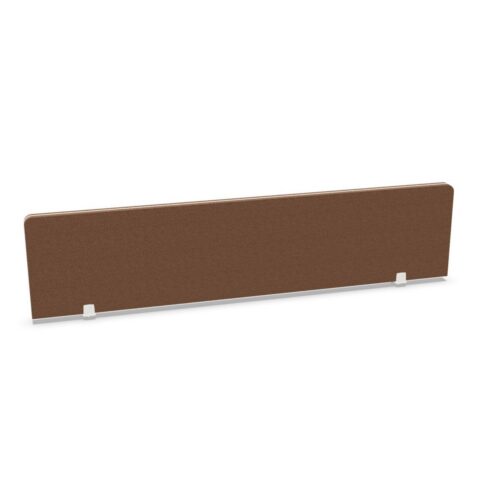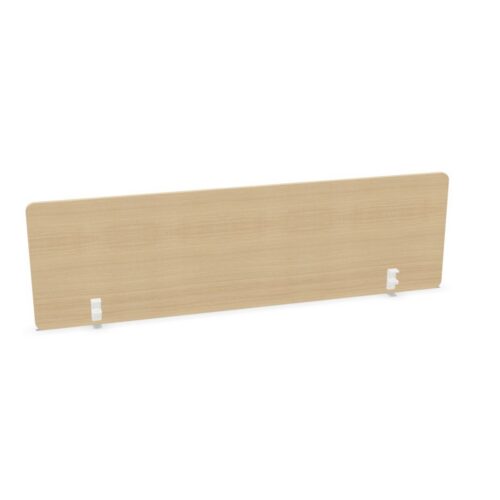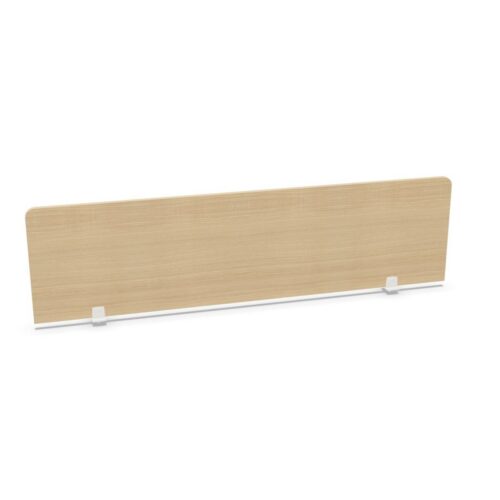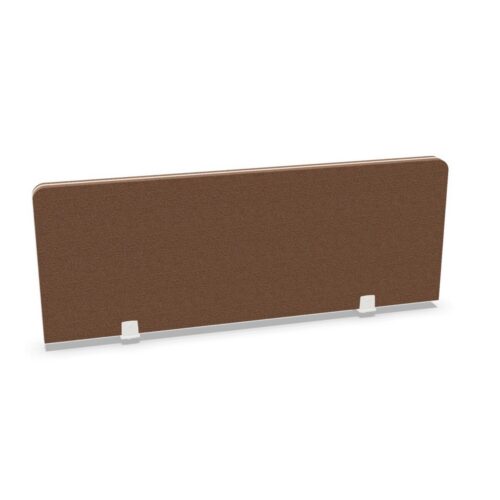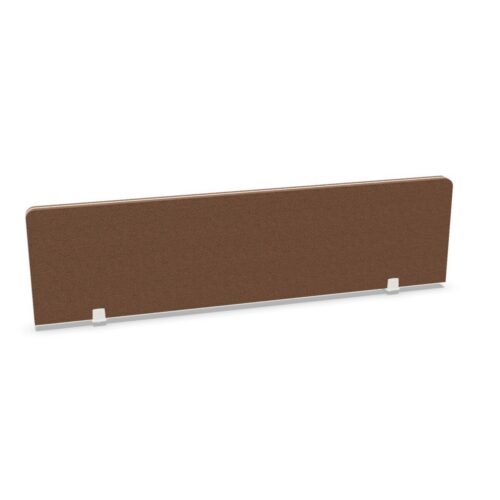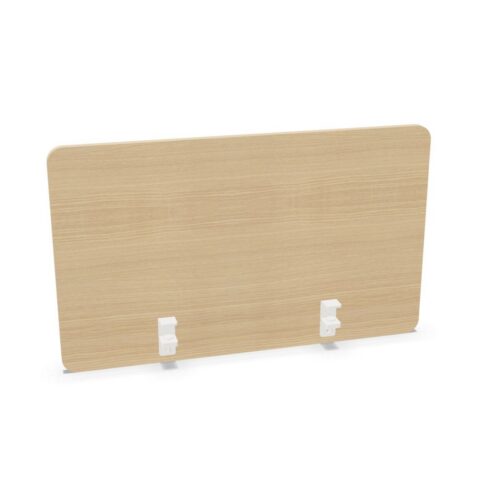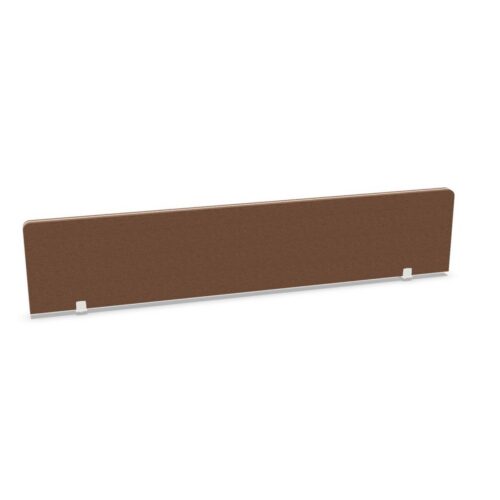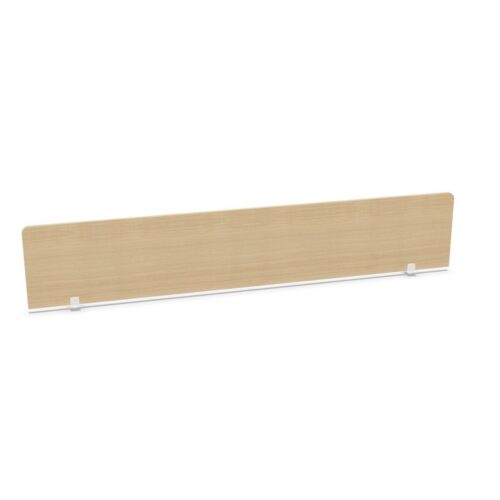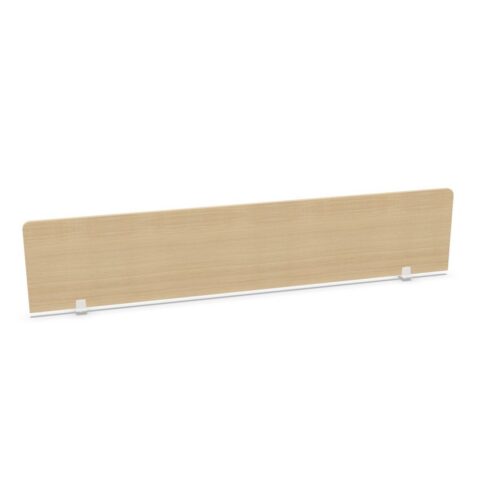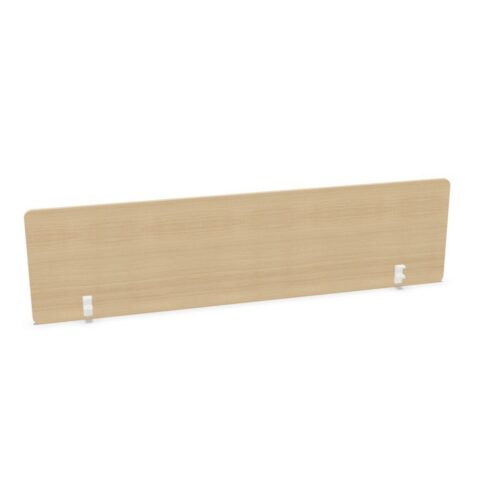


Brown office furniture brings a warm, grounded look to workplace interiors, with options suited to formal workspaces, relaxed hospitality-style settings and practical shared areas. On this page, brown refers to the primary visible colour of the product as a whole, rather than the colour of an individual base, frame or upholstered component.
Brown can range from pale timber-inspired finishes through to mid-tone walnut effects and deeper chocolate or espresso shades. The exact material, texture and finish vary by item, so it is useful to review product imagery and specifications when building a coordinated furniture schedule.
What does brown mean on this furniture archive?
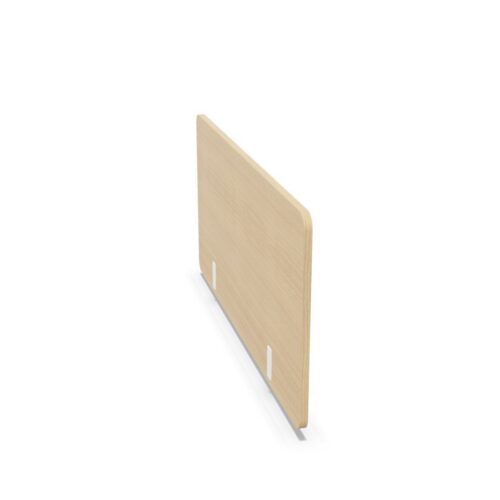
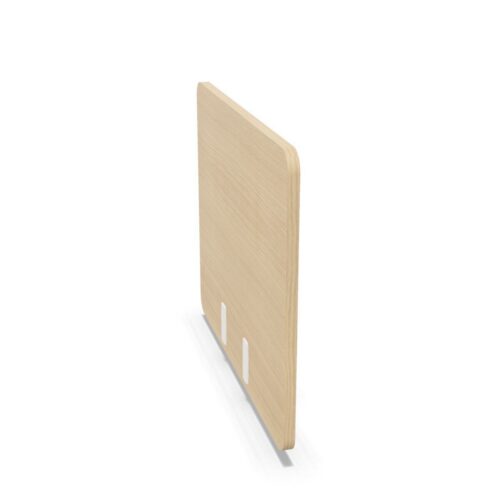
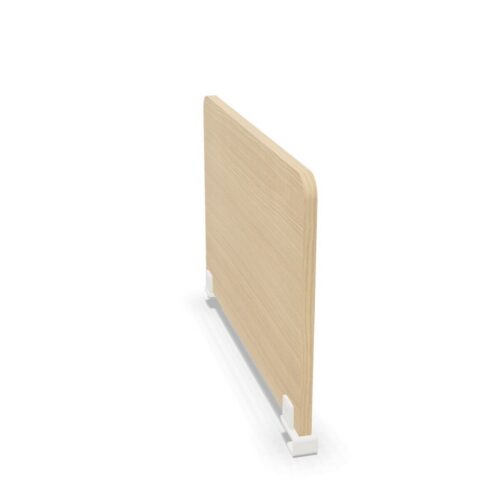
This filter groups furniture whose overall appearance is predominantly brown. It may include products with wood-look surfaces, brown upholstery, brown laminates, stained or finished timber elements, and other materials presented in a brown tone.
A brown item can still include secondary colours such as black metal, chrome, grey detailing or contrasting fabrics. Equally, a product with only brown legs or a brown base may not belong here if its main visible body is another colour. This distinction helps planners use the filter when selecting furniture for a consistent visual scheme.
Why choose brown for an office interior?
Brown is often selected where an organisation wants an interior to feel established, welcoming or connected to natural materials. It can soften the appearance of larger workplace settings while remaining appropriate for focused work areas and client-facing rooms.
- Mid and dark brown finishes can give meeting rooms and executive spaces a more formal visual character.
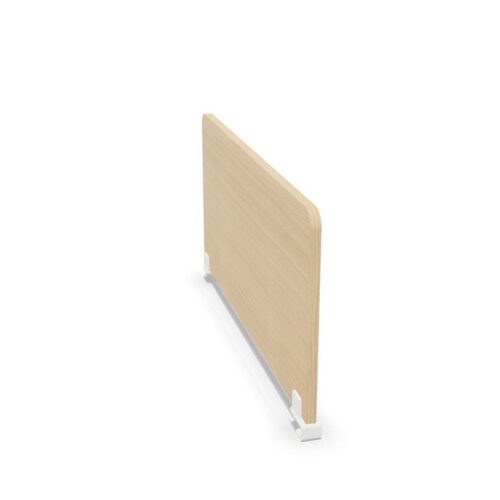
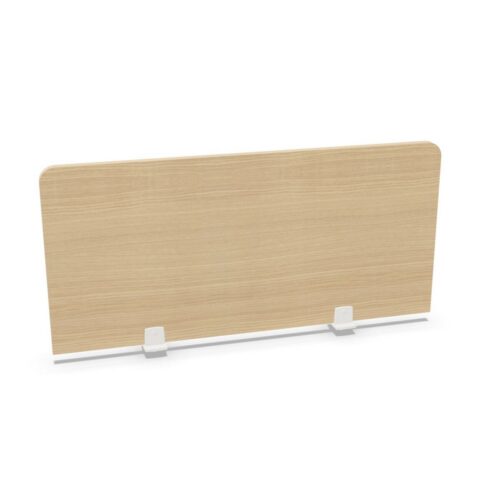
- Lighter brown wood-effect furniture can introduce warmth without making a compact room feel overly dark.
- Brown upholstery and occasional seating can complement neutral walls, black frames and muted accent colours.
- Timber-inspired brown surfaces can work well in schemes that combine workplace and hospitality influences.
- Many brown tones are practical alongside everyday office materials, including charcoal, cream, green and blue.
The right shade depends on daylight, artificial lighting, floor finish and the amount of brown already present in the space. A deep finish may look refined in a bright room, for example, but can appear heavier in an enclosed area with limited natural light.
Where brown furniture is commonly used
Brown furniture can be used across a workplace rather than reserved for one room type. Desks, tables and storage in brown finishes are frequently considered for private offices, boardrooms and meeting spaces, where a cohesive, composed appearance is important. In open-plan settings, brown worktops or storage may help define neighbourhoods or balance cooler finishes elsewhere.
It is also relevant in reception areas, breakout spaces, cafés and informal collaboration zones. Brown lounge seating, tables or display furniture can make guest and staff areas feel less utilitarian. Where a business has an existing timber floor, joinery or heritage-inspired interior, a compatible brown finish may help new furniture sit naturally within the environment.
Furniture types available in brown
The products shown through this colour filter may span a broad selection of workplace furniture. Availability and exact finishes differ between models, so colour should be considered alongside function, dimensions and intended use.
- Desks, benching systems and individual workstations.
- Meeting tables, boardroom tables and collaborative tables.
- Storage including cupboards, pedestals, shelving and credenzas.
- Reception furniture, occasional tables and breakout tables.
- Office chairs, lounge seating, stools and soft seating where brown is the dominant visible colour.
- Accessories and supporting furniture that contribute to an integrated interior palette.
For a wider starting point, browse the full office furniture collection and then refine by the workplace function, size and visual finish required.
Coordinating brown with other finishes
Brown is flexible, but successful coordination relies on choosing undertones deliberately. Some browns appear warm or reddish, while others have cooler, grey or almost black undertones. Comparing finishes in the proposed room is particularly useful where several suppliers, materials or product ranges are being combined.
Black frames and dark task seating can create a crisp, contemporary contrast with lighter oak-style browns. Cream, stone and soft grey help maintain a calm setting around richer walnut-inspired tones. For a more expressive scheme, green planting and muted blue or terracotta accents can sit comfortably alongside natural-looking brown surfaces.
Try to repeat a finish with purpose rather than applying it to every item. A brown meeting table may connect visually to storage or shelving, while lighter desk finishes and neutral seating keep the wider floorplate balanced. This approach can also make future additions easier to accommodate.
How to choose the right brown finish
Begin with the furniture’s role. A desk surface needs to support day-to-day work and coordinate with monitor arms, screens and cable management, whereas a meeting table may be chosen primarily for room scale and visitor experience. For seating, consider whether brown describes the upholstery, shell or main construction, and assess how it performs visually alongside surrounding finishes.
Questions to consider
- Is the brown tone light, medium or dark in the actual room lighting?
- Does it complement existing flooring, doors, wall finishes and built-in joinery?
- Will one finish be used throughout, or should different zones have related but distinct tones?
- Are the product dimensions suitable for circulation, chair movement and access to storage?
- Does the item provide the practical features needed for its intended task?
- Will the finish remain consistent enough when furniture is added in later phases?
Product photographs are a useful guide, but screens and lighting can alter the perceived shade. Reviewing the listed finish information and considering samples where available can help procurement teams make more reliable comparisons.
Planning brown furniture within the workplace
Colour choices are most effective when considered as part of the wider layout. Brown furniture can establish a focal point in a client-facing room, create a warmer destination within an open office, or provide visual continuity between enclosed rooms and shared spaces. Its impact will depend on room proportions, natural light, acoustic treatments and the distribution of other materials.
When planning larger projects, map furniture by zone before finalising finishes. This helps identify where a darker brown can add definition and where a lighter tone may support openness. The office space planning guide offers useful context for considering layouts, circulation and the relationship between furniture and available floor area.
Related Myntwork ranges and planning resources
This archive is a practical way to compare predominantly brown products across different furniture types. For decisions that extend beyond colour, consult our guidance on choosing office furniture, including the functional considerations that shape a well-specified workplace.
Browse the wider office furniture categories to compare desks, seating, storage, meeting furniture and breakout pieces alongside this brown selection. Considering colour together with use, scale and finish will help create an office environment that is coherent, adaptable and appropriate for the people who use it.