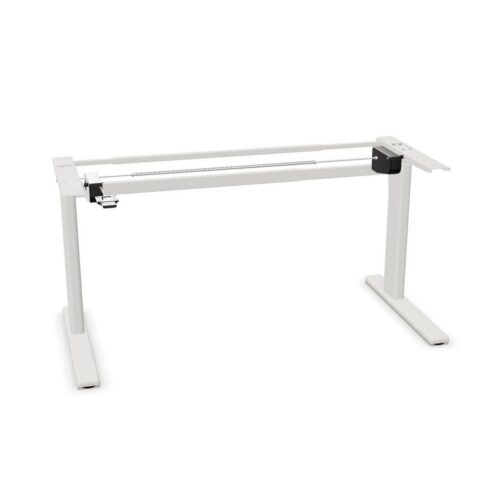
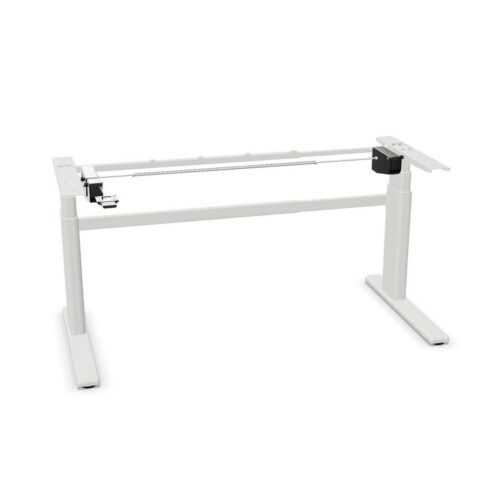
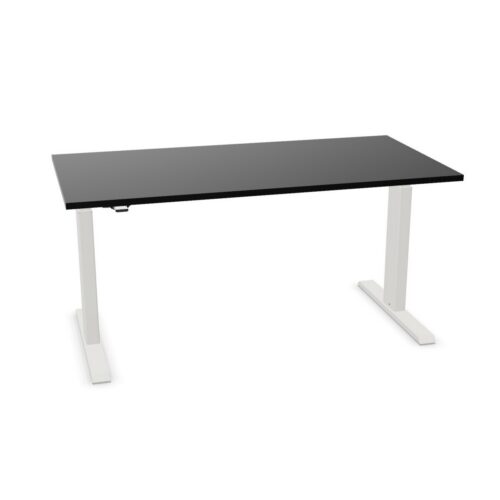
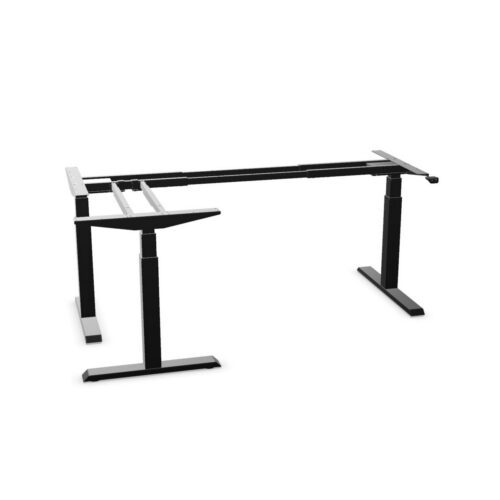
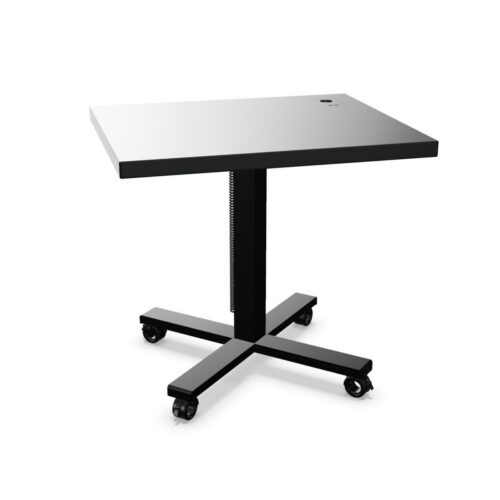
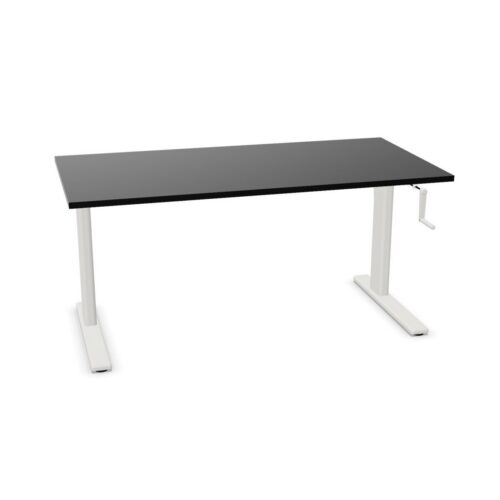
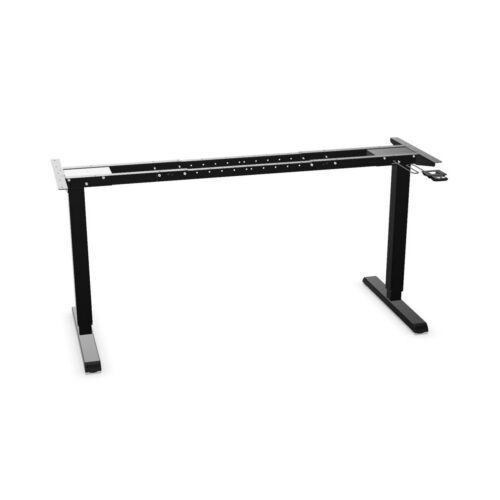
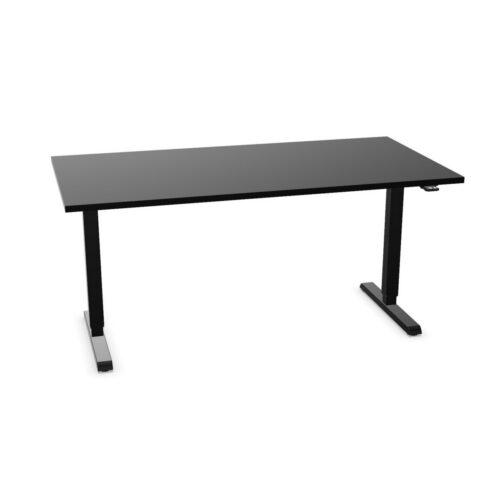
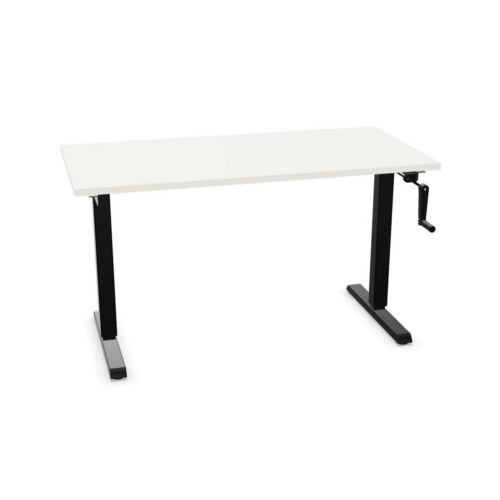
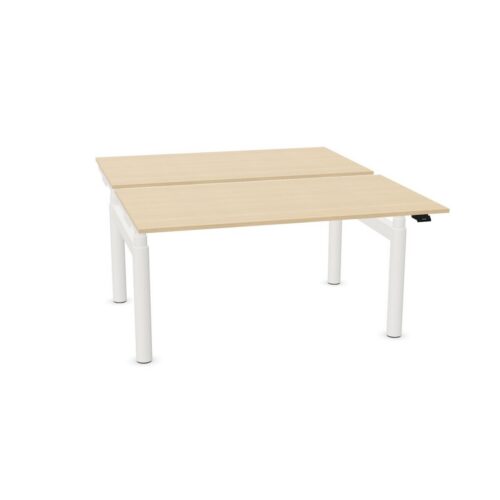
Sit-stand desks allow the working surface to be considered at different heights as part of an office workstation. The useful choice begins with the person, the task and the equipment used there. Compare the selected desk’s actual adjustment and construction with those requirements, then assess the complete arrangement through the positions it is intended to support. A well-planned workstation brings the desk, chair and surrounding space into the same decision.
Define the work at the surface
Start with the equipment and material that need a place on the desk. A screen, keyboard and documents each occupy space and affect how the person reaches the working area. Consider the normal tasks and how they will be performed in the intended sitting and standing positions.
Sit-stand desks should be reviewed with those activities in mind. Establish where the user works at the surface and how the screen and input devices are positioned. A practical assessment of the complete setup is more useful than choosing the desk through its adjustment description alone.
Review the actual adjustment system
The desk type does not establish one universal operating mechanism. Check how the selected product changes height, which controls are supplied and what positions it accommodates. Review the relevant manufacturer information for the exact configuration, including any conditions that affect the equipment used on it.
Try the operation in relation to the intended work. Consider how the user reaches the controls and understands the adjustment. Where a desk is shared, think about how several people establish their own settings and how the workstation is left ready for the next person.
Keep the moving area clear
When planning sit-stand desks, include the furniture and equipment around the surface. A nearby cabinet, shelf or screen may have a particular relationship with the desk at different heights. Review those positions in the layout so that the intended movement is considered before the surrounding furniture is fixed.
The chair needs an appropriate place in that arrangement as well. Consider how it moves away when the person changes position and where it remains within the working area. Review the occupied space around the desk, including access routes used by colleagues and any storage that opens nearby.
Plan power and cable movement
Identify how power and data reach the workstation, then review the route to the equipment on the surface. The relationship between fixed connections and moving components belongs in the desk plan. Use the selected configuration’s relevant cable-management information when choosing fittings and routing components.
Where accessories attach to the surface or frame, check their compatibility with the actual desk. A monitor support, screen bracket or cable tray needs a defined place and fitting arrangement. Keep those components together in the specification so that the workstation is considered as a usable assembly.
Individual desks and grouped workstations
Sit-stand desks can appear as individual working positions or within a larger desk arrangement. Review how each selected configuration operates and how its surfaces relate to adjacent users. A shared supporting structure does not describe every adjustment or function of the individual positions above it.
Consider the people working beside one another, any dividing screens and the space around the group. Review the complete arrangement at the intended working positions. This keeps the benefits sought from adjustment connected to a practical layout that works for more than one occupied desk.
Bring finish and function together
Once the workstation arrangement is clear, compare the top and frame finishes with the room. The visible scheme can connect adjustable desks with nearby storage and meeting furniture while allowing each area to retain its own purpose. Review the actual surface and care information for the chosen materials.
Choose sit-stand desks through a complete working-position assessment. Define the task, understand the adjustment, plan the equipment and review the moving area around the surface. That gives the desk a clear role in a flexible workstation whose practical details have been considered together.