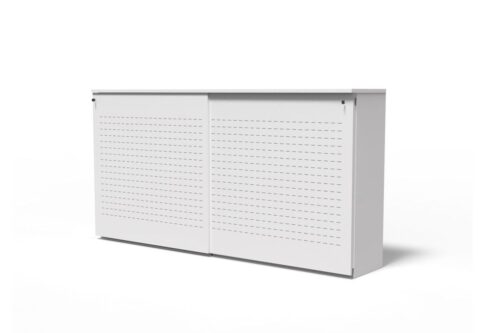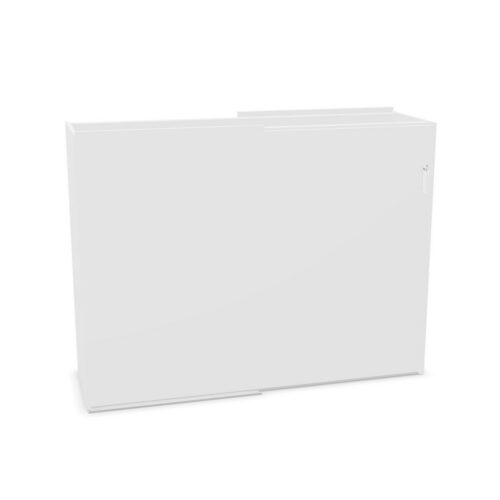


Acoustic metal cabinet doors bring a sound-related element into furniture that also stores everyday office materials. This combination is useful where a cabinet stands within an occupied work area rather than in a separate store room. Metal fronts and acoustic foam can form part of the same door construction, while the cabinet retains its ordinary storage role. Choose the complete unit for its contents, access and position, then assess the specific acoustic feature offered.
Understand the door construction
A metal exterior can give the cabinet a clear, consistent frontage. Where acoustic foam is incorporated, its location and the surrounding construction matter. A perforated or otherwise sound-accessible facing works differently from an uninterrupted solid panel. Review how the chosen door is built; the material names alone do not establish an absorption rating or describe every surface on the cabinet.
Acoustic metal cabinet doors should be evaluated as part of their exact configuration. Confirm which fronts or panels contain the acoustic element and which are ordinary steel components. This is especially important for double-sided storage, where the two faces may have different functions or specifications. Do not infer a complete acoustic enclosure from one treated surface.
Use sliding access in a working area
A sliding-door cabinet can suit a location where a hinged front would project toward a chair or circulation route. The sliding movement stays close to the furniture, but the opening still needs to reveal the materials people use. Check the track arrangement, handles and the width of the accessible section. A person must also have space to stand in front and retrieve the contents.
When acoustic metal cabinet doors are positioned near desks, plan the open cabinet and occupied chairs together. Storage that is convenient for one user should not require a colleague to leave their seat. Leave access to locks and handles clear, and keep movable pedestals or bins away from the door track.
Give the cabinet a clear storage purpose
Consider whether the unit will hold binders, meeting equipment, shared stationery or personal belongings. Shelves and internal divisions should suit those items. Adjustable shelf positions, where included, can help organize different contents, but load allowances and fixing requirements remain specific to the chosen model. Confirm the interior before deciding that a cabinet offers enough usable storage.
A lock may be useful for shared equipment or documents. Check the supplied mechanism and who will manage access. The acoustic construction of a door does not establish its security performance, and a locked front does not change the sound specification. Treat storage access and room sound as separate requirements that the same furniture can help address.
Position the treated face toward the room
The broad face of a cabinet can sit close to a conversation area or along the edge of a desk zone. Consider which surface faces occupied positions and how other furniture affects exposure. A front hidden behind another unit has a different relationship to the room from one facing the working area. Plan that orientation alongside the route people use to reach the contents.
Acoustic metal cabinet doors can be considered with ceiling treatment, screens and wall finishes when reflected sound is an issue. A cabinet alone should not be assumed to deliver speech privacy or sound isolation. For a defined room target, use the relevant product information and a room-level assessment to determine the contribution of each element.
Coordinate metal fronts with nearby furniture
A steel cabinet can provide a more structured edge beside upholstered seats or wood-look desks. Compare the actual finish with frame colors, flooring and wall surfaces. Handles and door divisions also shape the appearance of a long storage run. Repeating a finish can connect units, while keeping frequently used storage visually easy to identify.
Care requirements deserve attention wherever hands and equipment touch the doors. Check how the exposed metal and any acoustic covering should be cleaned. Avoid assuming the same cleaning method suits every component. Maintenance access should remain practical after the cabinet is installed and filled.
Review the complete cabinet choice
Choose acoustic metal cabinet doors within a cabinet that works for the team. Confirm the door movement, internal arrangement, lock and installation needs before comparing the acoustic construction. When storage and room placement are resolved together, the unit can take a useful place beside desks or meeting areas without being asked to solve every sound problem on the floor.