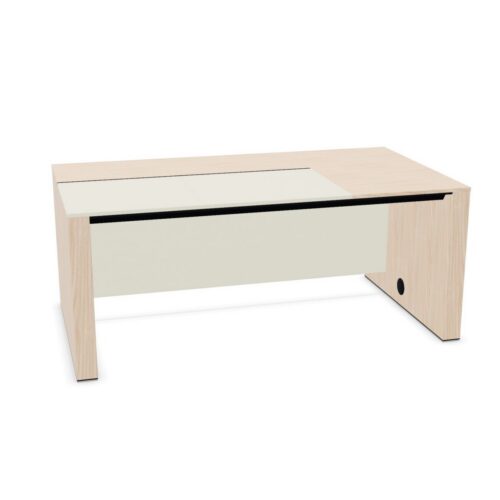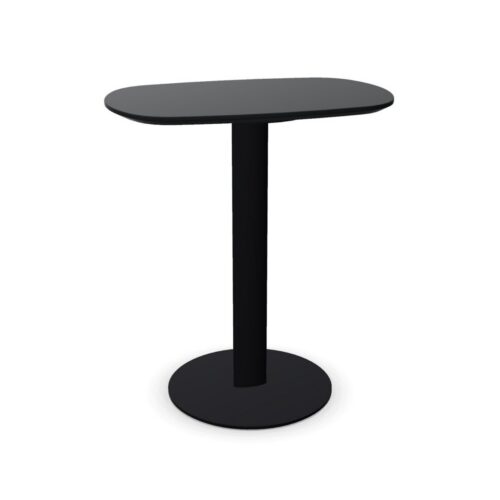


Non-linkable office furniture includes desks, tables, seating and storage that are intended to stand independently rather than connect into continuous benches, runs or clusters. For many workplaces, this is a practical choice: each item can be positioned, moved and replaced without relying on neighbouring products or shared linking components.
The products shown here have a Linkable value of No. That does not indicate lower quality or reduced suitability for commercial use. It simply describes a configuration: these items are not designed as part of a physically connected furniture system. They can still be arranged in rows, groups or individual work settings where the layout calls for separate pieces.
What does non-linkable furniture mean?
Linkable furniture is made with fittings, shared frames or compatible edges that allow separate units to form a joined arrangement. Non-linkable furniture does not have that intended connection method. A desk may sit beside another desk, for example, but it is not specified to create a fixed benching run.
This distinction is useful when reviewing product details for a workplace project. Independent furniture supports layouts where individual items need their own footprint, where clear gaps are preferred between positions, or where the room may be reorganised over time.
Why choose furniture that stands independently?
Separate furniture can make everyday changes easier. Rather than working around a connected bank of units, facilities teams can relocate a single desk, table or chair as requirements change. This can suit offices with varied room sizes, mixed working patterns or periodic internal moves.
- Individual pieces can be positioned to suit the available floor area.
- Changes to one workstation need not affect an entire run of furniture.
- Different product types and sizes can be combined within the same workplace.
- Clear spacing can be maintained where access, circulation or personal work zones are important.
- Replacement or reallocation can be considered item by item.
Non-linkable products can also be appropriate where a consistent appearance is wanted without a permanently connected setup. Matching finishes, shapes or ranges may help create visual order, while allowing each item to remain separate.
Typical workplace settings
Furniture with no linking provision is commonly used across a broad range of office environments. In private offices, standalone desks and storage can be arranged around the needs of a particular role or room. In meeting spaces, separate tables allow layouts to be adapted for presentations, workshops or smaller discussions.
It can also suit touchdown areas, reception spaces, project rooms and hybrid workplaces where the number of users varies from day to day. Individual tables and desks can be set in groups without committing the space to a single continuous configuration.
- Private offices: independent desks, task seating and storage for dedicated work settings.
- Meeting rooms: tables that can be placed to suit the meeting format and room dimensions.
- Flexible work areas: separate workstations that can be redistributed as teams change.
- Training and project spaces: furniture arranged in rows, groups or open layouts without permanent connections.
- Breakout and reception areas: individual seating and tables positioned around circulation routes.
Product types on this archive
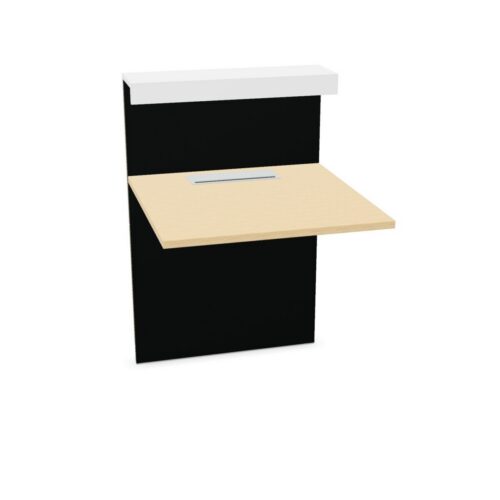
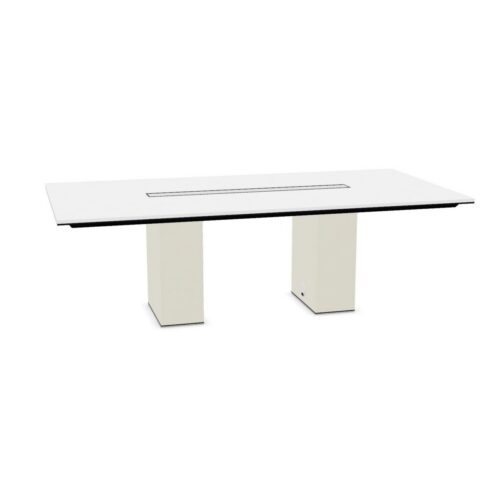
The Linkable: No filter may include many types of workplace furniture, depending on the current catalogue. These can include desks, work tables, meeting tables, office chairs, cupboards, pedestals and occasional furniture. The absence of a linking feature should always be read alongside the product’s dimensions, materials, intended use and other listed attributes.
For desks, consider whether an independent workstation gives the right balance of privacy, cable access and usable surface area. For tables, review the base position and edge clearance, particularly where several tables will be placed close together. For seating and storage, linking may not be relevant at all, but the same independent principle can be useful when planning a flexible interior.
Planning layouts with separate pieces
Although these products are not designed to connect, careful planning still matters when arranging them in a shared office. Measure the room, note door swings, columns, windows and service points, then consider the routes people will use around the furniture. A row of independent desks can look orderly when aligned, while retaining small gaps for access and cleaning.
Where teams work alongside one another, decide whether each position needs its own desk or whether a purpose-designed benching system would better meet the brief. Standalone furniture is often the more adaptable option when occupancy is uncertain or when work zones may need to be separated later.
Questions to consider
- Will the layout need to change regularly, or remain stable for a longer period?
- Is there enough space for circulation around each independent item?
- Do users need dedicated workstations, shared touchdown positions or a combination of both?
- Will adjacent desks require coordinated cable management, even though they are not linked?
- Are matching sizes, finishes and heights needed to create a consistent visual arrangement?
- Would separate pieces make future additions, moves or replacements simpler?
Choosing between linkable and non-linkable options
The right choice depends on the planned use of the space rather than on one format being universally preferable. Linkable systems can be useful for structured desk banks and repeated workstation layouts. Products marked No for Linkable are more appropriate when independently placed furniture is required, or when a fixed connected arrangement is not part of the specification.
Review individual product information before finalising a layout. In particular, check dimensions, configuration options, worktop or tabletop shape, storage requirements and the practical needs of the people using the space. A product that is not linkable may still coordinate effectively with other items in the same range or with complementary office furniture.
Related Myntwork ranges
This archive helps identify products intended for standalone placement within a broader workplace scheme. To compare desks, seating, tables, storage and other options across the catalogue, browse the office furniture collection. For further guidance on matching furniture to room use, team requirements and future flexibility, see our resource on choosing office furniture.

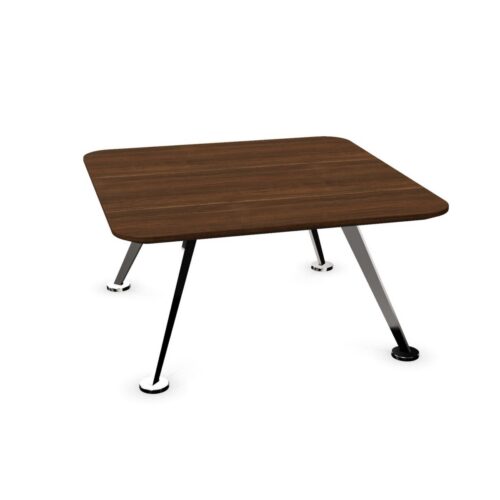






Frezza