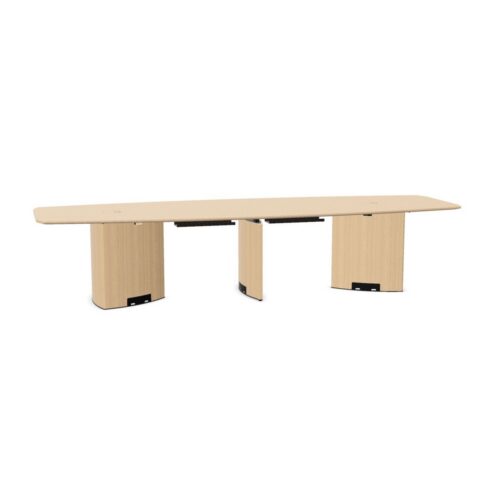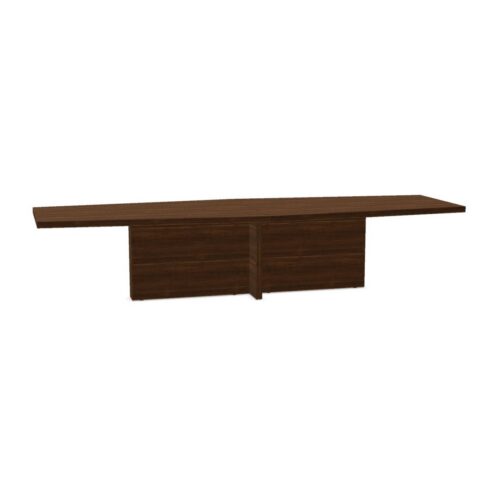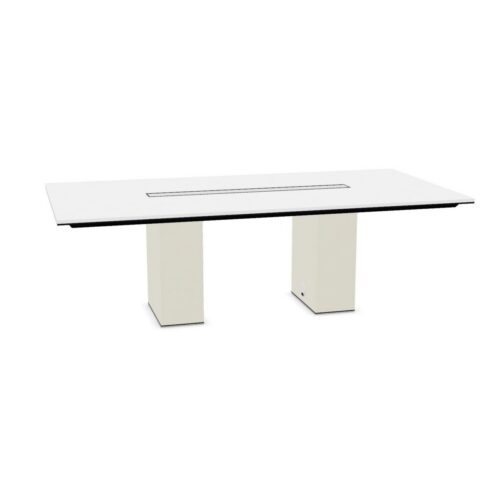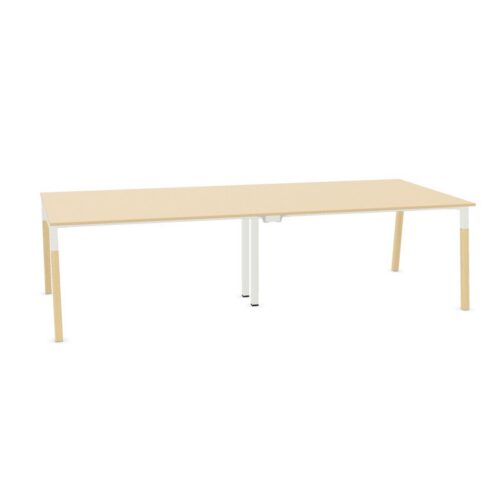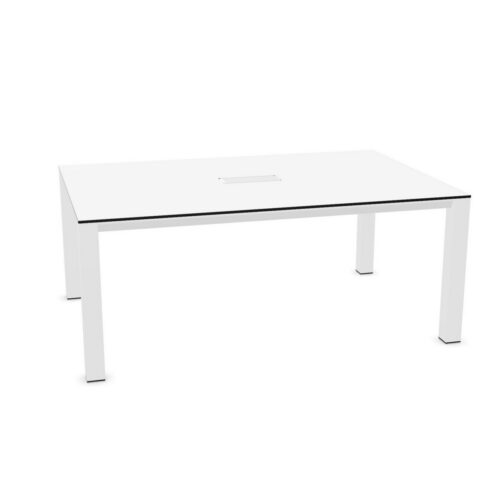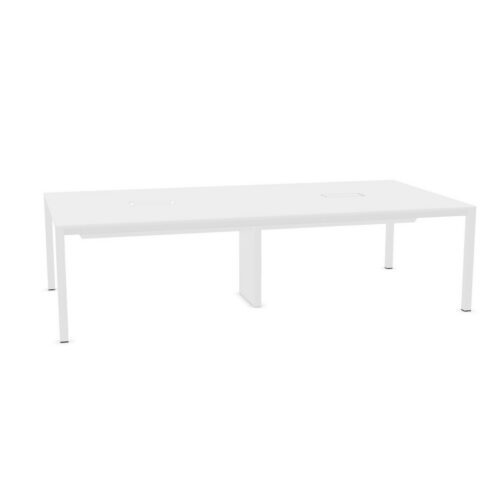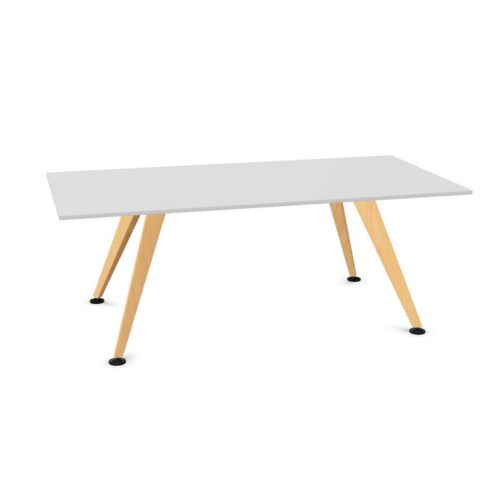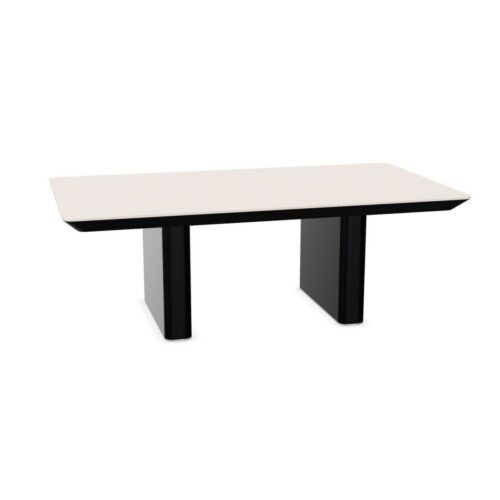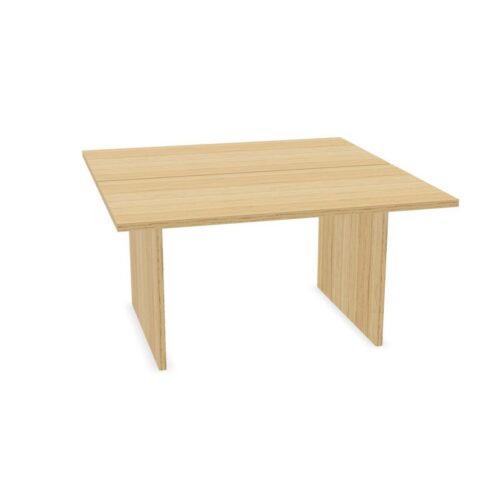


12 person meeting tables and workplace furniture are intended to support larger group discussions, presentations and collaborative work. This capacity is commonly selected for formal meeting rooms, project spaces and shared work areas where several colleagues need to sit together comfortably.
On Myntwork, the 12 people filter identifies products with a typical seating or workplace capacity for twelve users. It is a useful starting point when comparing table formats, room layouts and supporting furniture, but the final number of seats will always depend on chair dimensions, access space and the way a room is used.
What does 12 people capacity mean?
A 12-person capacity usually refers to the number of people a table or meeting furniture arrangement is designed to accommodate in a standard layout. For a conference table, this may mean seats positioned around the full perimeter. For benching, worktables or collaborative furniture, it can indicate the number of intended work positions.
It should be treated as a planning guide rather than a fixed rule. A table that seats twelve in a compact setting may be more comfortable for fewer people when attendees need laptops, notebooks, refreshments or documents. Similarly, a room used for presentations may need clear sightlines and space for a screen, camera or whiteboard in addition to the table and chairs.
Why choose furniture for twelve people?
Furniture sized for twelve people helps create a dedicated setting for meetings that involve whole teams, cross-functional groups, client sessions or board-level discussions. It can reduce the need to combine smaller tables or move furniture before each meeting, supporting a more consistent room layout.
- Provides a central place for larger team meetings and workshops.
- Helps give each attendee a defined seat and usable worksurface.
- Supports layouts for in-person, hybrid and presentation-led meetings.
- Can make efficient use of a meeting room intended for medium-to-large groups.
- Offers a clear capacity reference when planning shared workplace areas.
The right arrangement will depend on the organisation’s meeting patterns. A twelve-seat room may be used every day by a department, occasionally for formal reviews, or flexibly as a project room. Considering these differences early can help determine whether a fixed conference table, modular arrangement or shared worktable is most appropriate.
Where are 12 person tables commonly used?
This capacity is often found in larger meeting rooms where a group needs to work around one surface. Typical settings include head offices, regional workplaces, training areas, client-facing meeting suites and multi-purpose collaboration rooms. It can also suit a central table in a project area, where teams gather for planning sessions without needing a formal boardroom environment.
In a dedicated conference room, twelve places can accommodate a meeting leader, internal stakeholders and visitors without the room feeling overly crowded. In an open-plan office, the same capacity may be used for team briefings, design reviews or temporary touchdown work. The surrounding environment matters: open spaces may call for more consideration of privacy and sound, while enclosed rooms need adequate circulation around the furniture.
Furniture types in this capacity
The 12 people attribute can apply to more than one furniture type. Conference and boardroom tables are the most familiar choice, but larger meeting tables, modular tables and workplace benches can also be configured for this number of users. Product shape and base design influence how easily people can sit down, move chairs and use the table surface.
- Rectangular tables are a practical format for presentations and structured meetings, with clear positions along each side and at the ends.
- Boat-shaped or tapered tables can create a more conversational layout while retaining a formal meeting-room presence.
- Round or oval arrangements may help participants face one another, subject to the available room dimensions.
- Modular tables can be useful where the room must switch between a twelve-person meeting, training layout and smaller group sessions.
- Large shared worktables may suit collaborative spaces where people work together for longer periods.
When browsing conference tables, consider both the stated capacity and the table’s dimensions. Two products listed for twelve people may create very different experiences depending on their length, width, leg placement and intended chair layout.
Planning space around a 12 person table
A table is only one part of a workable meeting room. Chairs need room to be pulled out, people need a route to reach their seats, and the group may need space at one end of the room for presentation equipment. If the table is placed too close to walls, storage or glazing, the room can become difficult to use even when the seating count is correct.
Think about how people will enter and leave the room, particularly during larger meetings. It is generally helpful to avoid layouts where people seated in the middle must repeatedly ask others to move. Consider the location of doors, power points, display screens and video-conferencing equipment before deciding on the table orientation.
How to select the right 12 person arrangement
Start with the room’s usable dimensions rather than its overall floor area. Measure around columns, radiators, doors and built-in storage, then allow for chair movement and circulation. Next, establish what twelve attendees will need during a typical meeting. A room used mainly for brief stand-up reviews has different furniture requirements from one used for day-long workshops.
Questions to consider
- Will all twelve users need space for a laptop and paperwork?
- Is the room used for video calls, presentations or hybrid meetings?
- Do visitors need to be seated at the table regularly?
- Will chairs with arms or larger executive-style seating be used?
- Does the table need integrated access to power and data?
- Should the furniture remain fixed, or be reconfigured for training and events?
- Is there enough clearance for people to move around the room comfortably?
It is also worth considering the relationship between capacity and frequency of use. If a room normally hosts six to eight people but occasionally needs twelve seats, flexible supplementary seating may be more appropriate than dedicating the entire room to a larger table. Conversely, a regularly occupied twelve-person room benefits from furniture that gives each participant adequate personal space.
Supporting a productive meeting environment
A well-planned twelve-person setting brings together the table, seating and technology requirements of the room. Chairs should be selected with the expected duration of meetings in mind, while storage, display furniture and cable management should be positioned so they do not obstruct access. In larger rooms, a coherent layout can help participants engage with one another and with shared content.
For organisations planning several room sizes at once, capacity filters can help create a consistent approach across the workplace. Comparing furniture by the number of people it accommodates makes it easier to identify suitable options for small huddle spaces, everyday team rooms and larger conference areas without losing sight of the individual room’s purpose.
Related meeting furniture and planning resources
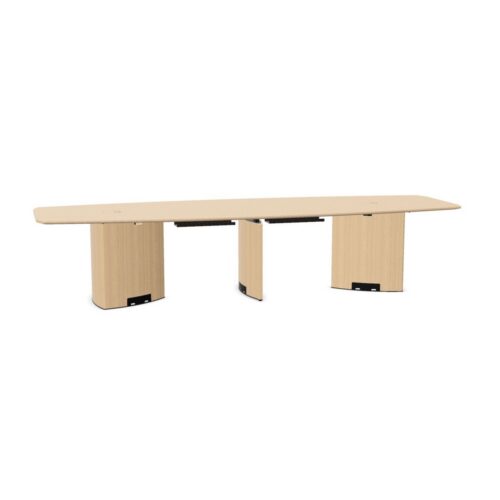
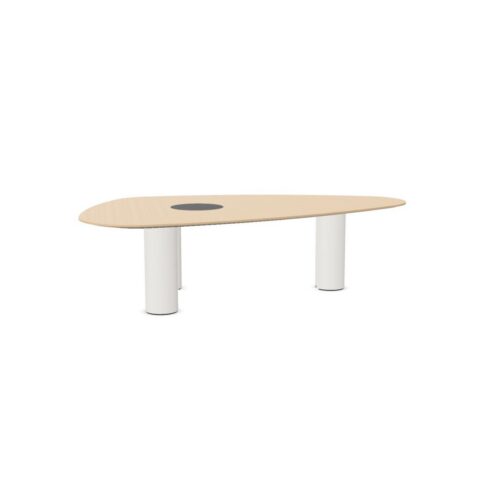
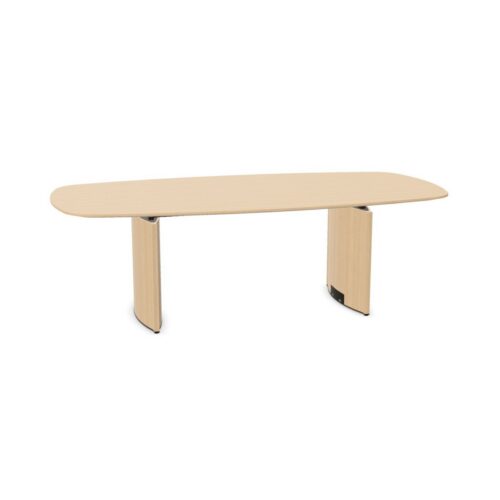
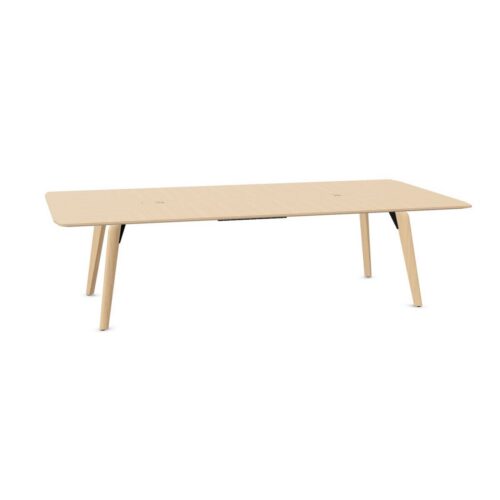
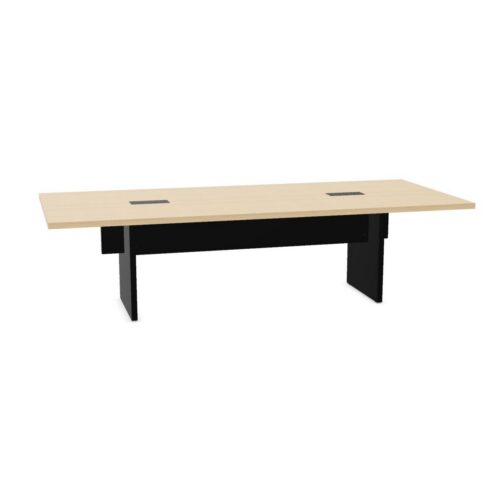
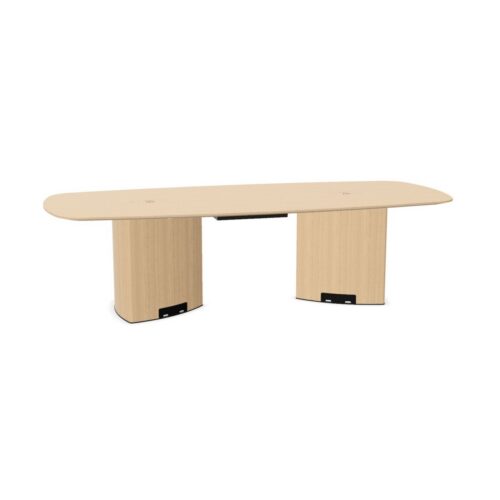
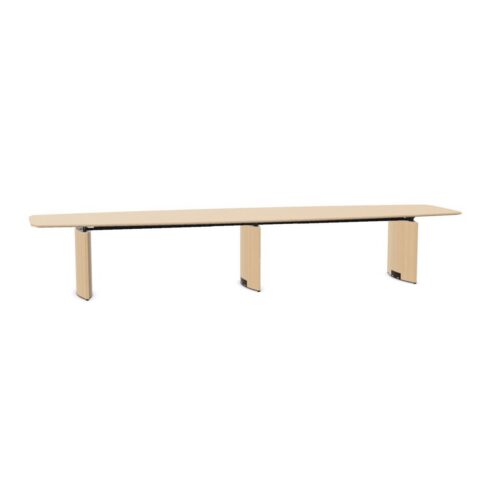
The products shown here provide a starting point for spaces designed around twelve users. For a wider view of tables suited to formal discussions, presentations and larger group sessions, explore Myntwork’s conference tables. For help assessing room dimensions, layouts and practical requirements before selecting furniture, refer to the meeting room planning guide.


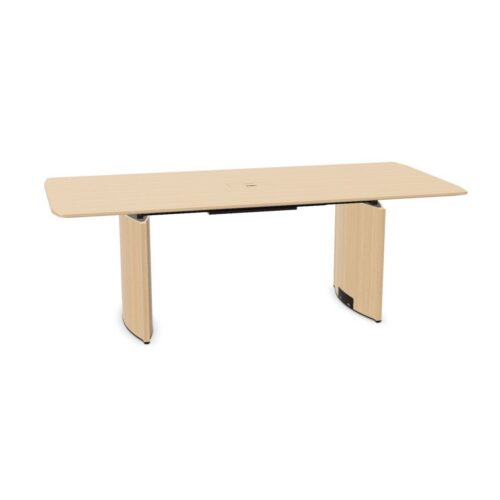

Bralco