ANSI/BIFMA X5.1 office chairs bring a defined seating test standard into the conversation when you are furnishing workstations, private offices or meeting rooms. This standard covers general purpose office and institutional seating, including many single seat chairs with or without adjustment features. It helps you compare structural performance claims for the chair configuration you intend to use. Seat comfort, fit and appearance remain separate decisions that deserve equal attention.
What X5.1 addresses
ANSI/BIFMA X5.1 sets out tests for general purpose office chairs. Depending on the chair design, these look at components such as the seat, back, arms and base under specified loading and repeated use. The point is to evaluate whether a defined chair construction meets the standard’s performance requirements. It is a product test reference, not an ergonomic rating or a promise that every user will find a chair comfortable. Ask for a dated report or product declaration that identifies the exact model and applicable version of the standard.
Choose the chair around its work
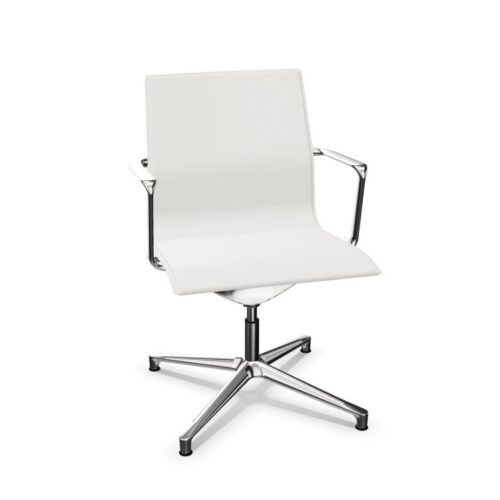
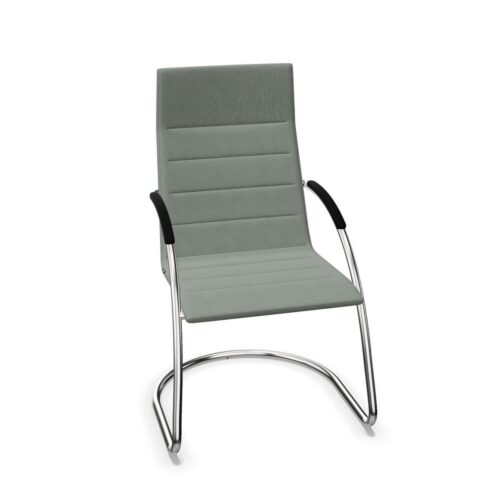
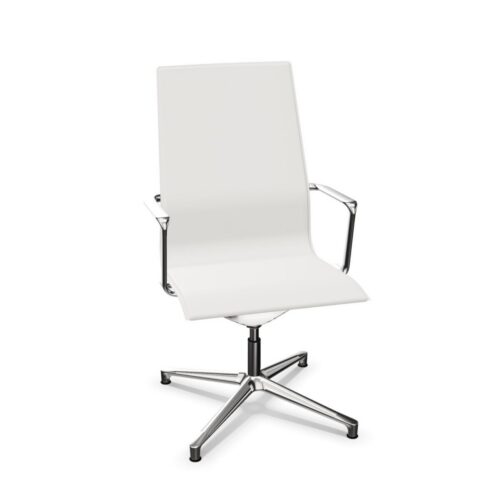
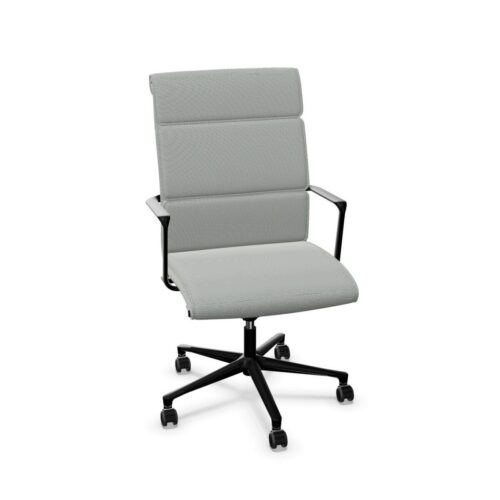
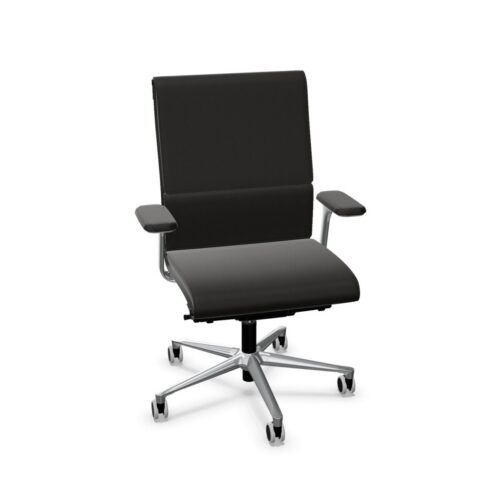
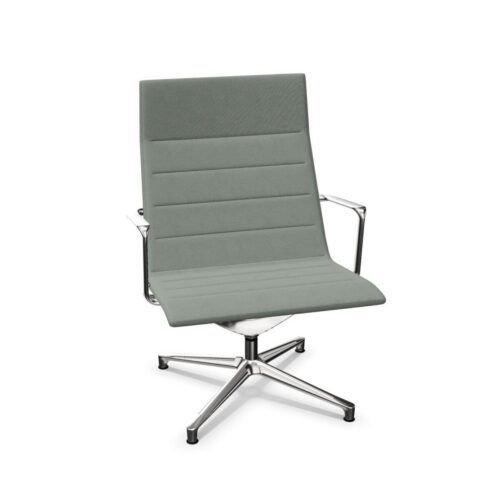
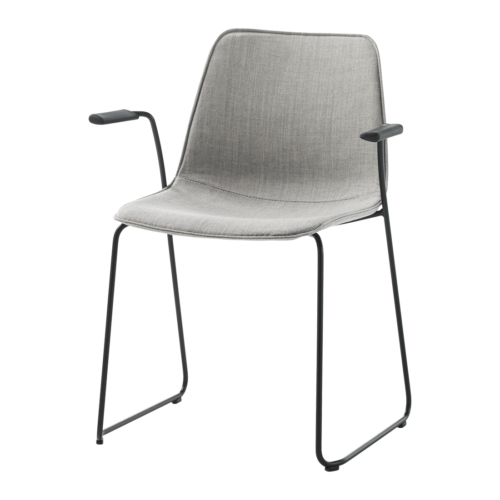
A swivel task chair at a desk needs to support movement between keyboard, screen and nearby work surfaces. An executive chair may put greater emphasis on a high back and upholstered feel. A conference chair serves shorter seated sessions and may have a fixed frame rather than the adjustments expected at a workstation. ANSI/BIFMA X5.1 office chairs can appear across these forms, but the standard alone does not tell you which format belongs in a particular space. Start with the tasks, available floor area and how frequently seats will be shared.
Check the tested configuration
Armrests, castors, glides, upholstery and base design can change how a chair behaves and how it is used. A mesh backed swivel chair with castors is materially different from a fixed height visitor chair with glides, even when both fall under the broader seating standard. Compare the report’s model codes, component options and any family coverage against the chair you are considering. If an option is important to the project, confirm that the supporting evidence applies to it. A generic statement about a collection leaves that detail unanswered.
Comfort and adjustment still matter
ANSI/BIFMA X5.1 office chairs may offer seat height controls, back movement, arm adjustment or a more fixed sitting position. Test status does not establish the right seat depth, range of motion or posture support for a particular user. For assigned desks, consider how the chair relates to desk height, monitor position and the person’s working pattern. For shared desks, controls should be easy to understand and reset. In meeting rooms, a simple chair that people can move and sit in comfortably may be preferable to extensive adjustment. Let use guide the specification.
Plan for the room, not only the chair
Castors suit some floor finishes and can make quick movement around a workstation easier; glides can help a chair stay put at a meeting table. Upholstery affects touch, cleaning routines and visual character. Armrests can support sitting and standing, yet may also affect how neatly a chair fits under a table. Check circulation around desk clusters and the clearance needed for people to enter and leave seats. When selecting ANSI/BIFMA X5.1 office chairs, these practical details determine whether a technically documented chair works well in the completed room.
Use the standard as one comparison point
Keep the standard reference beside dimensions, adjustment information, care guidance and the product’s intended use. Ask which edition is claimed, whether the entire chair or a named configuration was assessed, and what evidence is available. If the project also needs emissions information, upholstery fire performance or a sustainability disclosure, those subjects require their own documentation. X5.1 does not combine them into a single approval. For ANSI/BIFMA X5.1 office chairs, record the claimed edition and the precise tested options alongside the intended seating plan. A clear evidence trail helps you compare chairs fairly while leaving space for the human questions of comfort, movement and day to day suitability.