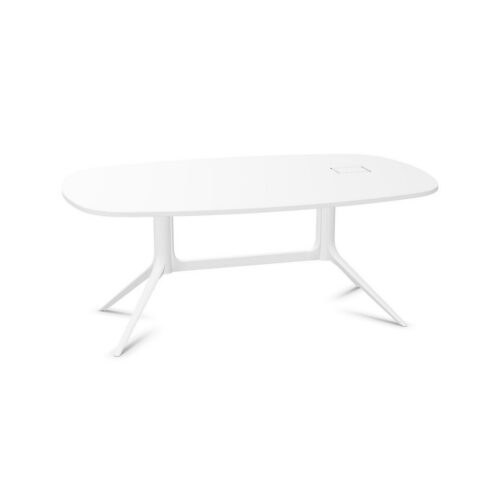
EN 15372 meeting tables belong to a wider category of tables intended for non-domestic settings. The standard sets strength, durability and safety requirements for these surfaces. It can be relevant to a conference room, collaborative area or reception setting, where a table will be used by different people throughout the day. The claim should be checked against the precise table and standard edition; it does not tell you everything about the room, its power accessories or how comfortable people will be around it.
Where the standard applies
EN 15372 concerns non-domestic tables. Meeting rooms and shared spaces are natural contexts for it, but the standard’s scope differs from that of dedicated office work desks. A table that resembles a workstation should be assessed against its actual intended use and the documentation supplied for it. The current edition should be identified in a report or declaration. EN 15372 meeting tables can take different forms, so a broad claim on a collection page needs a model-level check before it enters a project specification.
Conference rooms and smaller meetings
A large conference table can anchor presentations and formal discussion, whereas a compact meeting surface may support quick decisions or laptop collaboration. Table shape affects eye contact, chair placement and how easily people move through the room. Consider base positions and legroom, especially when chairs will occupy all sides. Cable access is useful if people routinely bring devices, but it should not force awkward seating positions. A documented table is most valuable when the layout also supports the meetings it is intended to host.
Materials and construction
Glass, melamine and other top materials can create very different visual and maintenance conditions. Reflective surfaces may alter how screens and lighting feel, while edge details affect touch and cleaning. The base is equally important: a central support, angled legs or a longer frame can change knee space and the table’s look. When comparing EN 15372 meeting tables, ask whether the tested combination includes the selected top, support and joining arrangement. A different finish may be minor, while a different base can change the construction that the evidence describes.
What the claim does not cover
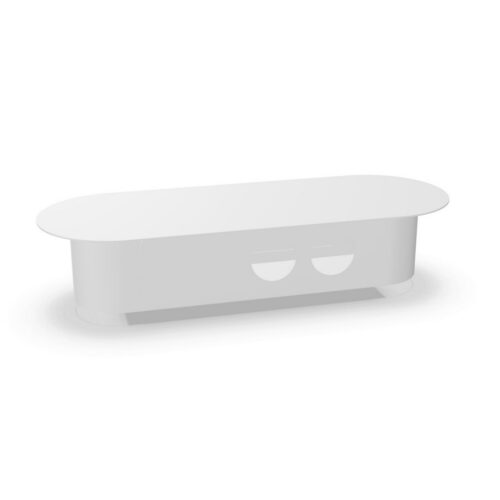
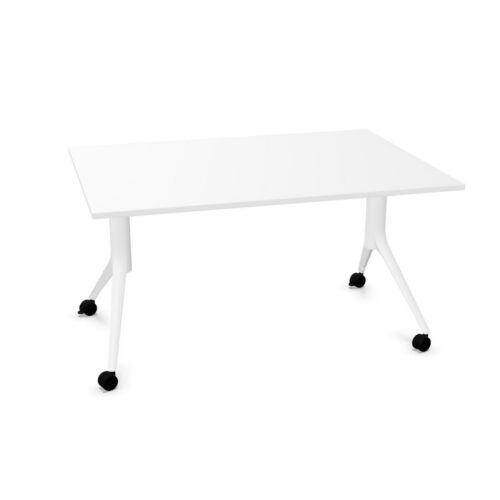
The standard addresses non-domestic table strength, durability and safety requirements. It is not an electrical approval for sockets, a guarantee against surface staining or an assessment of an adjacent chair. If a table includes integrated power, review the technical information for that system separately. If it will be moved often, consider castors, handling and any related documentation. A coffee table and a formal conference table can both be used in shared rooms, yet their daily demands differ. Match each claim to the exact product and use.
Compare documented options fairly
Ask for the model reference, the edition of EN 15372 and the report or declaration behind the claim. Check whether the chosen dimensions, top shape and base are within the documented range. If a manufacturer groups configurations as a family, the basis for that grouping should be clear. Keep this information beside the room schedule and surface specification. EN 15372 meeting tables then become easier to compare without treating a test reference as a substitute for dimensions, finishes and service requirements.
Complete the room plan
Place the proposed table on the floor plan with the actual chairs, doors and presentation equipment. Leave room for people to pull seats back and for colleagues to pass behind them. Think about sightlines, access to power and whether the room must switch between meeting formats. A sturdy table that obstructs movement will still be a poor fit. Selecting EN 15372 meeting tables is a combination of verified technical information and careful spatial planning. Review both before committing to the furniture schedule. If the room also serves as a temporary project space, check whether people will work around the table for extended periods. That use may call for a closer look at chair comfort, equipment placement and cable management than an occasional meeting requires.