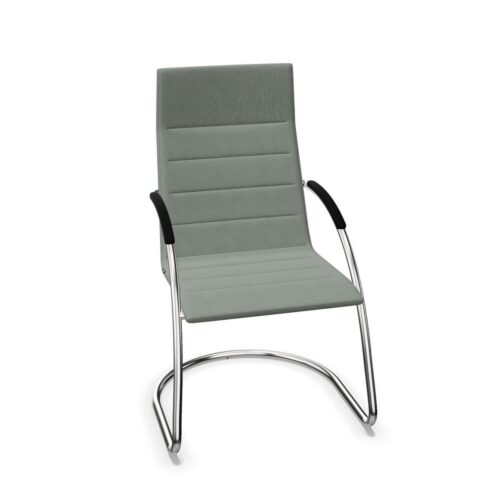
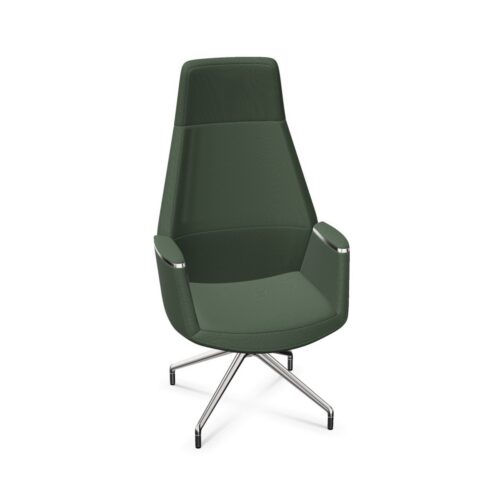
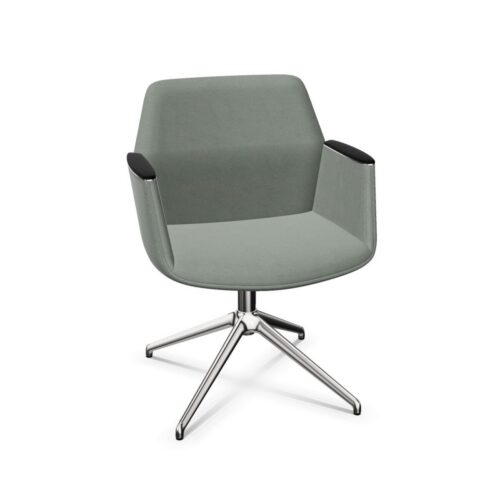
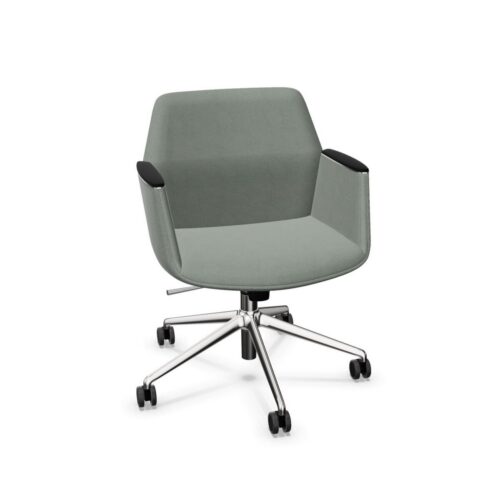
EN 16139 Level 1 seating describes non-domestic chairs assessed to a stated test severity level under the relevant edition of EN 16139. The standard concerns safety, strength and durability of seating for shared environments, including office visitor chairs. It does not generally cover office work chairs, which have a different intended use. If a product carries a Level 1 claim, the useful question is whether the report identifies the same chair configuration that will be placed in your meeting or reception area.
The seating scope
EN 16139 applies to non-domestic seating such as visitor, meeting and lounge chairs, subject to its stated exclusions. The current standard describes safety, strength and durability requirements and test methods. The Level 1 wording should be read with the edition in the product evidence, because editions and severity descriptions can change. EN 16139 Level 1 seating is therefore a more precise claim when it names both a model and a standard version. It is not a general label for every chair displayed beside it.
Choose by the room’s use
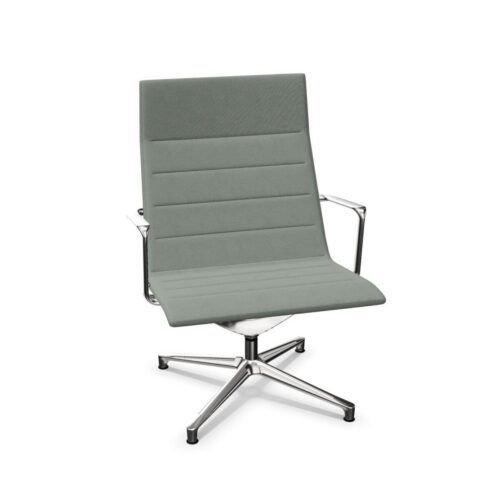
Visitor chairs in a private office may be occupied for short conversations, while conference chairs can support longer meetings. A lounge chair in a reception area has a different sitting posture and may be used by many people throughout a day. Consider seat height, back shape, arm support and ease of entry for each setting. These qualities are visible in the product and room plan, but cannot be inferred from a strength test alone. Allow people room to pull chairs back and move between seats without blocking a route.
What the tests leave open
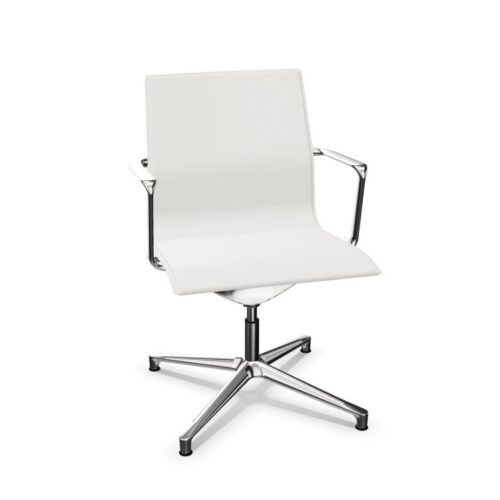
The standard’s structural scope does not establish the durability of upholstery fabric, the fire response of a cushion or electrical safety. Its published scope also excludes several mechanisms and office work chairs. A chair can be suitable for a visitor setting without being the right choice for all day workstation use. When reviewing EN 16139 Level 1 seating, obtain separate information for upholstery, cleaning and any adjustable features that matter to the project. This keeps the technical claim focused on the aspect it actually supports.
Compare constructions
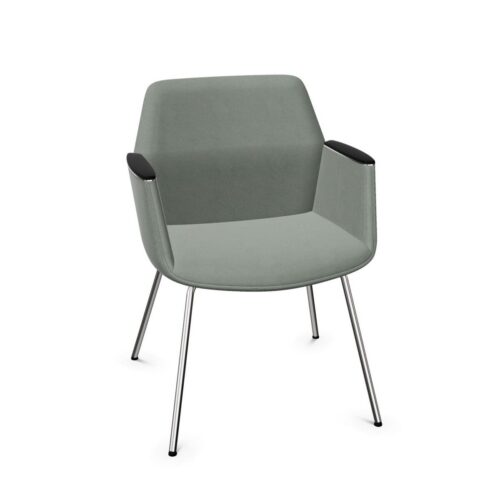
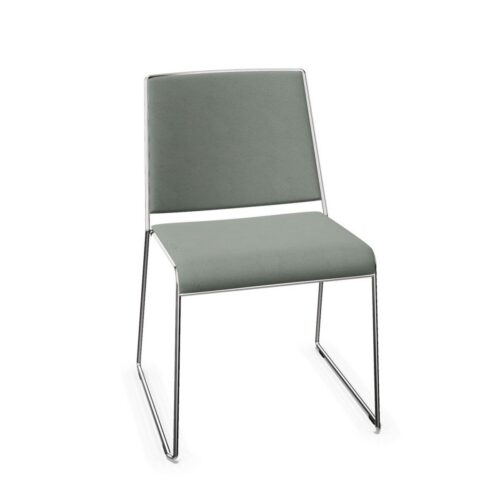
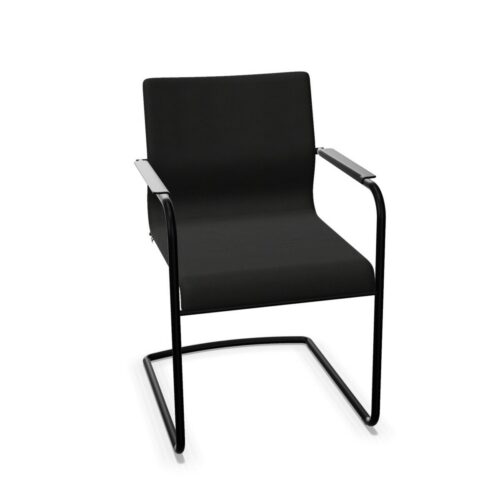
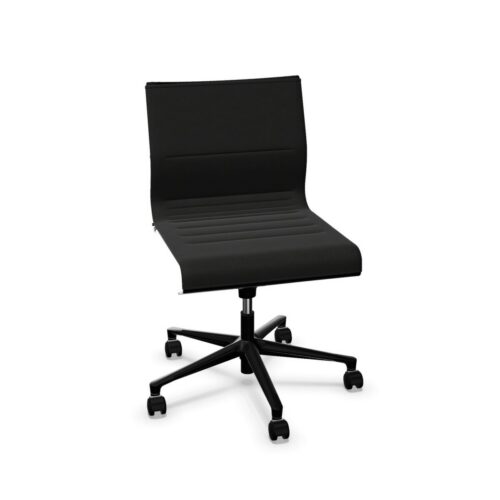
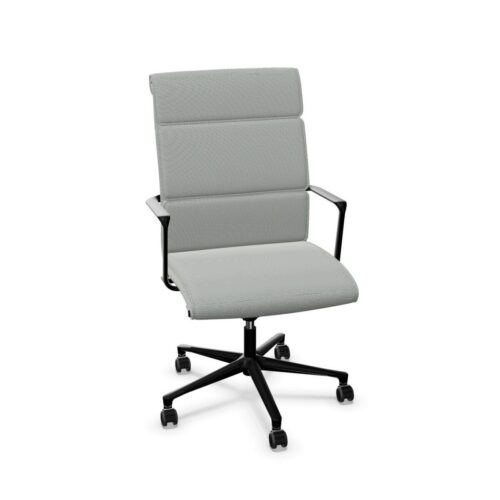
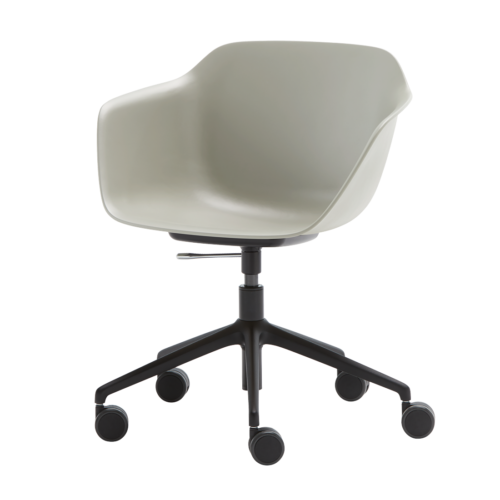
A four leg meeting chair, a cantilever frame and a softly upholstered lounge seat carry weight differently. Armrests and seat shells may also vary within one collection. Check whether the test evidence names the selected frame, back, arms and seat arrangement, or explains how variants are covered as a family. A report for one construction should not be casually transferred to a substantially different one. EN 16139 Level 1 seating can provide a useful common reference only when the compared products are documented at the configuration level.
Understand Level 1 in context
The level describes a test severity within the cited standard edition; it is not a comfort grade or a universal prediction of service life. More demanding environments may have different project requirements. A room that is reconfigured frequently may put practical emphasis on chair weight, stacking and floor protection, while a fixed meeting room may emphasize comfort and appearance. The right severity level should be considered with the expected application and available evidence. Avoid turning the number into a claim that a chair will never loosen, mark or need maintenance.
Make the specification clear
Record the model, frame and upholstery option, then note the claimed EN 16139 edition and Level 1 evidence. Keep the report or declaration accessible with the seating schedule. Review the chair in the actual room layout, including table clearance and how people will approach it. This process lets EN 16139 Level 1 seating contribute to a considered decision, alongside comfort, finish and care requirements. The result is a seating choice grounded in both documented testing and the way the space will operate. Where the same room hosts several activities, observe how the chair behaves when it is moved, grouped around a table and returned to storage. These everyday actions can shape the decision as strongly as a formal testing claim.