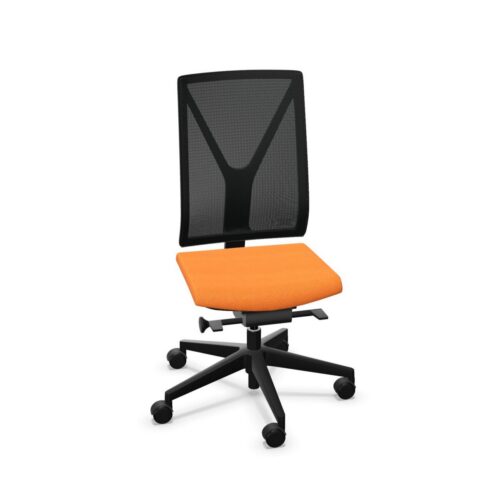
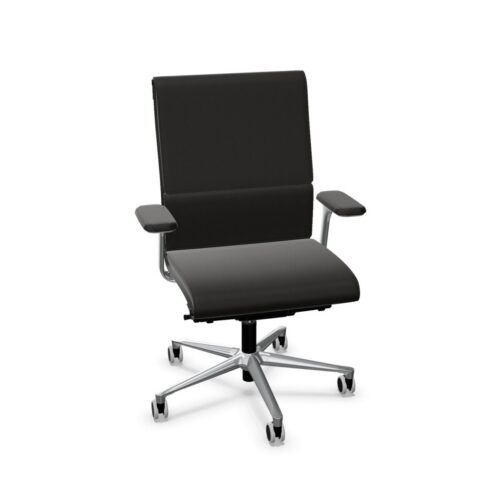
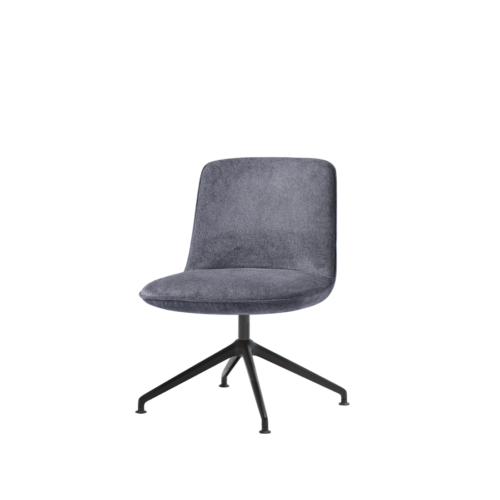
EN 1335 office chairs are relevant when a workplace brief calls for an office work chair assessed against a recognized standard. The EN 1335 series addresses office work seating, with separate parts concerning dimensions and safety requirements. That reference gives a project team something specific to review alongside the chair’s practical specification. It should be read with the documentation for the selected model, including the part and edition named in the supporting information.
What the standard reference tells you
When comparing EN 1335 office chairs, distinguish a reference to the series from a detailed statement about a particular product. EN 1335-1 concerns the dimensions of office work chairs and the methods used to determine them. EN 1335-2 concerns safety requirements. A product description that simply says EN 1335 does not explain every aspect of the assessment.
Use the reference to guide the next questions: which part is stated, which version was assessed and which chair configuration is covered? This is especially useful when several similar chairs are being considered. A precise reference helps keep the comparison tied to the actual seating under review rather than to an assumption about a wider family of products.
Choose a chair around the workstation
The working arrangement still needs attention once a standards reference has been identified. Consider how the user sits at the desk, reaches the work surface and uses the backrest. The relationship between the chair and the surrounding equipment affects the setup, so compare them together wherever possible.
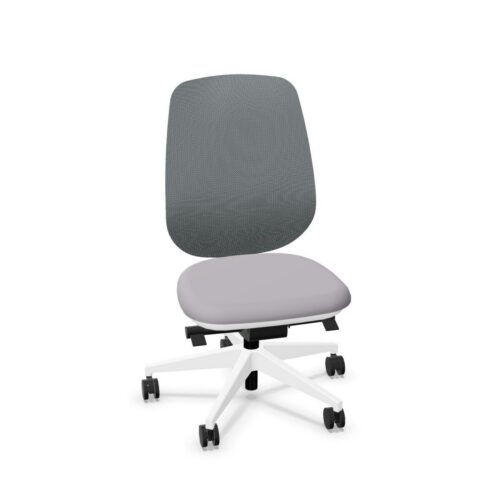
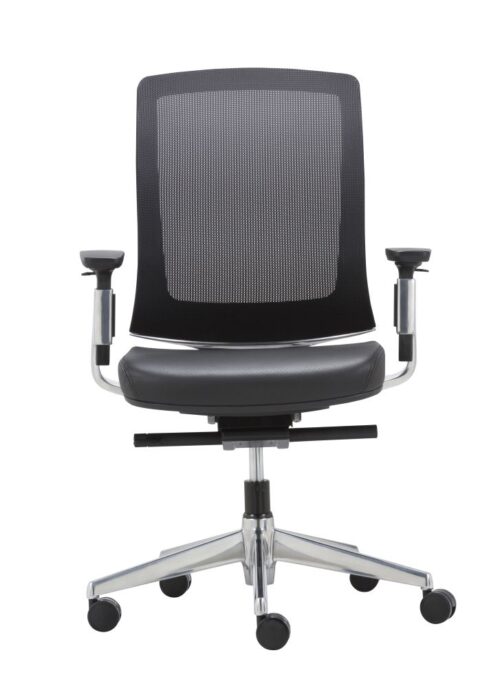
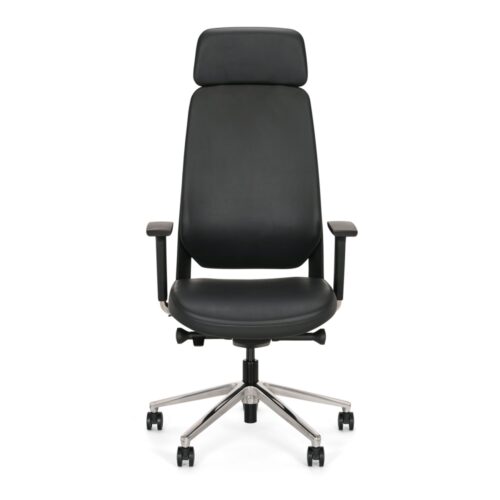
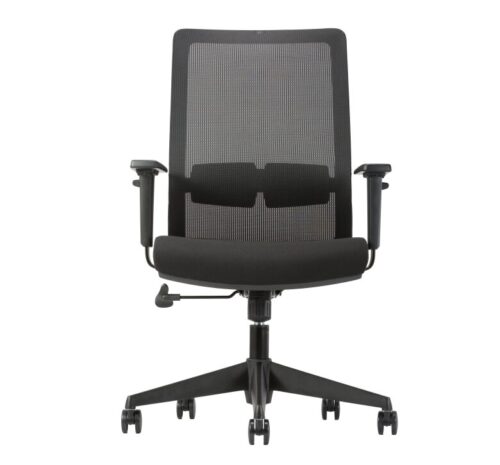
EN 1335 office chairs can have different backrest forms, armrest arrangements and movement controls. Those differences remain relevant to the person who uses the chair. Review the actual adjustment options and how easily they can be operated. For a shared desk, consider whether users can understand the controls and return the chair to a suitable working position between changes of occupant.
User fit is an individual comparison
A standards reference is a useful specification detail, but it does not make every assessed chair equally suitable for every person. Compare the usable seat, the position of the backrest and any adjustment range with the intended user. A trial can reveal practical differences that are hard to judge from a product image, particularly when the person regularly changes between typing, reading and conversation.
Think about the complete workstation when reviewing fit. Desk height, monitor position, keyboard location and the space available for the chair all contribute to the arrangement. If a person has a specific seating requirement, assess that requirement directly. Do not treat the standards label as a substitute for establishing what the individual needs from the chair.
Match documentation to the selected configuration
For EN 1335 office chairs, retain the document or declaration that supports the stated reference. Match its product identifier with the version being specified. A different back, base, armrest or other configuration can make a model comparison less straightforward, so resolve any mismatch before relying on the document for a project decision.
The document should make the standard reference and its scope clear. If only a short designation appears in the product information, request clarification about the relevant evidence. Keep that check proportionate to the brief: the purpose is to understand the claim accurately and to make the same comparison across the chairs under consideration.
Build a clear office-chair specification
Bring the standards requirement together with the everyday requirements of the workplace. Record the selected model, the stated EN 1335 reference, the adjustments needed by its users and any room-specific details that affect the choice. This makes it easier to assess alternatives without losing track of the original purpose of the chair.
EN 1335 office chairs offer a focused starting point for that assessment. Compare the evidence behind the reference, then consider how each chair works at its intended desk and for its intended users. A clear specification combines those two views: a documented product requirement and a seating setup that has been considered in the context of the actual workplace.



Myntwork
Myntwork
Myntwork