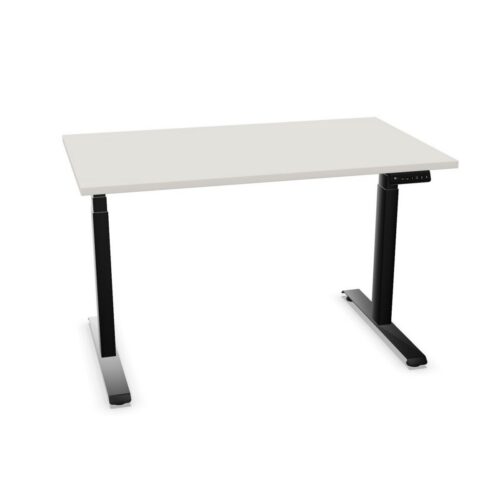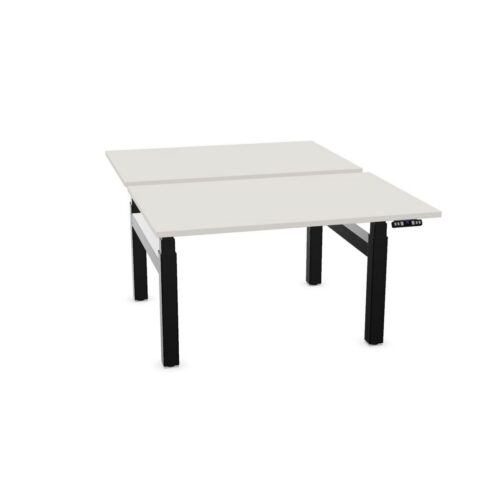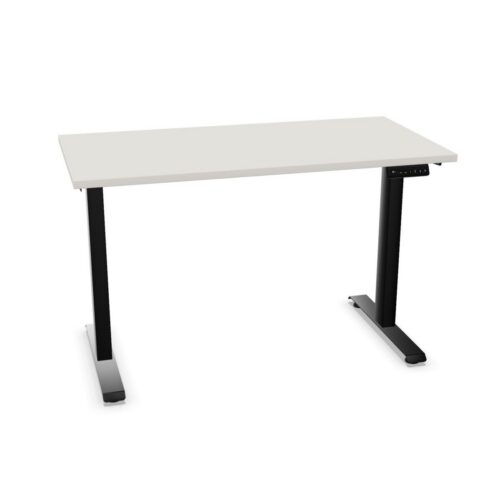


Blue surface office furniture brings a clear visual identity to workspaces while keeping the colour focused on the desktop, cabinet front or another visible outer surface. On this page, Blue refers to the work surface or outer finish rather than the leg, frame or base colour, which may vary between products.
For procurement teams, designers and facilities managers, a blue surface can support a planned colour scheme across individual workstations, meeting areas and shared storage. The range may include different shades and materials, so it is useful to compare product imagery, finish details and dimensions alongside the colour filter.
What does a blue surface colour mean?
Surface colour describes the visible working or outer-facing part of a furniture item. On desks and tables, this is usually the top where people work, meet or place equipment. On storage, it may mean the doors, drawer fronts, carcass or other outward-facing panels.
It does not describe the colour of the frame, legs, handles or understructure unless the individual product specification states this separately. This distinction is important when coordinating furniture: a blue desktop may be paired with a white, black, grey or metallic base.
Why choose blue work surfaces?
Blue is widely used in workplace interiors because it can provide contrast without the visual intensity of brighter warm colours. Depending on the shade, it can feel reserved and professional, or add a more recognisable accent to an otherwise neutral fit-out.
- It can help establish a consistent palette across desks, tables and storage.
- It can provide a visible contrast against pale walls, neutral flooring or light frames.
- It can distinguish team areas, project zones or shared facilities within a larger floorplate.
- It can support brand-led or wayfinding-led interior schemes where blue is already in use.
- It offers an alternative to standard white, grey and wood-effect worktops.
The practical effect will depend on lighting, adjacent finishes and the particular blue selected. A deep blue top may read very differently from a lighter or more saturated finish in the same room.
Where blue-surface furniture works well
Blue surfaces can be considered for both customer-facing and back-of-house settings. In open-plan offices, they can introduce colour at the workstation level without requiring every frame or seating component to match. In meeting rooms, a coloured table surface can create a focal point while allowing chairs and bases to remain neutral.
They are also relevant to collaborative areas, touchdown spaces, education-style settings and reception-adjacent work zones. For larger projects, repeatable surface colours can help bring coherence to furniture supplied across several rooms or departments.
Furniture types to compare
This filter can cover a broad mix of office furniture, subject to the current catalogue. The blue finish may appear on a principal worktop, a storage face or another exposed panel, rather than across the entire item.
- Desks and benching systems with blue desktops or return tops.
- Meeting, conference and occasional tables with coloured table surfaces.
- Pedestals, cupboards and credenzas with blue drawer fronts or doors.
- Collaborative tables and breakout furniture with visible outer panels.
- Reception or ancillary units where the surface finish contributes to the overall scheme.
Check each listing carefully where matching items are needed. Products with the same surface colour can differ in sheen, edge treatment, substrate, configuration and base finish.
Coordinating a blue surface with other finishes
A blue work surface can sit comfortably with black, white, grey, chrome or timber-look components, but the right combination depends on the intended character of the space. Dark bases can create a more defined, graphic appearance, while light frames may make the coloured top feel less dominant. Wood tones can introduce warmth where a scheme needs balance.
Consider the furniture in context rather than selecting colour in isolation. Wall finishes, daylight, task lighting, flooring and nearby upholstery all influence how a surface reads. For projects using several blue products, review samples or product finish information where available to avoid assuming that every blue is identical.
How to select the right item
Start with the function of the furniture, then use surface colour as part of the specification. A desk needs to suit its users, equipment and cable-management requirements; a storage unit needs the right capacity and access arrangement; a meeting table needs to fit the room and support the expected number of people.
Questions to consider
- Which visible component is blue: the desktop, door, drawer front, outer panel or another surface?
- Is the shade appropriate for the surrounding palette and available light?
- What frame or base colour is supplied with the selected configuration?
- Will the surface need to coordinate with existing desks, storage or meeting furniture?
- What dimensions, layout and access clearances does the room require?
- Is the finish suitable for the expected level of daily use and cleaning regime?
For multi-item orders, recording the exact product and finish selection helps maintain consistency between rooms and later additions to the workplace.
Planning blue furniture within a workplace
Colour can be a useful part of space planning, but it works best alongside clear decisions about circulation, task types and shared amenities. A blue surface may identify a collaboration setting or a particular neighbourhood, yet desks and tables still need suitable spacing, power access and room for chairs to be used comfortably.
The office space planning guide provides a useful starting point for considering furniture placement and workplace zones. For a broader review of specifications, materials and workplace needs, see the advice on choosing office furniture.
Related Myntwork ranges
Use this Blue surface filter to narrow the catalogue, then review individual product details for the exact surface, frame and configuration offered. Where a coordinated scheme includes more than one furniture type, the wider office furniture collection can help compare desks, tables, storage and complementary workplace pieces.
Surface colour is one part of a considered office specification. Comparing it with size, function, finish and layout requirements will help ensure that blue furniture supports the practical needs of the space as well as its visual direction.