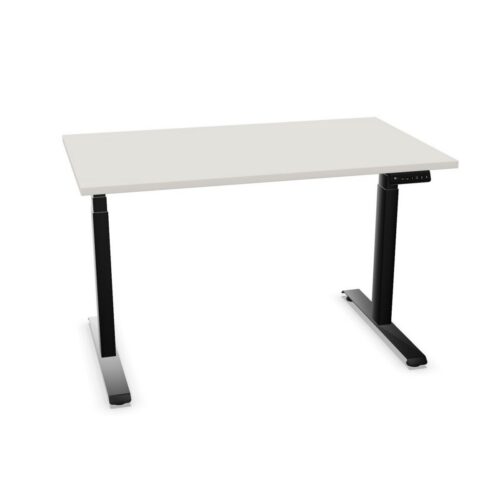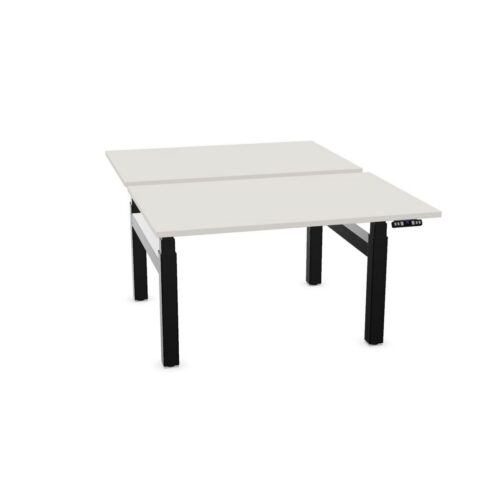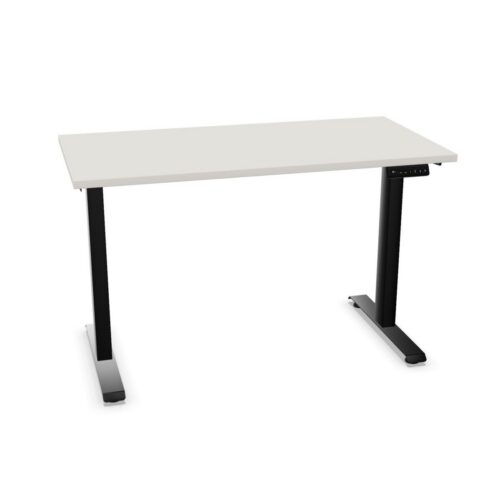


Brown surface office furniture brings a warm, grounded finish to workplaces while keeping the focus on practical specification. On this page, brown refers to the visible work surface or outer furniture surface, such as a desktop, table top, cabinet front or storage exterior. It does not describe the colour of the base, legs or frame.
A brown surface can suit settings ranging from formal meeting rooms and private offices to shared work areas, hospitality-style breakout spaces and reception environments. The products shown may vary in material, dimensions, construction and intended use, so the surface colour is one useful starting point rather than a complete product specification.
What does a brown surface colour mean?
Surface colour identifies the finish seen across the main usable or outward-facing part of an item. For a desk, this is usually the desktop; for a meeting table, it is the table top; and for cabinets, credenzas or storage units, it may be the door, drawer or outer panel finish.
Brown can cover a range of timber-inspired and solid finishes, from lighter, natural-looking wood tones through to richer, darker shades. The exact appearance will depend on the individual product, its material and the lighting in the room. A brown worktop paired with a black, white, chrome or other coloured frame still belongs in this surface-colour selection because the visible top or outer panel is brown.
Why choose brown work surfaces?
Brown is often selected where a workplace needs visual warmth without relying on decorative elements alone. Wood-effect and brown-toned surfaces can help large desk runs, meeting tables and storage arrangements feel less stark, particularly in spaces with neutral walls, glass partitions or exposed building finishes.
- It can introduce a more familiar, residential feel into offices, client areas and shared spaces.
- It works with a broad selection of base finishes, allowing surface and frame colours to be specified separately.
- It can provide contrast against pale flooring, white walls and lighter upholstered seating.
- It can support a consistent material palette across desks, tables, storage and reception furniture.
Colour should be considered alongside day-to-day maintenance, edge detail, surface texture and the amount of natural and artificial light in the space. A darker brown may make a deliberate statement in a bright room, while a lighter brown finish can help retain a more open visual effect in compact areas.
Where brown surface furniture is commonly used
Brown surfaces are adaptable across many workplace settings. In executive or private offices, they can create a composed look when used for desks, returns and storage. In meeting rooms, a brown table top can provide a practical central surface and complement timber details elsewhere in the interior.
They are also relevant in coworking workplaces, project rooms and breakout areas where a less conventional office appearance is required. Reception desks, café tables and informal meeting tables with brown outer surfaces may help connect customer-facing areas with the main workplace design. For larger layouts, consult the office space planning guide when considering circulation, desk positions and the relationship between furniture finishes and the wider scheme.
Furniture types available with brown surfaces
This filter can include a variety of office furniture types with brown visible surfaces. The range may include individual workstations, bench desks, sit-stand desk tops, meeting and boardroom tables, occasional tables, reception furniture and storage solutions. Availability and specifications differ by product.
- Desks and workstation systems for individual and team work areas.
- Meeting tables for formal rooms, collaborative zones and training settings.
- Tables for breakout, café and informal meeting spaces.
- Pedestals, cupboards, credenzas and other storage with brown external panels or fronts.
- Reception and ancillary furniture where the visible surface contributes to the overall interior finish.
When comparing products, check which element has the brown finish. A product title or image may show multiple materials, and the work surface, body, edging and base can each have separate colour options.
How to choose the right brown finish
Start by identifying the furniture component that needs to coordinate. A desk top may need to match meeting table surfaces, while storage fronts may be intended to sit alongside rather than exactly match worktops. Matching finishes across different product families is not always necessary; controlled variation can give larger offices more definition.
View any available product imagery and finish information carefully, especially where existing furniture or interior materials need to be retained. Screen displays and room lighting can affect perceived colour, so the individual product details remain important when making a final selection. For broader considerations around use, layout and furniture functions, see our guidance on choosing office furniture.
Questions to consider
- Is the brown finish required on the desktop, table top, storage face or another visible panel?
- Will the surface sit next to existing timber, flooring, wall finishes or joinery?
- Should the brown tone blend into the scheme or create contrast with seating and frames?
- How will daylight, task lighting and screen positioning affect the appearance of the work surface?
- Does the product’s size, cable management, storage capacity or configuration meet the operational requirement?
Coordinating surfaces, frames and seating
Because this archive relates only to surface colour, it is useful to specify other visible components independently. A brown desk top can be paired with a contrasting metal base for a more technical appearance, or with a closely related finish for a quieter, more unified arrangement. Equally, a brown cabinet front does not determine the colour of the cabinet carcass, handles or plinth.
Consider the balance of finishes across a floorplate. Repeating the same brown surface on every item can create continuity, while mixing it with lighter surfaces may assist visual zoning between focused workstations, meeting rooms and collaborative areas. Seating upholstery, acoustic products and accessories can then be used to add further colour without changing the principal furniture surfaces.
Planning brown furniture across a workplace
For multi-area projects, create a simple finishes schedule showing the intended surface colour, base finish and product type for each zone. This helps distinguish a requirement for brown desktops from a requirement for brown frames or brown upholstery, avoiding ambiguity during product comparison.
Browse the wider office furniture collection to compare desks, tables, storage and other workplace ranges. The brown surface selection can be used alongside product-specific filters and planning information to build a coordinated furniture scheme suited to the room, its users and its everyday tasks.