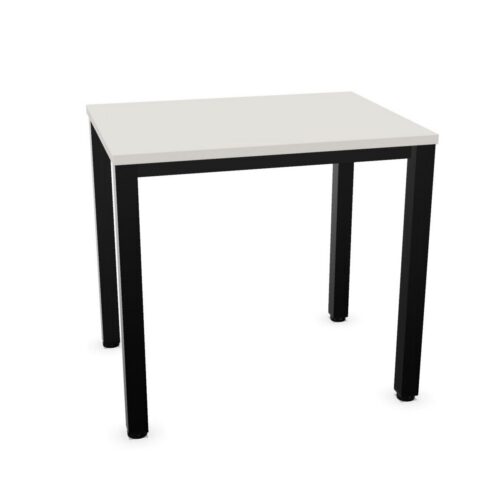


Gold surface office furniture brings a warm metallic finish to desks, storage and other visible workplace surfaces. On this page, Gold refers to the colour of the worktop, cabinet face or outer visible surface rather than the colour of the legs, base or frame.
A gold-toned surface can introduce contrast and character without changing the underlying function of the furniture. It may appear as a bright metallic finish, a muted champagne tone, a brass-like colour or a warm gold accent, depending on the product, material and surrounding light. Review individual product images and specifications when a precise finish is important to a project.
What does Gold surface colour mean?
Surface colour describes the part of an item that is most visible in use or at eye level. For a desk, this is commonly the desktop or work surface. For storage, it may be the drawer fronts, doors, cabinet body or outer panels. On seating and accessories, it can refer to a visible shell, table surface or other finished external component where applicable.
It does not describe the base colour. A product with a gold surface may have black, white, chrome, silver, wood-toned or otherwise finished legs and supports. Likewise, a product with a gold-coloured frame is not necessarily included here unless its surface is also identified as Gold.
Why choose a gold-toned workplace surface?
Gold can be used to make a workstation, reception point or storage item feel more considered within an interior scheme. Its warm tone can offset cooler materials such as glass, concrete, pale laminates and black metal, while also sitting comfortably with timber finishes and deep neutral colours.
- It can provide a defined visual accent in client-facing or hospitality-inspired areas.
- Warm metallic tones can complement brass hardware, bronze lighting details and timber furniture.
- A gold surface may help distinguish feature furniture from standard workstations in a larger fit-out.
- It offers an alternative to all-white, black or wood-look surface palettes where a project calls for more contrast.
The right effect depends on scale. A single gold-finished table or cabinet can act as a focal point, whereas several pieces may establish a consistent material language across a reception, meeting suite or breakout area.
Suitable areas for gold surface furniture
Gold surface finishes are often considered where appearance is as important as day-to-day practicality. Reception and welcome spaces can use a warm metallic surface to support a polished first impression, particularly alongside restrained seating and clear wayfinding. In meeting rooms, a feature table or occasional storage piece can help differentiate a formal room from open-plan desk areas.
Breakout spaces, café-style settings and informal collaboration zones are other useful locations. These environments frequently combine different finishes and furniture types, allowing metallic colour to be introduced in a controlled way. Gold may also work in executive offices, boutique retail workspaces, studios and hospitality-led workplaces where the interior palette is intended to feel less uniform.
Furniture types to compare
The products filtered on this page may cover different categories, so it is useful to compare the visible finish alongside the item’s intended use. A gold surface can be present on a large shared table, a compact occasional table, a cupboard front or a display-led furniture component. The practical requirements will vary accordingly.
- Desks and tables: consider workspace dimensions, cable provision, edge detail and how the finish will work with task seating.
- Meeting and occasional tables: assess capacity, access around the table and whether the surface will be a central visual feature.
- Storage furniture: check the internal format, lock options where specified, handle design and the extent of the gold-facing panels.
- Reception or collaborative furniture: consider sightlines, adjacent finishes and the level of daily contact with the visible surface.
Product photography can show how much of the item is gold, but specifications remain important. Some designs use the colour across the entire top or outer face, while others use it as a panel, trim or more limited surface treatment.
Co-ordinating gold with other finishes
A gold surface does not need to dictate every other colour in a workplace. It can be paired with dark bases for a graphic contrast, light frames for a softer look, or timber components for added warmth. Black, charcoal, deep green, navy and burgundy can provide a strong backdrop, while cream, stone and pale grey help retain an airy scheme.
When specifying several items, compare samples, images and finish descriptions at the same time. Gold is a broad colour family rather than a single fixed shade. Differences in sheen, texture and undertone can be noticeable when surfaces sit close together, especially under directional lighting or daylight.
How to specify a gold surface for a project
Start with the role of the furniture and the parts of the space that users will see most frequently. A feature finish is generally most effective on an item with clear visibility, rather than on furniture that will be largely concealed or heavily covered by equipment. Consider how desktops will be used, whether items are likely to be moved, and how the surface will relate to screens, monitors, accessories and adjacent storage.
For multi-item orders, identify the intended surface colour separately from the frame, edge, handle, upholstery and leg finishes. This helps avoid assuming that a gold worktop includes gold supports, or that similar-looking products have an identical metallic tone. The guidance in our choosing office furniture resource can help structure these comparisons around use, layout and finish.
Questions to consider
- Which visible component needs to be Gold: the desktop, front panel, outer cabinet surface or another element?
- Will the gold surface be a focal point, or should it sit quietly within a wider palette?
- What base, frame and hardware colours will be used alongside it?
- How will natural light, warm lighting and reflections affect the chosen finish?
- Does the selected size and configuration support the required number of users and activities?
- Are there adjacent materials, such as timber, glass or metal, that should be reviewed together?
Planning around visible surfaces
Surface finishes form part of the overall workplace plan, alongside circulation, storage access, desk spacing and meeting capacity. In smaller spaces, one gold surface may create a useful point of interest without making the room feel busy. In larger projects, repeating the finish selectively across key touchpoints can help connect reception, collaboration and meeting areas.
Consider the furniture from more than one viewpoint: the approach to the room, seated eye level, the view from neighbouring desks and the visual impact in video calls or visitor photographs. Our office space planning guide provides further context for relating furniture selection to the layout and function of the workplace.
Related Myntwork furniture ranges
Use this Gold surface filter to narrow the catalogue where a warm metallic visible finish is part of the brief, then check each product’s full finish information before finalising a specification. For broader comparisons across desks, tables, storage, seating and workplace accessories, browse the Myntwork office furniture collection. Related categories can also help identify complementary pieces with suitable proportions, functions and material combinations for the same scheme.


Bralco