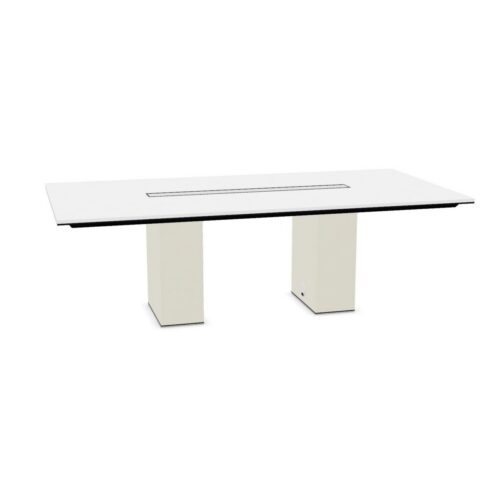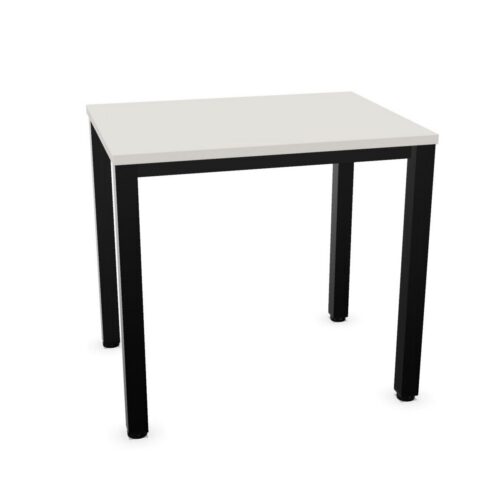


Orange surface-colour office furniture brings a clear, energetic visual accent to workspaces while keeping the supporting frame, legs or base separate from the finish being selected. On this page, orange refers to the visible work surface or outer face of an item, such as a desktop, tabletop, cabinet front or storage panel; it does not describe the colour of the frame.
For workplace procurement, an orange surface can help define activity areas, support an established interior palette or make shared furniture easier to identify. The exact shade, material and extent of the orange finish vary by product, so specifications and product imagery should be reviewed when comparing options.
What does an orange surface colour mean?
Surface colour identifies the finished, visible part of the furniture that users see and touch most often. Depending on the product type, this may be a desk top, meeting table top, reception counter face, cupboard door, drawer front or external storage carcass. An orange surface may be solid in appearance, used as a front-facing panel, or combined with other finishes within the same design.
This filter is distinct from a colour-of-base or frame filter. A table with an orange top and black legs, for example, belongs under orange surface colour because the worktop is orange, even though its supporting structure is not. Checking both surface and base details is useful where a scheme requires a coordinated or contrasting result.
Why choose orange work surfaces and furniture fronts?
Orange is often used where a workplace needs a noticeable but purposeful point of colour. It can give collaborative and informal settings a more distinctive character, while an orange panel or cabinet face can make functional furniture easier to recognise within a larger floorplate. The practical value is usually in how the finish works with the wider environment rather than colour alone.
- It can provide a recognisable accent within neutral office interiors.
- It may help differentiate team zones, touchdown areas or shared resources visually.
- It can complement timber, white, grey, black and other commonly specified workplace finishes.
- It offers a way to introduce colour through furniture without relying solely on walls or signage.
For multi-site projects, using a controlled accent colour can also support consistency between locations. Whether that is appropriate depends on the organisation’s brand guidelines, maintenance requirements and the amount of colour already present in the space.
Where orange surfaces are commonly used
Orange-finished surfaces can suit spaces that benefit from an inviting, active or clearly zoned appearance. They are often considered for breakout settings, project areas, staff cafés, training rooms and informal meeting points. In these environments, a coloured table top or storage front can contribute to the identity of the area without changing the core layout.
They can also work in reception-adjacent spaces, creative studios and education-related workplaces where the interior brief includes stronger colour. In more formal offices, an orange surface may be used more selectively: for a single meeting table, a bank of storage fronts or a shared desk feature alongside restrained finishes elsewhere.
Furniture types available with orange visible surfaces
The products shown under this filter may include different furniture categories, according to the current catalogue. Surface colour is relevant across a range of items because it describes a finish rather than a single furniture function. A visible orange finish may appear on:
- Desks, benching and individual workstations with coloured desktop finishes.
- Meeting, café or breakout tables with orange table tops.
- Storage units, pedestals and cupboards with orange doors, drawer fronts or exterior panels.
- Collaborative furniture where a worktop or outer panel forms a prominent part of the design.
- Reception or ancillary pieces where a coloured front surface is part of the overall specification.
Availability will depend on the individual range and configuration. Some products may offer orange as one option among several surface finishes, while others may use it only on a particular component. Product-level descriptions remain the right place to confirm what is included.
Choosing the right orange finish
Begin by deciding how the orange surface will be seen in use. A full desktop or tabletop has a larger visual impact than a cabinet front, and the position of the furniture can affect how strongly the colour reads under daylight and artificial lighting. Consider adjacent flooring, partitions, seating fabrics and wall finishes as part of the selection rather than in isolation.
Material and use should be assessed alongside colour. A desk used daily for focused work has different practical demands from a café table or a low-use storage unit. Review the stated product construction, dimensions and care guidance, and make sure the selected surface is appropriate for the intended setting and level of shared use.
Questions to consider during specification
- Which visible component is orange: the top, the front panel, the cabinet exterior or another surface?
- Will the surface sit alongside a particular base, leg or frame colour?
- Is orange intended as a focal point, a wayfinding cue or a small complement to a wider palette?
- How will the finish appear alongside existing furniture and architectural materials?
- Does the furniture’s size, shape and intended activity suit the selected room or zone?
- Are there workplace standards for cleaning, replacement and long-term visual consistency to account for?
Coordinating orange with frames and surrounding finishes
Because this archive concerns the surface rather than the base, it is important to specify the two separately. Dark frames can give an orange top a defined, graphic contrast, while lighter or metallic supports may create a more open appearance. The most suitable pairing will depend on the product design and the wider scheme.
Orange surfaces can be balanced with neutral desks and storage to avoid concentrating colour across every workstation. Alternatively, repeating the finish across selected tables, cabinets or collaboration points can create a clearer visual thread. Where upholstery, screens or acoustic elements are also being selected, check samples and product details together so that tones are compatible rather than merely similar in name.
Planning coloured furniture across an office
Surface colour should support the function and layout of the workplace. In open-plan areas, a limited number of orange pieces may mark a project setting or shared table without disrupting desk allocation. In a staff social area, a larger proportion of coloured surfaces may be suitable if they relate to the room’s purpose. Consider sightlines, circulation routes and how furniture will be grouped before finalising quantities and finishes.
The Myntwork office space planning guide provides useful context for arranging furniture around different workplace activities. For a broader comparison of functions, finishes and product categories, see guidance on choosing office furniture.
Related Myntwork furniture ranges
Use this archive to narrow the catalogue to furniture with an orange visible surface, then compare individual products for their dimensions, configuration, construction and accompanying frame finish. For projects combining coloured worktops, storage and shared-space furniture, the wider office furniture collection provides relevant categories to explore alongside this surface-colour selection.