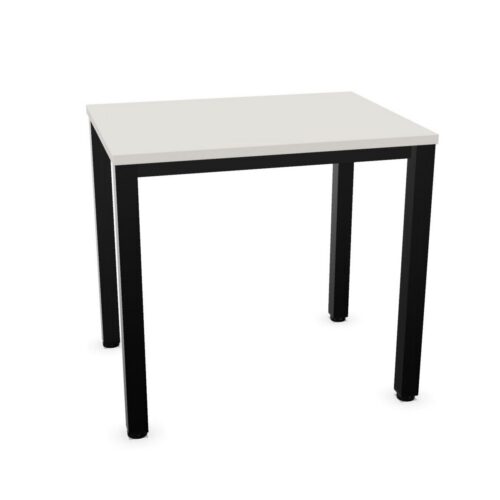
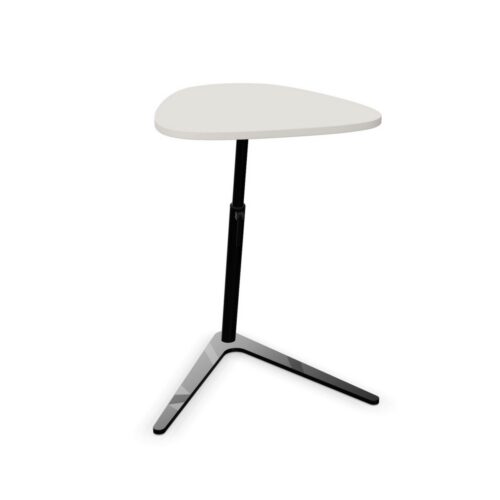
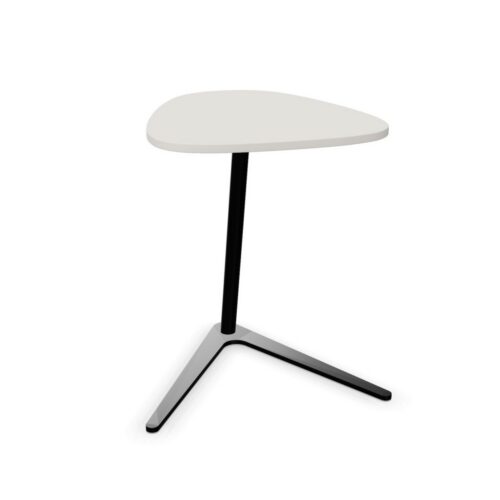
Purple desk and table surfaces appear on workstations, conference tables and smaller shared surfaces. A colored top can identify a meeting area, but the table’s form and use should lead the choice. Some relevant meeting tables fold, while some desks are used in multi-person rows. These practical differences matter more than a common finish. Identify the normal activity at each surface and how it will be moved or maintained. Where meeting furniture is folded and stored, the top finish may experience different handling from a fixed desk. Ask how the table will be protected and who will move it. Check whether the purple surface remains visible in its storage position and whether that affects the room. These practical questions help keep a flexible setting orderly between events.
Set a desk for daily work
Arrange screen, keyboard and documents on the intended desk top before deciding on shape. Purple desk and table surfaces may be visually prominent beneath a monitor, so test the finish from the seated position. Keep enough clear area for the user’s hands and papers. Check where power enters and whether a cable flap or monitor arm changes the usable top.
Fixed and adjustable workstations may share the finish. Confirm the chosen desk’s frame and movement separately. A moving top needs a cable route that works at seated and standing heights. Nearby screens or storage must not interfere with its travel.
Plan multi-person workbenches
A workbench repeats the purple top over several positions. Draw each station with a chair and monitor, then check the overall circulation. Purple desk and table surfaces at this scale can become a strong field of color. A real sample placed in the room gives a better sense of its effect than a small image.
Cable flaps and desk screens may divide the colored area. Decide whether those parts should blend with the top or provide contrast. Check the selected product’s exact component finishes. Each user needs access to power and enough personal working space regardless of the overall bench appearance.
Use folding tables realistically
A folding conference table can help a room change between meetings and other activities. The surface must still be appropriate for the normal session. Check the table’s folding method, storage position and the route through which it moves. A purple top may make the table easy to identify, but handling and space are what make flexibility practical.
Purple desk and table surfaces on folding tables should be checked for edge and finish care where pieces are frequently moved. Decide how staff will set up and clear the room. Draw both the occupied layout and the storage arrangement. A room is only flexible when unused furniture has a proper place.
Choose conference geometry
Meeting tables in the finish range also include more fixed formats. Choose the shape around group size and sight lines. A rectangular table may suit a presentation direction, while other forms support a different conversation. Place chairs in occupied positions and allow room behind them. Check whether devices need power at the table.
Purple desk and table surfaces can connect a meeting room to nearby desk zones, but the top material may vary. Read the selected construction and care guidance. A colored metal top, laminate or other surface can feel different in use. The finish name alone does not settle material or maintenance.
Check the color under room light
Purple can look muted or strong depending on daylight and artificial light. Place a physical sample horizontally in the room. Compare it with flooring, wall finishes and the supporting frame. The color may also read differently when a table is covered with laptops or papers, so review the normal occupied state.
Purple desk and table surfaces work best when the finish reinforces a clear activity zone. Select the desk or table form for use, confirm its movement and material details, then judge the color at full scale. The result should remain practical when people work, meet and rearrange the room.




Cube Design