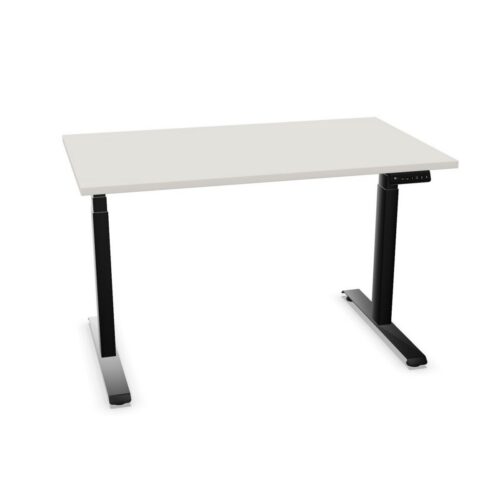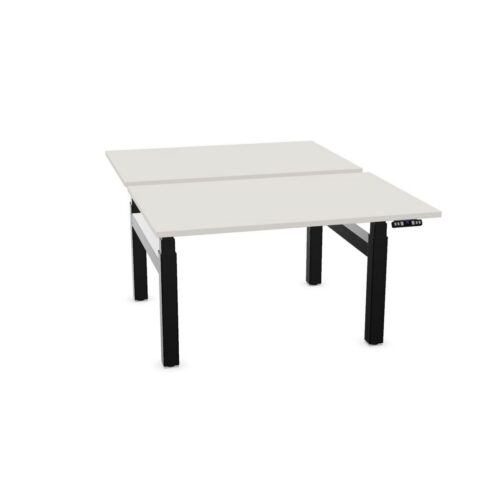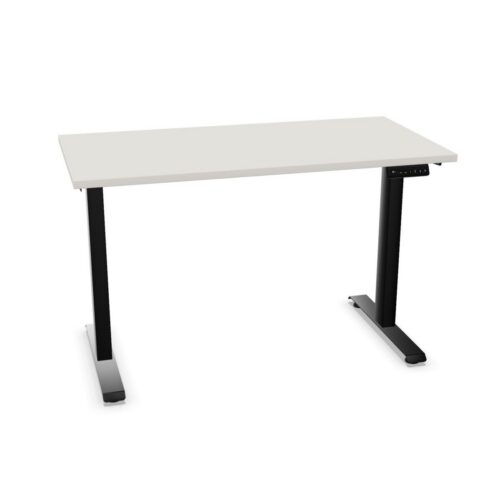


Wood surface colour office furniture brings the familiar appearance of timber to desks, tables, storage and other workplace pieces with a visible worktop or outer panel in a wood-toned finish. This filter refers to the colour of the desktop, cabinet face or other exposed surface, rather than the colour of the legs, frame or base.
A wood surface can help create a warm, grounded setting while remaining suitable for practical office layouts. The products shown here may use different constructions and finishes, so the listing and product specification should always be checked for the exact material, surface treatment, dimensions and base details.
What does a wood surface colour mean?
Surface colour describes the part of a furniture item that is most visible in use: for example, a desk worktop, meeting table top, cupboard door, drawer front or shelving panel. On this archive, wood identifies a timber-like or wood-coloured visible surface.
It does not describe every component of the item. A desk with a wood-coloured top may have a black, white, silver or other-coloured frame. Likewise, a storage unit may have wood-coloured fronts while its carcass, handles, plinth or internal fittings use another finish. This distinction is useful when coordinating furniture with existing workplace fittings.
Why choose a wood-coloured surface?
Wood tones are widely used in offices because they can sit comfortably alongside neutral finishes, darker frames and a broad range of interior materials. They offer an alternative to plain white or dark work surfaces where a scheme needs more visual warmth or definition.
- They can complement black, graphite, white and metallic desk bases without requiring every element to match.
- They work alongside natural materials, planting and softer furnishings in reception, breakout and meeting areas.
- They can provide a consistent visual thread across desks, tables and storage in a multi-use workplace.
- They may help distinguish work settings from circulation areas or informal collaboration zones through surface finish.
The right result depends on the particular shade, grain pattern and sheen. Wood finishes can range from pale and understated to deeper and more pronounced, so viewing product imagery and finish information is important when building a coordinated scheme.
Furniture types with wood surfaces
This surface colour is relevant to a wide range of furniture categories. Desks and benching systems often use wood-coloured worktops, while meeting tables may use the same finish to connect individual workstations with shared spaces. Storage furniture can also use wood surfaces on visible doors, drawers or tops.
Depending on the available range, a wood surface may appear on:
- Individual desks, sit-stand desks and shared bench desks.
- Boardroom, meeting and café-style tables.
- Pedestals, cupboards, credenzas and display storage.
- Reception desks and welcome-area furniture.
- Collaborative tables and occasional work surfaces.
Filtering by surface colour is particularly helpful when a project includes several furniture types but needs a coherent appearance across them. It can also make it easier to identify items that complement an established desk-top or cabinet-front finish.
Where wood surfaces work well
Wood-coloured surfaces can suit focused work areas, client-facing spaces and shared facilities. In open-plan offices, they can add contrast to technical elements such as monitor arms, task seating and metal desk frames. In meeting rooms, a wood-finished table can act as a central visual feature while allowing chairs and accessories to remain more neutral.
Reception and visitor areas are another common application, particularly where the interior aims to feel welcoming without becoming overly domestic. In breakout zones, wood surfaces can coordinate with dining-height tables, storage and informal seating. The most appropriate finish will depend on surrounding light levels, flooring, wall colours and the intended character of the space.
How to coordinate the surface with the base
Because this attribute applies only to the visible surface, review the base or frame finish separately before selecting an item. A wood top paired with a dark base can create a stronger contrast, while a lighter metallic base may give a more restrained, contemporary appearance. White bases can make a pale wood surface feel brighter, although the overall effect will vary by product and setting.
For larger projects, consider whether the same surface colour needs to continue across different heights and uses. Matching desk tops with meeting tables and storage can simplify the visual language of a floorplate, while deliberately mixing finishes can help signal separate zones. The product page remains the right place to confirm which parts of a specific item carry the chosen finish.
Choosing a suitable wood finish
Start with the purpose of the furniture and the existing interior palette. A busy operational office may prioritise a finish that works consistently across many desk positions, whereas an executive meeting room may place greater emphasis on the relationship between the table, seating and room finishes. Consider the visual weight of the surface as well as the furniture footprint.
Questions to consider
- Is the wood surface intended to match existing desks, cabinetry or architectural joinery?
- Which base colour will be paired with the surface, and is that colour listed separately?
- Will the same finish be used on workstations, tables and storage, or only in selected areas?
- How will daylight, artificial lighting and nearby flooring affect the perceived shade?
- Does the chosen product specification provide the sizes, cable management or storage configuration required?
It is also worth allowing for practical use around the surface. Desk accessories, screens, power modules and monitor equipment can alter how much of the finish remains visible, while larger meeting tables make the surface colour a more prominent part of the room.
Planning furniture around surface colour
Surface colour is one part of a wider procurement decision. Alongside appearance, assess the furniture category, dimensions, layout, user requirements and compatibility with other workplace elements. A clear schedule of finishes can be useful where several teams are specifying desks, storage and meeting furniture at the same time.
For broader context, see the Myntwork guidance on choosing office furniture and the office space planning guide. These resources can help relate finish choices to circulation, workstation arrangement and the different activities taking place across an office.
Related Myntwork furniture ranges
Use this archive to compare furniture with a wood-coloured desktop, top or visible outer panel, then check each product for its available frame finishes and detailed specification. For a wider view of desks, tables, storage and workplace settings, browse the Myntwork office furniture collection.