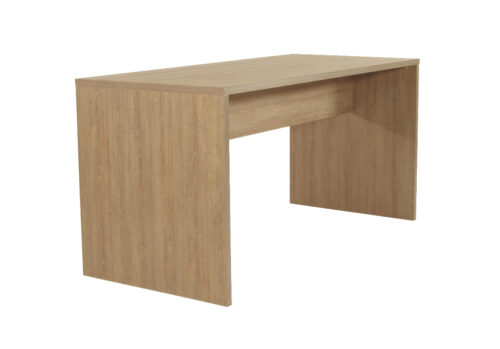
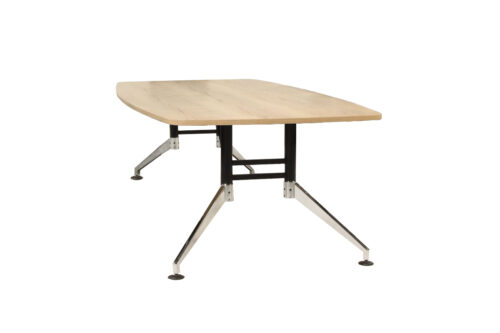
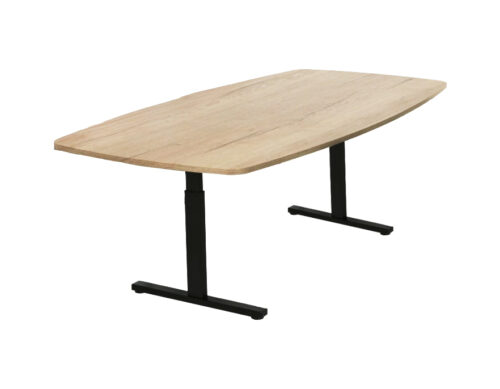
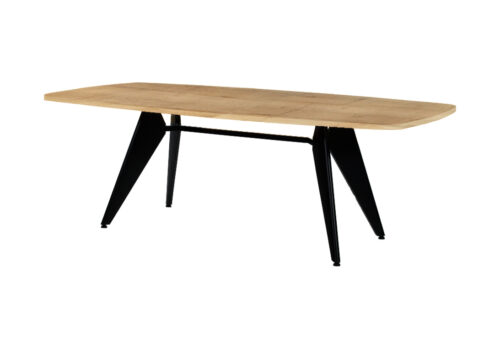
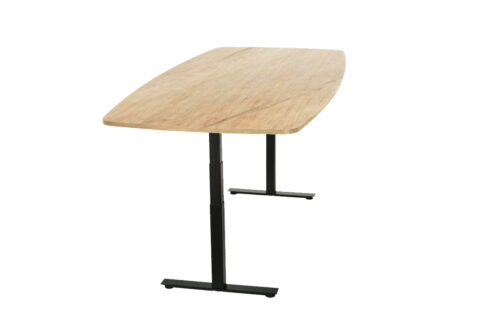
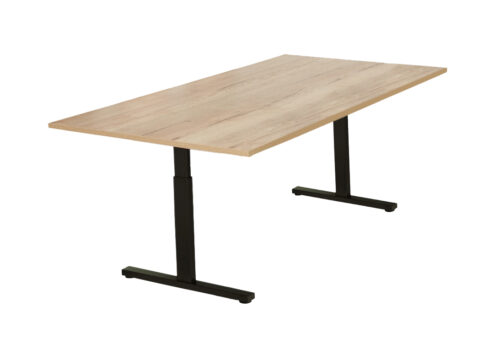
Canteen tables for shared office areas can provide a place for breaks, informal conversation and occasional meetings away from individual desks. The table-type selection includes products with meeting-oriented names, so assess the exact version for the way a dining or break area will be used. A suitable table needs a workable height, chairs that fit and room for people to pass when the space is busy.
Decide how the area is used
Some workplaces use a break table mainly for meals. Others also use it for a short team conversation or laptop session. List the activities before choosing the top and height. A table intended for quick standing catch-ups may not suit a seated lunch, while a conventional meeting surface may be comfortable for both if the chairs and finish are appropriate.
Canteen tables for shared office areas should be placed where people can reach them without crossing focused workstations. Consider where drinks, food and personal items are carried from and how people leave when others remain seated.
Match table and seating height
Canteen tables for shared office areas at standard height can work with ordinary dining or meeting chairs. A high table requires suitable stools or a plan for standing use. Check the selected product’s actual height and pair it with the intended seats. Footrests, seat bases and the table support can all affect comfort.
Do not judge the table only by the number of chairs that fit around it. People need elbow room, a place for a plate or cup and space to move in and out. A seat at a pedestal or near a wide table leg may be less practical than the top view suggests.
Choose a useful surface
The top should accommodate the ordinary items people bring to the area. If it also hosts informal work, leave clear space for laptops and notebooks. Inspect the actual material and edge, especially where people rest forearms or wipe up spills.
Canteen tables for shared office areas can have round, rectangular or other shaped tops within a meeting-table family. A round surface may encourage conversation; a rectangular one may align with a wall or row of seats. Choose the shape for the room and the activities, not only the product name.
Allow easy circulation
Break areas can have short bursts of heavy use. Draw chairs pulled out and people standing beside them. Leave a route to counters, bins, doors and other seats. A table that fits when empty can become an obstruction during a busy break.
If the area changes layout for meetings or events, check whether tables can be moved or linked as intended. Plan where unused chairs go. A visually tidy arrangement should be straightforward for staff to restore after a different activity. If tables are used together for a group lunch, check the gaps between them and where their legs fall. People should not have to balance plates or devices across an uneven join.
Review care without assumptions
A table used near food and drinks needs a cleaning routine suited to its actual finish. Melamine, laminate, wood-look and other surfaces have different instructions. Check the selected model’s guidance and pay attention to seams, cable openings and edges where liquid could collect.
The presence of a table in a canteen setting does not establish a food-contact certification or a universal spill resistance. Confirm any project-specific requirement separately. Choose a finish that staff can maintain as the room is actually used.
Keep the space welcoming and usable
Place tables so colleagues can talk without blocking routes or disturbing nearby work. Consider lighting and the view from seated positions. A shared area can be simple, but it should still offer comfortable seating and a practical surface for the activities it hosts.
Choose canteen tables for shared office areas by checking height, top, base and care for the selected version. The right arrangement supports breaks and informal gatherings while remaining easy to enter, use and maintain.