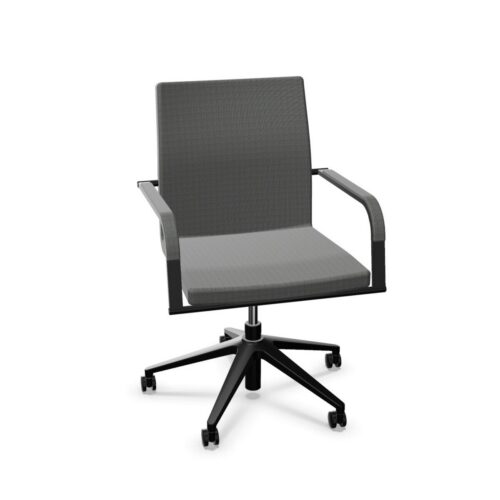


Transparent upholstery office furniture refers to seating and other upholstered products where the visible upholstery element is transparent or see-through. This filter relates specifically to the upholstery, covering or flexible seating surface; it does not describe the colour of the frame, legs, base or other structural components.
In an office setting, transparent upholstery can create a lighter visual effect while still providing a defined place to sit, meet or wait. The products shown in this selection may use different materials, construction methods and levels of transparency, so it is important to review the individual product details when comparing options for a workplace project.
What does transparent upholstery mean?
Upholstery is usually associated with fabric, leather or vinyl, but it can also include clear or translucent flexible materials used across a seat, backrest or panel. A transparent upholstery colour indicates that the covering itself has a transparent appearance, rather than simply being pale, silver or colourless at a distance.
Depending on the product, the effect may be completely clear, lightly tinted or translucent. It may reveal some of the chair or furniture structure beneath, or it may be used alongside opaque upholstered, metal or moulded elements. The frame and base can be any finish, which is why this attribute should be considered separately from overall product colour.
Why choose transparent upholstery for an office?
Transparent finishes are often considered where a workspace needs furniture that feels visually unobtrusive. They can help retain sightlines through a room and can work particularly well in interiors with glass partitions, open circulation routes or compact shared areas.
- They can reduce the visual weight of seating in smaller rooms and reception areas.
- They can complement contemporary interiors without introducing a dominant upholstery colour.
- They can sit alongside a broad mix of timber, metal, painted and neutral finishes.
- They may help maintain visibility around glazed meeting rooms, entrances and breakout spaces.
That visual benefit should be balanced with practical requirements. Transparency does not in itself indicate comfort level, cleanability, durability, stacking capability or suitability for a particular usage pattern. These factors depend on the individual item and its specification.
Where transparent upholstered furniture can be used
Furniture with a transparent upholstered surface can be useful in spaces where the layout needs to remain open and easy to read. In client-facing settings, it can support a clean, considered appearance without competing with signage, artwork or architectural finishes.
Typical applications include reception and waiting areas, informal meeting points, visitor seating zones and breakout spaces. It can also be considered for meeting rooms where maintaining a sense of space is important, especially when the room is enclosed by glass. In flexible project areas, the suitability of each product should be checked against the expected movement, cleaning routine and frequency of use.
Product types to compare
This upholstery-colour filter may include a limited selection of products across different furniture categories. Rather than assuming that all transparent options perform in the same way, compare the type of furniture first and then assess the upholstery surface in context.
- Visitor and meeting chairs for short meetings, guest seating and collaborative areas.
- Reception seating where appearance, maintenance and the surrounding interior scheme all need consideration.
- Occasional chairs for informal conversations, touchdown spaces or lounge-style settings.
- Specialist seating with transparent elements used as part of a distinct design or functional brief.
The visible surface may form only one part of the product. Check whether the item includes a separate seat pad, back support, arms, shell or supporting frame, as these elements affect both the look and day-to-day experience of the furniture.
How to select the right transparent upholstery
Start with the intended use of the space. A chair for intermittent visitor use may need a different balance of support and finish from furniture intended for longer meetings or shared work areas. Consider how transparent upholstery will look against the flooring, wall finish and light conditions in the room, including daylight and reflected light from glazing.
It is also useful to consider cleaning expectations early in the specification process. Clear and translucent surfaces can make marks, dust or fingerprints more noticeable in some environments. Product care guidance should be reviewed alongside internal cleaning procedures, particularly in high-touch areas.
Questions to consider
- Is the transparent surface intended to be the main visual feature, or to blend into the wider scheme?
- Will the furniture sit against glass, light walls, patterned flooring or a darker backdrop?
- How often will the seating be used, moved or repositioned?
- What level of back, seat and arm support is appropriate for the planned activity?
- Does the product’s care information suit the workplace cleaning regime?
- Are there other finishes on the frame or base that need to coordinate with existing furniture?
Planning transparent finishes within a wider scheme
A transparent upholstery choice can be particularly effective when it is part of a coordinated office plan rather than an isolated decision. Consider circulation, sightlines and the way different zones connect. In a busy office, a visually light chair may help a space feel less crowded, while the surrounding desks, storage and acoustic elements still provide the required function.
Use the office space planning guide to think through room layouts, capacity and movement before finalising furniture quantities. For broader advice on comparing finishes, functions and workplace needs, see our guide to choosing office furniture.
Related Myntwork furniture ranges
Transparent upholstery can be combined with more neutral, colourful or textured furniture elsewhere in the workplace, depending on the purpose of each area. Reviewing the wider office furniture collection can help when coordinating seating with desks, tables, storage and furniture for shared spaces. Product pages should always be used to confirm the precise upholstery treatment, structural finish and features of each item.