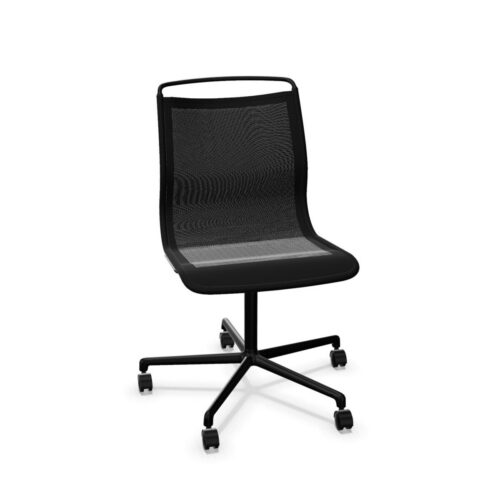
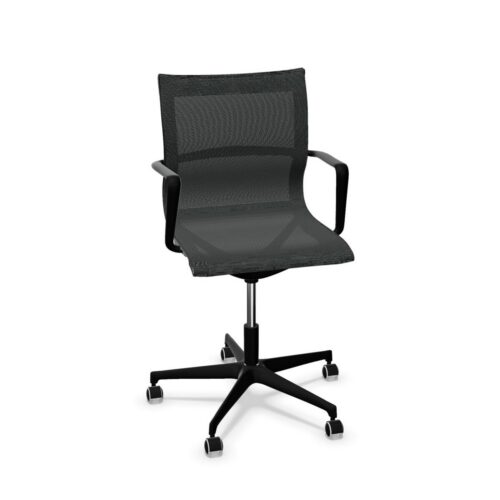
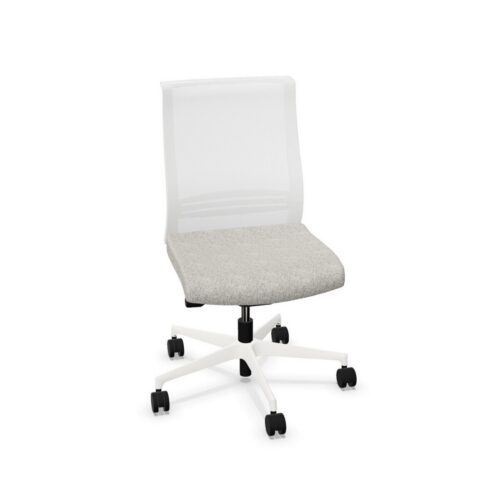
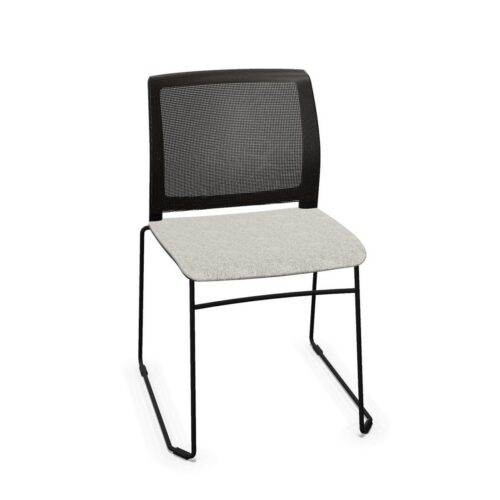
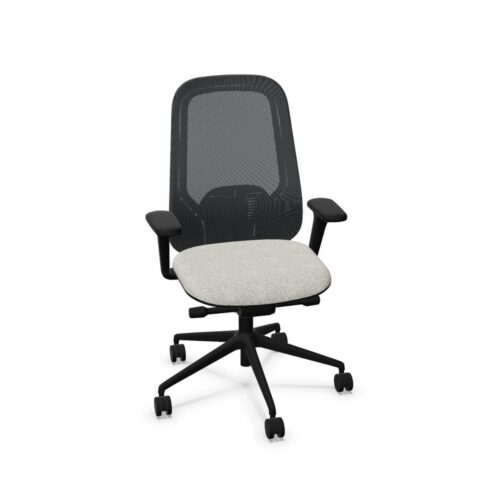
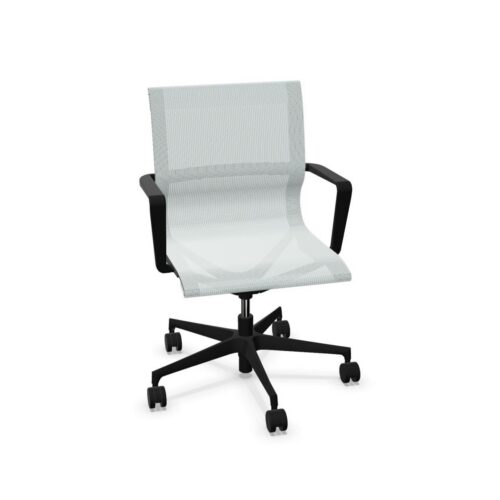
Mesh office chairs bring an open-looking backrest or another mesh component into the seating design. The selected chair may combine that element with an upholstered seat, a different frame material or other supporting features. Start with how the person sits at the desk or table, then assess the mesh construction within the whole chair. Its appearance is one detail alongside fit, support and the supplied adjustments.
Identify where the mesh is used
Review the actual configuration to establish which parts use mesh. A mesh back with a fabric-covered seat is a different arrangement from another chair using the material elsewhere. Keep those component choices clear so that the chair’s visible style is connected to its actual specification.
Mesh office chairs can have different back frames, shapes and supporting elements. Consider how the backrest meets the person and what movement or adjustment is provided. A photograph helps show the outline, while a seating trial gives a more useful view of the individual’s experience of that design.
The seat and backrest need to work together
The seat establishes the user’s position in relation to the back. Compare its shape, usable area and any adjustments supplied with the model. Assess how the person settles into the chair before deciding whether the backrest provides an appropriate relationship in that position.
Review the combination at the intended surface. A desk, meeting table and shared working position can each change how the chair is used. Include the equipment and relevant activities when assessing the seating, allowing the selected mesh component to be considered as part of that complete setup.
Working chairs and movement controls
When comparing mesh office chairs for desk use, understand the operation of the chosen mechanism. Review how the back and seat move, which settings the user can change and how the person returns to a useful working position. Keep the controls tied to the selected version.
Try the normal tasks expected at the workstation, including typing, reading and conversation where relevant. Notice how the person uses the backrest during those activities. Clear instructions can help them understand the controls before judging which settings suit their working position.
Meeting chairs with a related material
A mesh component can also appear in visitor or meeting seating. Review that chair around the table it will serve, including the position of any armrests and the supporting base. The requirements of shared seating should be assessed in their own context.
Mesh office chairs can connect desk and meeting areas visually without requiring the same chair function everywhere. Compare the relevant configurations and choose each one for its task. A common back material provides one design relationship while the seat, base and adjustments follow the needs of the area.
Upper support and other options
Check whether the selected backrest includes a particular lumbar-support arrangement, a headrest or other feature. Identify how those components operate and assess them with the user in position. The presence of mesh does not establish a common set of supporting options across every chair.
Keep the model version clear when comparing products within a family. A different back, armrest or base can change the chair configuration even when its overall appearance is similar. Record the actual combination assessed during selection so that the specification remains understandable.
Materials in the workplace scheme
Consider the mesh’s visible color and frame alongside the seat upholstery, desk and nearby furniture. The more open-looking back can contribute differently to the room from a fully covered form. Compare the complete chair profile from normal views across the workspace.
Review the relevant material and care information for the selected product. Mesh, upholstery and frame surfaces may have different requirements. Use the manufacturer’s guidance for the actual components rather than applying one cleaning or maintenance approach to the entire material group.
Choose the complete sitting arrangement
Include the chair’s base and floor-contact components in the final assessment, with the surrounding furniture and circulation considered. The user needs to approach the surface and move within the working area appropriately. A material choice should remain connected to those practical requirements.
Choose mesh office chairs by comparing backrest construction, seat fit and operation together. Assess the chair at its intended desk or table, then refine its finish within the room. This gives the mesh component a clear place in a considered seating choice.