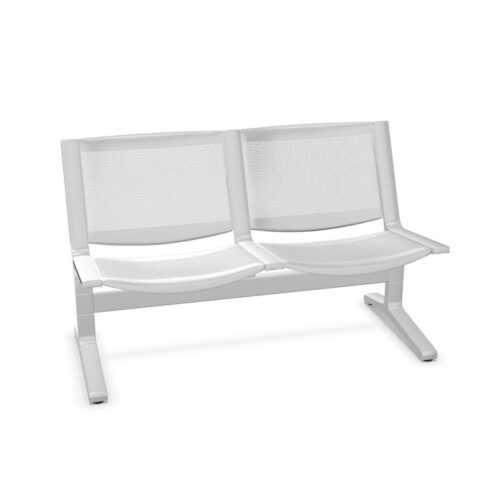
Metal office chairs bring metal into the construction of shared workplace seating, sometimes combined with wood or other seat and back materials. The actual arrangement matters: a metal back, a supporting frame and an exposed seat component each play a different role. Begin with the chosen product’s construction and the activity it needs to support, then assess it within the intended room.
Review the metal components precisely
Identify which parts of the selected chair use metal. A seat and back may have different materials, and a visible frame should be considered separately from the sitting surfaces it supports. Keep those components clear in the comparison so that a broad material label is not mistaken for one uniform construction.
Metal office chairs should be assessed through their complete form. Review the outline of the seat, the shape of the back and the actual supporting structure. Consider how those elements meet the person and relate to the table or other surface where the chair will be used.
Meeting and communal seating positions
Shared office areas can place several seats around the same surface. Compare how people approach those positions and where their chairs sit relative to the table supports. The arrangement needs to remain useful when neighbors are seated and when people enter or leave the group.
The material choice can contribute to the room’s character, but the sitting position still deserves its own assessment. Try the chair at the intended surface where possible. Include any armrests and the relevant working activity rather than judging the seat only from an isolated product image.
Stools and different surface heights
The wider seating selection includes stool formats as well as meeting chairs. Review the actual seat position against the counter or table it needs to serve, keeping any backrest and foot-support provision in the comparison. A stool arrangement should be assessed around its own activity.
When coordinating metal office chairs with stools elsewhere in the workplace, decide which details should relate. A similar frame finish can connect the areas without making their sitting positions identical. Choose each configuration for its relevant surface and the people using it.
Mixed materials within one chair
A metal component can sit alongside a wooden seat, a shaped shell or another construction in the same product. Review the actual specification and the way those materials meet. A common finish or frame profile does not establish the same seat and back arrangement across every chair.
Consider the visible balance of those components within a group. An exposed metal back can contribute differently to the room from a frame seen mainly below the seat. Compare the complete chair beside nearby furniture so that the material decision has a clear context.
Frame, floor contact and handling
Metal office chairs can have different supporting forms and product functions. Check the selected frame’s operation and relevant feet, glides or other components supplied with it. Review the actual floor and surrounding furniture when assessing how the seat belongs in its planned position.
If the brief calls for stacking, linking or another handling feature, confirm it in the product information. Keep any related instructions and storage arrangement with the room plan. The presence of metal is one construction detail rather than a complete description of what the chair can do.
Visible finish and relevant care
Review the material and surface treatment of the chosen components. A general metal designation does not identify one finish or a single maintenance method. Compare the actual product guidance with the intended setting, especially where the brief has specific material requirements.
Coordinate the metal finish with tables, stools and other furniture through a deliberate relationship. A repeated detail can connect several seating positions while the other materials provide variation. Where close matching matters, use the relevant finish references and samples where available.
Specify the complete seating form
Choose metal office chairs by identifying the actual components and assessing the full sitting arrangement. Review the seat, back, frame and surface together, then confirm the required functions. This gives the material choice a clear role within a considered shared-workplace seating scheme.



Götessons