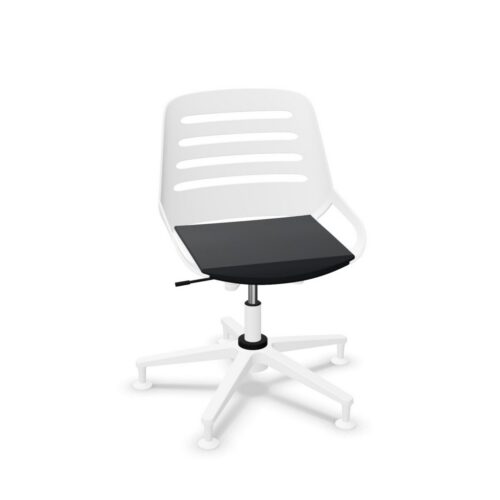
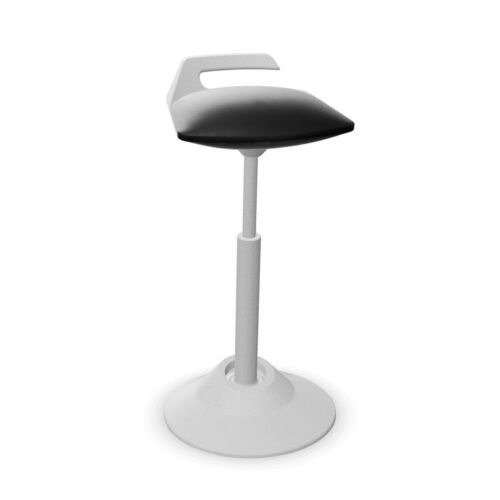
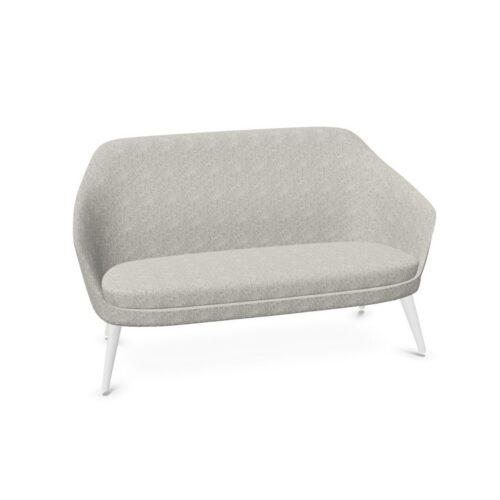
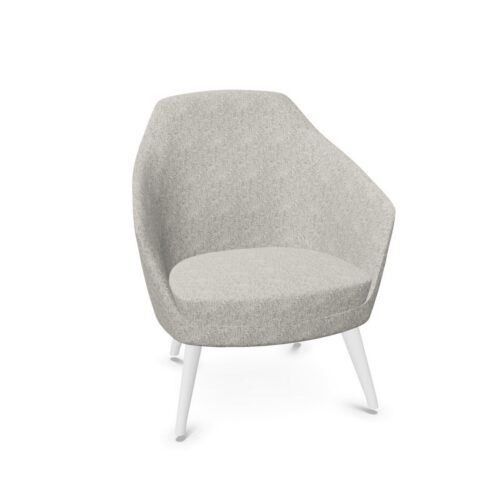
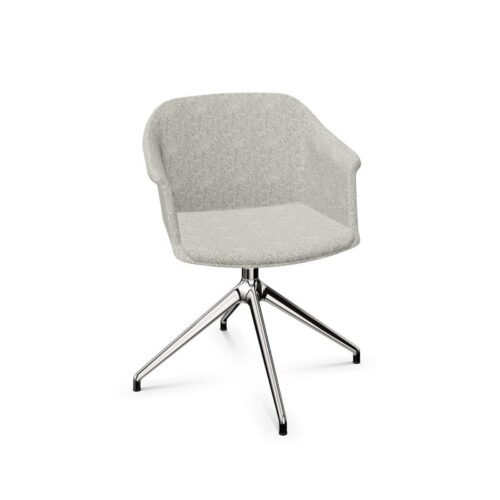
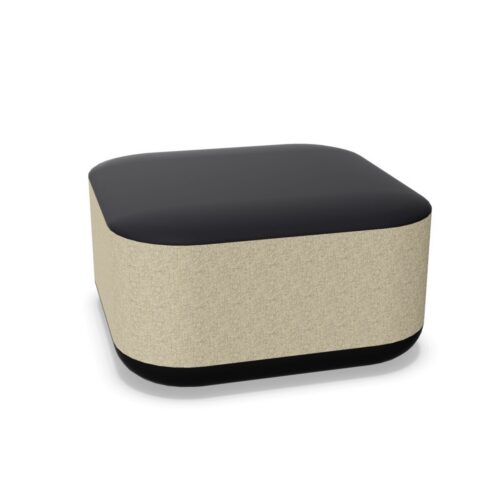
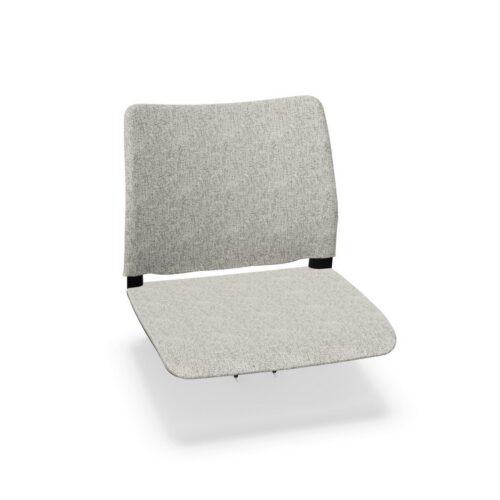
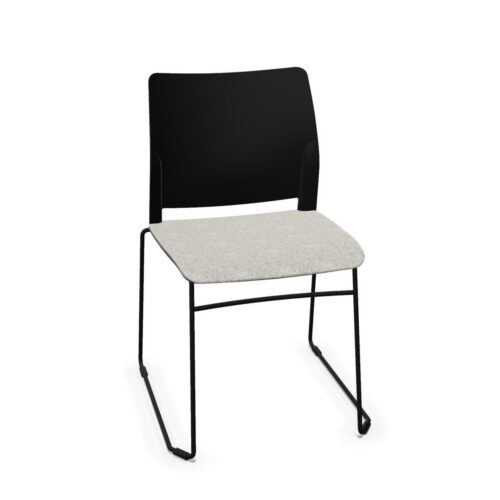
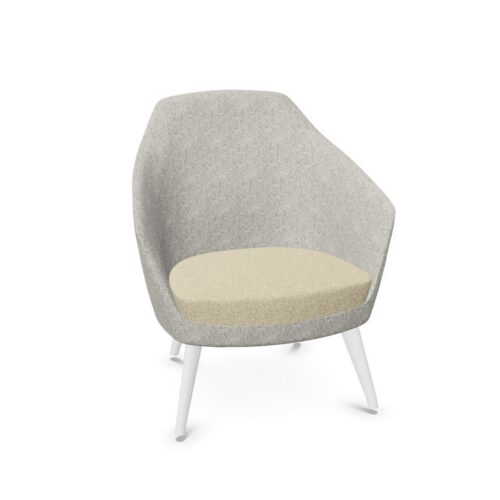
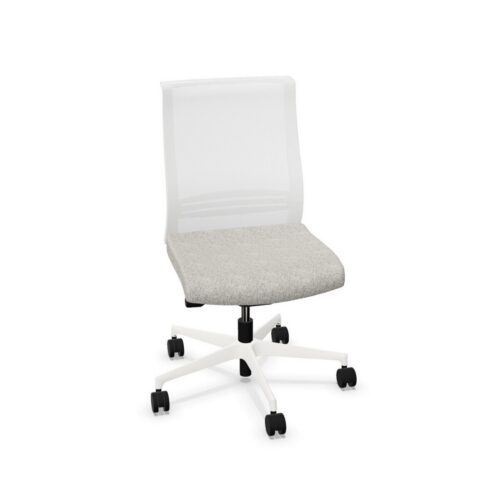
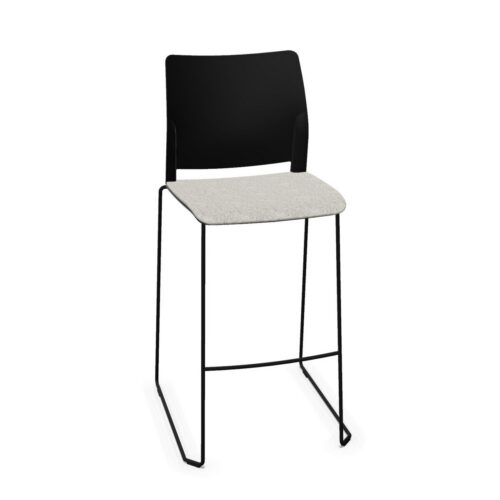
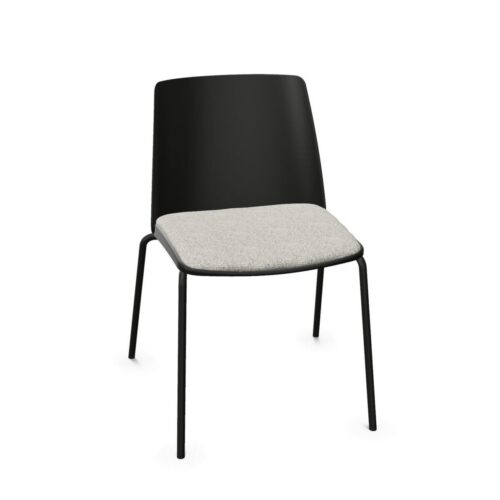
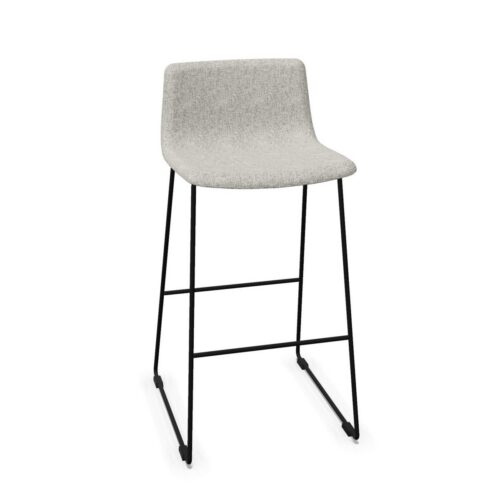
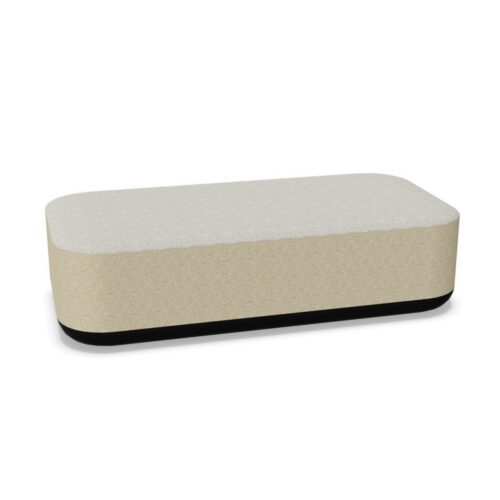
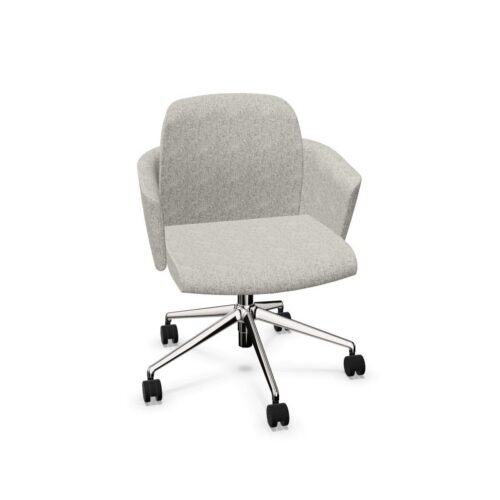
PU leather office seating provides an upholstery choice across office chairs and other workplace seating formats. The material description needs to be considered alongside the actual cover specification, the shape of the seat and the activity it will support. Begin with the chair or seating arrangement required for the space, then review how the selected upholstery belongs to that complete product.
Understand the upholstery specification
Review the manufacturer’s description of the material used in the selected configuration. A PU leather designation refers to an upholstery type, but it does not explain every part of its composition, finish or care requirements. Keep the actual material reference available when comparing the seating.
PU leather office seating should be assessed through that specific information. Where a project requires a particular composition or performance characteristic, obtain the relevant details for the chosen cover. The material name alone should not be extended into broader claims about the complete chair or all of its components.
Select the seating format for its task
Office work, visitor conversations and shared meetings can call for different seats and backrests. Define the role of the furniture before refining its upholstery. A desk chair needs to be assessed with its working surface and equipment, while shared seating needs a useful relationship with the people and table around it.
Compare the actual chair configuration, including any armrests, supporting features and movement controls. These details remain important regardless of the chosen cover. A material preference becomes useful when it belongs to a seat that has been assessed around its intended activity.
Covered areas and visible details
When choosing PU leather office seating, establish which parts are upholstered with the selected material. A seat and back can use different surfaces, and related versions may provide different covering arrangements. Keep those choices clear in the product specification.
Look at how the cover works with the chair’s form. Seams, edges and panel divisions contribute to the appearance of a curved back or broader seat. Consider the completed piece as well as a material sample so that the visible upholstery is assessed in the context of the furniture.
Color and the surrounding office
Compare the upholstery with the desktop, frame finishes and other seating nearby. A related tone can connect several areas, while a deliberate contrast may give one setting a different character. Decide which relationship serves the room rather than expecting every piece to match.
PU leather office seating can be part of a coordinated scheme with different chair types. Review the visible amount of the material on each piece and the way the finish appears under the planned lighting. Where available, samples support a clearer comparison than a color name or isolated product image.
Working position and everyday use
Assess the seat and back with the person in the intended position. Review any relevant adjustments and how the user operates them. A cover material does not establish an individual fit or one uniform sitting experience across several different chairs.
For shared seating, consider how the product will be used by different people. Review the controls, seat arrangement and surrounding furniture together. Keep the exact configuration clear so that the chair assessed during selection matches the one proposed for the workplace.
Follow the relevant care guidance
Check the manufacturer’s guidance for the actual upholstery and its finish. Cleaning methods and products should be reviewed for the selected material rather than assumed from the broad designation. Keep that information available to the people responsible for the furniture’s everyday care.
Consider the other visible components as well. Frame surfaces, arm pads and upholstery may have different requirements. A clear material schedule helps retain those distinctions and keeps the chosen finishes connected to their relevant care information.
Keep material and configuration together
Record the upholstery reference with the chair or sofa version selected for each location. Where a project uses several related pieces, keep the relevant differences in their seat, back and base clear. This supports an understandable specification across the wider office.
Choose PU leather office seating through a complete review of purpose, product and upholstery. Assess the sitting arrangement, compare the material in context and confirm the information that matters to the brief. The cover can then contribute to a seating choice grounded in practical use.