


Wooden office chairs bring a defined material into the seat, back or related sitting components. They can serve meeting tables, communal areas and other workplace settings, often alongside a supporting frame made from another material. Begin with the actual construction of the selected chair, then assess how its shape and finish work with the person, surface and room around it.
Identify where wood is used
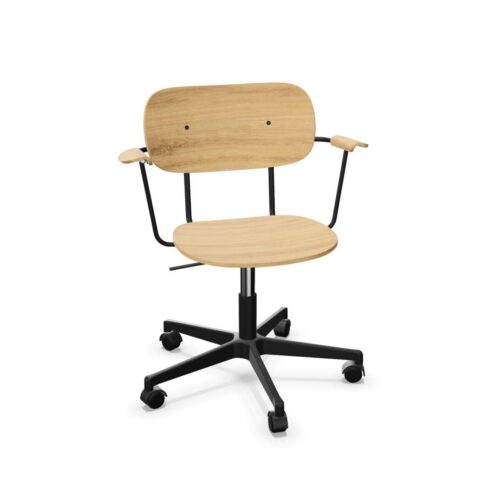
Review the specified seat and back rather than assuming the whole chair uses one construction. A wood-based sitting surface may be combined with a metal frame, and some versions can provide other material options. Keep the exact arrangement clear when comparing related products.
Wooden office chairs should be assessed through the form of those components as well as their material description. A shaped seat and back meet the person differently from another outline. Review the chosen design at its intended table or working position, with a practical trial where possible.
Meeting chairs and shared tables
At a meeting table, the chair needs a suitable relationship with the surface and neighboring positions. Consider how people approach, sit and reach material during a conversation. Include the table supports and any armrests when reviewing the occupied arrangement.
The wood surface can provide one visual connection with the table, but the seating still needs a practical position. Compare the actual chair and table together rather than choosing solely from a common tone or material name. Keep the intended meeting activity central to the layout.
Communal spaces and stools
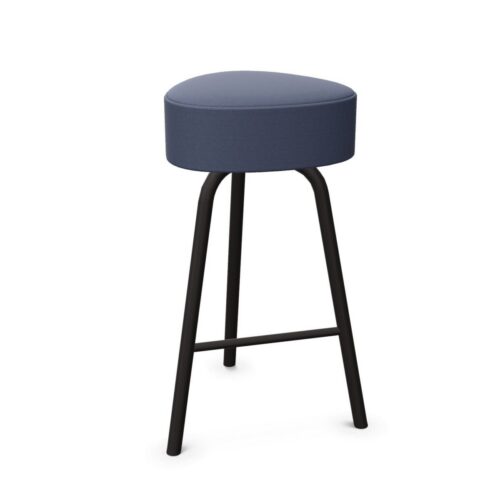
Wooden office chairs and stools can also belong in shared break or conversation areas. Assess the seat height and form with the relevant surface, distinguishing a stool arrangement from conventional table seating. Review any supporting back or foot provision in the selected product information.
Consider the movement around the occupied seats and the space people need to enter or leave. A row of stools and a group of chairs can create different circulation requirements. The furniture should be assessed with its users included rather than only as a series of unoccupied outlines.
Supporting frames and product functions
Look beneath the seat to identify the actual frame and floor-contact components. Four-leg, swivel and other configurations can relate differently to the floor and table. Check how the selected product operates and which fittings are supplied with that version.
When comparing wooden office chairs, confirm any requirement for movement, stacking or another particular function directly. A wood seat or back does not establish those features. Keep the relevant specification and instructions together where handling or storage forms part of the room’s use.
Material construction and visible finish
Review the actual wood specification, including the relevant construction and surface treatment. The material group can contain different approaches, so a visible wood appearance should not be taken as a description of every internal component. Keep the stated details tied to the selected chair.
Compare the finish with nearby furniture and the lighting planned for the space. Grain, color and texture can relate to tabletops, storage and flooring in different ways. Where samples are available, use them to assess the material relationship alongside the finished product form.
Upholstered options and mixed materials
Some related seating designs can combine wood components with a covered area. Identify whether the selected version supplies that upholstery and which surfaces remain exposed. A similar overall outline can represent a different material arrangement within the same chair family.
Review the relevant care information for each material present. A seat surface, frame and optional cover may have different requirements. Keep the finish references clear in the project record so that the selected configuration and its guidance remain connected.
Choose the seat within its intended room
Choose wooden office chairs by combining sitting form, supporting structure and material character. Assess the complete chair with its surface and surrounding furniture, then refine the finish in context. This gives the wood component a clear role within a practical meeting or communal seating arrangement.





Cappellini


Cappellini



Functionals

Functionals
