


Chairs without lumbar support provide an alternative when a separate lower-back support feature is not part of the seating requirement. The choice still needs careful attention to the backrest and seat. An upholstered back, a shaped shell and a straightforward meeting-chair back can each meet the user differently without being described as a dedicated lumbar-support system. Start with the activity and assess the complete chair around it.
A backrest can take different forms
Not having a specified lumbar-support feature does not mean that the backrest has no contour or no contact with the user’s back. Look at the actual shape and construction of the selected chair. Consider where the backrest meets the person and how the seat places them in relation to it.
When comparing chairs without lumbar support, distinguish the absence of a named feature from the experience of the whole chair. A product image can show the outline but not establish how it fits an individual. Sitting in the chair at the intended table or desk provides a more useful basis for comparison, particularly when several backrest forms are being considered.
Meeting and visitor seating
Meeting rooms often call for seating that works around a shared table and accommodates different people. Review the relationship between the chair, tabletop and nearby seats. Backrest height, armrests and the position of the base can affect how users approach the table and how much room the arrangement requires.
Chairs without lumbar support include seating formats relevant to these shared settings. Assess them for the planned meeting activity and likely pattern of use. A visitor chair for an occasional conversation should be considered in its own context rather than assumed to serve the same purpose as a dedicated task chair used at a workstation.
Desk work needs a more individual comparison
If the chair will be used for regular desk work, give the user’s sitting position particular attention. Review how they sit against the backrest, where they place their feet and how they reach the work surface. Any adjustments supplied with the chair should be considered as part of that arrangement.
The absence of a dedicated lumbar feature leaves those other details open. Check whether the backrest moves, whether the seat can be adjusted and how the controls operate on the exact model. Decide whether the resulting setup meets the person’s requirements instead of treating a simple feature description as a complete seating assessment.
Lounge seating has another purpose
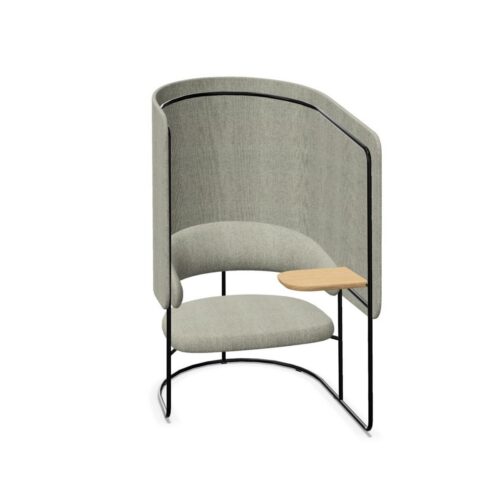
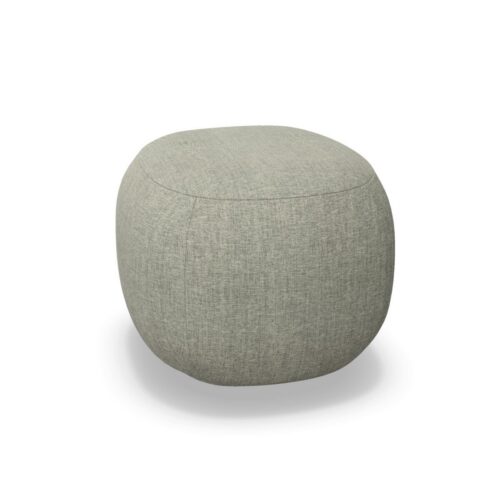
The wider choice of chairs without lumbar support also reaches into lounge and reception seating. These areas can support waiting, informal discussions or short breaks from a desk. Consider the sitting position those activities need and how the chair will relate to a sofa, low table or neighboring seat.
Look at the seat and back together when judging lounge furniture. A deeper, more relaxed arrangement can call for a different table position from an upright meeting chair. Plan access and conversation around the actual pieces, keeping the intended use of the lounge area distinct from the requirements of desk-based work.
Let the room and users guide the choice
For an office scheme, define the main seating situations before choosing a common feature set. Some positions may need more adjustment; others may prioritize a straightforward chair form around a meeting table. Consider whether the seats are assigned, shared or used occasionally, and compare them with the furniture that surrounds each position.
Chairs without lumbar support can be selected on the strength of a suitable overall design for the intended activity. Record the backrest form, seat, armrest arrangement and any adjustments that matter to the brief. This makes the decision specific and helps distinguish between chairs that have a similar outline but operate differently.
Finish the comparison by considering the person in the actual setting. A seating specification is more useful when it explains where the chair will be used and how it fits that role. The absence of a separate lumbar-support feature becomes one understood detail within a much clearer choice of office, meeting or lounge seating.





+Halle


